I am an air pollution meteorologist and have studied the relationship between atmospheric conditions and air pollution for nearly 50 years. My background in air pollution control theory, implementation, and extensive personal experience with peaking power plants and their role during high energy demand days is particularly well-suited to this topic. The opinions expressed in this post do not reflect the position of any of my previous employers or any other organization I have been associated with, these comments are mine alone.
Overview
Environmental non-governmental organizations have latched onto peaking power plants as an example of power company greed and disregard for neighboring communities. For example, the PEAK coalition has stated that “Fossil peaker plants in New York City are perhaps the most egregious energy-related example of what environmental injustice means today.” The influence of this position on current environmental policy has led to this issue finding its way into multiple environmental initiatives. However, I have found that the presumption of egregious harm is based on selective choice of metrics, poor understanding of air quality health impacts, and ignorance of air quality trends. The AEC report takes the claims to ridiculous levels.
The AEC report example is extreme even compared to the Peak coalition accusations. Researcher Jordan Burt, Assistant Researcher Elisabeth Seliga, Researcher Tanya Stasio, PhD, Research Assistant Lila McNamee, and Principal Economist Liz Stanton, PhD, prepared a report that summarizes the negative health impacts of fossil fuel-fired emissions on communities living near the Pittsfield Generating Facility (Figure 1). They claim that the facility exacerbates negative health outcomes of overburdened residents and asserts there are three key takeaways:
First, as long as the Pittsfield Generating Facility is in operation, it has the potential to produce much higher greenhouse gas emissions and co-pollutants in any given year.
Second, Pittsfield’s vulnerable populations live in close proximity to the Facility, putting them at a disproportionate risk for the negative health impacts associated with fossil fuel-fired generation.
Lastly, replacing the Facility with clean energy resources can not only improve the health outcomes for residents, but also aid the Commonwealth in achieving its decarbonization goals.
According to the Massachusetts Department of Environmental Protection (DEP) Final Operating Permit Renewal for the facility:
The Pittsfield Generating Company LP is an electric power generation facility located at 235 Merrill Road in Pittsfield, Massachusetts. The facility largely consists of three (3) General Electric (GE) Frame 6 6001B combustion turbines, known as Emission Units (EU) – 1, 2, and 3, which are each equipped with steam injection and a selective catalytic reduction system for control of nitrogen oxides (NOX) emissions. Each combustion turbine has a maximum heat input rate of 430.25 million British thermal units per hour (“MMBtu/hr”) and is exhausted to an associated Deltak heat recovery steam generator (“HRSG”). The steam generated in the three (3) heat recovery steam generators is combined to supply a single (1) GE steam turbine. Emission Units 1, 2, and 3 burn natural gas or #2 fuel oil and operate in combined-cycle mode with a net total output of nominally 165-megawatts.
A common claim about peaking power plants is that they are old, dirty, and inefficient units, but these units are modern, well-controlled, and efficient generating units. Despite their efficiency, in the last seven years the units have only run less than 10% of the time which qualifies them to be peaking units. By definition, for EPA reporting purposes 40 CFR Part 75 §72.2, a combustion unit is a peaking unit if it has an average annual capacity factor of 10.0 percent or less over the past three years and an annual capacity factor of 20.0 percent or less in each of those three years. Note that because peaking plants run so little the units can be designed for that mode of operation. The specifications for those units are primarily focus on costs. The Pittsfield units include all the pollution control equipment associated with units designed to run as much as possible. They became peaking units because of market conditions that priced them out of the market, so they simply run less. Nonetheless, they serve an important reliability role providing dispatchable power when needed on high energy demand days.
Takeaway 1
AEC claims that the facility has the potential to produce much higher greenhouse gas emissions and co-pollutants in the future. Table 1 lists the annual emissions and operating information for the last 25 years from the EPA Clean Air Markets Division website. That potential may exist but the historical data show that there has been vast operating and emission reductions since 2000. As a result, any alleged impacts from the facility should have improved significantly over time.
Table 1: Pittsfield Generating Company Facility Emissions and Operating Parameters
Takeaway 2
In the second takeaway AEC states that Pittsfield’s vulnerable populations live near the Facility, putting them at a disproportionate risk for the negative health impacts associated with fossil fuel-fired generation. They offer no estimates of the potential health impacts.
Last year I published a detailed critique of a General Accounting Office (GAO) report “Information from Peak Demand Power Plants” that discussed air quality impact evaluation. The fundamental air quality presumption has always been that the National Ambient Air Quality Standards (NAAQS) is the primary metric used to determine health impacts. As an air pollution meteorologist one of my jobs was to run air quality models to determine the air quality impacts of existing and proposed facilities. The essential consideration was whether the modeling proved that the projected impacts from a facility were less than the NAAQS limits. Industry and regulatory agencies believed that when an applicant showed compliance with those standards, they proved that they were protecting the health of “sensitive” populations such as asthmatics, children, and the elderly. Regulatory agencies are required to ensure that any facility that cannot show compliance with the NAAQS must modify its permitted operations, or it cannot be allowed to operate. The Massachusetts DEP only issues air permits if they are confident that the facility attains the NAAQS, so I am sure that Pittsfield Generating meets those standards.
The air quality pollutant of concern is nitrogen oxides or NOx. The DEP set an emission limit of 22.8 lb NOx/hr. I calculated the average hourly emission using the total NOx mass and the operating hours as 10.4 lb NOx/hr. This is well below the emission rate that we know attains the NAAQS. It is beyond the scope of this analysis and my presently available computer capabilities to quantify specific NOx impacts. However, I only recall doing impacts assessment of power plants that used tons per hour not pounds per hour for an emission rate. My point is that a pounds per hour rate is extraordinarily small and my experience suggests that local impacts at those levels would be so low that they would be difficult to measure and if they cannot be measured there is little chance of any health impact.
Takeaway 3
AEC asserts that “replacing the Facility with clean energy resources can not only improve the health outcomes for residents but also aid the Commonwealth in achieving its decarbonization goals.” Environmental justice organizations will read this without understanding the background. In context, the impacts of this facility are well within the NAAQS, probably could not be measured, and the carbon emissions are a negligible fraction of the state total (Table 2). In the last five years the CO2 emissions have been less than or equal to 0.5% of the state total.
Table 2: Pittsfield Emissions Relative to Total Massachusetts Emissions and Operating Characteristics
This table brings up other questions. In New York the coal and oil generation was displaced to natural gas, but the overall Massachusetts generation has dropped significantly while there was a shift away from coal and oil. The Massachusetts CO2 reduction from 2009 to 2023 was 84% while New York only dropped 38%. I do not know why they managed such a substantial decrease.
Pragmatic Concerns
Pragmatic environmentalism is all about tradeoffs. There is no question that disadvantaged communities have suffered and continue to suffer disproportionate environmental impacts, but it is important to understand what causes the harm, balance expectations, and determine potential solutions.
In this instance, it is likely that transportation sources have a bigger impact on air quality for Pittsfield’s vulnerable population. There are just under 44,000 residents in the city, there are 19,566 households, and the average number of cars per household is 2. I assume the estimated 39,132 cars drive two thirds of the Massachusetts average 12,117 miles per year within the city and that means that city mile traveled equals 316,108,296 miles per year. The estimated U.S. average vehicle NOx emission rate per automobile in 2023 was 0.00129 lb. per mile. The result is that in 2023 automobiles emitted 204 tons of NOx. That is more than double the annual emissions from the power plant since 2003 and 57 times higher than the 2024 emissions from the power plant. In addition, auto emissions are close to the ground while the power plant emissions are from elevated stacks so the auto emissions have a greater impact. Clearly, the vilification of the emissions from the power plant is unwarranted.
AEC proposes that the plant be replaced with an “alternative, cleaner energy source like a solar plus storage facility can help reduce community exposure to pollution”. The Title V permit says that emission units 1, 2, and 3 have a “net total output of nominally 165-megawatts.” I estimate that 165MW of solar would cover 973 acres. However, to ensure reliable reinforcement of a gas plant requires more than a one for one replacement. Based on this reference, the solar required would be 660 MW covering 3,894 acres. The storage system may need to be oversized as well, potentially requiring 410 MW of 4-hour storage to replace 100 MW of gas peaker capacity. Replacing perfectly good power plant with solar plus storage prematurely does not seem to be a good investment.
AEC claims that the solar plus storage option would reduce exposure to pollution. However, there are substantive safety concerns with currently available battery energy storage systems. On January 16, 2025 a fire was reported at the Vistra Moss Landing Energy Storage Facility located in Moss Landing, California. The fire burned at a temperature of between 2500 – 5000 degrees Fahrenheit. Since the fire heavy metals have been measured at levels 100 to 1,000 times higher than normal in soil within a mile of the facility. During the fire there was an evacuation zone within 1.5 miles of the facility. In my opinion, the risks of environmental impacts from a battery fire far outweigh the “benefits” of eliminating the minimal emissions of this facility.
Moreover, there is no currently available technology that has been proven at the scale necessary that can replace fossil-fired generation safely, reliably, and affordably. If those characterized are not prioritized, then it could easily result in an electric system that does not maintain current standards. More importantly, problems associated with reliability impact disadvantaged communities most so those concerns must be considered when decisions are made about peaking power plants benefits and potential impacts.
Conclusion
This analysis epitomizes my frustration with pragmatic tradeoffs for peaking power plants. AEC claims that the facility has the potential to produce much higher greenhouse gas emissions and co-pollutants in the future ignoring the fact that emissions have gone down significantly since the plant started operating. AEC also claims that Pittsfield’s vulnerable populations live near the Facility, putting them at a disproportionate risk for the negative health impacts associated with fossil fuel-fired generation. AEC overlooks the fact that facility emissions are so small that adverse health impacts are unlikely from the plant and that transportation emissions are much higher which means adverse air quality impacts are more likely from other sources. AEC’s final takeaway claim is that “replacing the Facility with clean energy resources can not only improve the health outcomes for residents but also aid the Commonwealth in achieving its decarbonization goals.” That is true in theory, but it ignores the fact that there are other emission reduction strategies that are likely to be more effective and pose less risk to the electric system than shutting down a dispatchable generating resource. Fear mongering based on emotion and not facts is not in the best interests of a reliable electric system and this report is the best example of this folly I have seen to date.
Environmental Justice (EJ) advocates like the PEAK coalition argue that “Fossil peaker plants in New York City are perhaps the most egregious energy-related example of what environmental injustice means today.” This post critiques a recent General Accounting Office (GAO) report on “Information from Peak Demand Power Plants” that was prepared in response to a question about pollution from these facilities by some congressional representatives.
This topic is a particular concern of mine because issues associated with peaking power plants have been one of my responsibilities since 2000. Initially, my concerns were associated with developing an emissions tracking system to ensure compliance with air quality requirements for peaking plants. Later I participated in the regulatory process to develop regulations to reduce their emissions but also keep the lights on, keep the costs down, and achieve improved air quality. It took many years but New York State developed a rule that fulfilled those requirements. I doubt that I am the only one who participated in that process who was taken aback when environmental advocacy groups started campaigning against the power plants covered by the regulations put in place to address the peaking power plant pollution.
Further information on peaking power plants is available on a page that documents my concerns based on my extensive experience with air pollution control theory, implementation, and evaluation over my 45+ year career. The opinions expressed in this post do not reflect the position of any of my previous employers or any other organization I have been associated with, these comments are mine alone.
Introduction
The GAO website summary for the report explains why they did the study:
Environmental advocacy groups, and some congressional leaders have expressed concerns that peakers may be less efficient than non-peakers, meaning peakers may expend more energy that is not converted into electricity than other types of plants. Further, due to the nature of their operations, peakers may also negatively affect the air quality in communities around the plants, which may be historically disadvantaged or disproportionately low-income.
GAO was asked to examine pollution from peakers across the nation. This report provides information on the number and location of peakers in the U.S., their proximity to historically disadvantaged or disproportionately low-income communities, to what extent they emit pollutants and how these pollutants affect the health of people exposed, and alternatives for replacing them. To perform this work, GAO analyzed data from EPA, the U.S. Department of Energy, and other sources, reviewed relevant literature, and interviewed federal officials and stakeholders from 19 state, industry, and nongovernmental organizations representing a diversity of perspectives about peakers.
I am unimpressed with this report. It is not clear to me whether the political implications of this topic or the naivete of the authors was the reason for the poor quality. Whatever the reason, the report confirmed the biased concerns of environmental advocacy groups without addressing the fundamental problematic issues associated with peaking power. It is especially galling that the report ignored air quality protections already in place.
Peaking Power Problem
I think the GAO report missed the opportunity to highlight the implications of peak power demand and how it could and should be addressed. An Ozone Transport Commission presentation of issues associated with High Energy Demand Days (HEDD) from 2006 describes the tradeoffs. Air quality and energy planning both prioritize energy demand peaks because the highest electric demand and worst air quality tend to coincide. This is because the meteorological conditions that cause peak loads also exacerbate the air quality impacts of the increased emissions needed to match peak loads. Reliably meeting the peaks results in using the dirtiest and most expensive units. The key energy considerations slide describes the issues.
The GAO report overlooked this aspect of the peaking power plant issue. Instead, when they explained why this issue matters, they only talked about daily peaks. I think that devalues the criticality of the peak issue. The real problem is that peak loads occur when customers need power the most. If it is unavailable, then immediate acute safety and health problems occur. While the daily peak is a problem it is far less impactful than the annual peak load.
GAO Report
The GAO report determined how many peakers are in the country and where they are located. This discussion failed to discuss another impactful nuance. The GAO analysis determined the number of peaking power plants as a function of how much power plants ran in 2021:
For the purpose of our report, we generally define peakers as plants that use fossil fuels, including natural gas, coal, and oil; have a capacity factor (the percent of energy produced over a certain time frame, out of what could have been produced at continuous full power operation) of 15 percent or less; and have a nameplate capacity (the designed full-load sustained output of a facility) of greater than 10 megawatts (MW) of electricity.
This is a similar methodology to that used by Physicians, Scientists, and Engineers (PSE) for Healthy Energy in their report Opportunities for Replacing Peaker Plants with Energy Storage in New York State. There is an unrecognized shortcoming to the approach. The GAO report states that “Peakers are used to supplement other types of power plants, such as baseload plants, which run consistently throughout the day and night, and intermediate plants, which run mostly during the day and less at night”. There is a difference between power plants designed to meet peaking applications and many facilities that now operate as intermediate or peaking units. For example, around 1970 Consolidated Edison of New York needed peaking capacity within New York City that would only run infrequently but also needed to startup quickly. They responded by building a fleet of around 100 simple-cycle natural gas turbines that were the cheapest capacity available. Today many of the units that meet the GAO definition were originally designed as base-load units and cannot start up quickly. I used to work at the Oswego Harbor generating station that had two 850 MW oil-fired units and took over a day to startup. The units have met the capacity factor criteria for peaking units for years, but they were not designed to operate that way.
The GAO report includes a map of plant locations but there is no capability to identify the plants on the map. If you are interested in specific facilities, the EPA Power Plants and Neighboring Communities website presents that information. The GAO summary lists 999 peaking power plants in the following table. The overall capacity factor of these plants is 6%.
The GAO analysis determined how closely peakers are located to historically disadvantaged and low- income communities. This analysis, the Physicians, Scientists, and Engineers, and even the draft New York regulations to address these facilities all use distance between the disadvantaged communities and the power plant as the metric of concern. The GAO claims that “For example, based on our model and main definition of a peaker, a community that is 71 percent historically disadvantaged is expected to be 9 percent closer to the nearest peaker than the average community, which is 40 percent historically disadvantaged.”
I do not think this is an unexpected result, but I also think it is meaningless. The air quality impacts of any facility do not depend entirely upon distance between the source and a receptor location. The stack characteristics (gas temperature, height of the stack, and stack exit dimensions) as week as meteorological conditions (wind direction, wind speed, and atmospheric stability) all affect air quality impacts. The Con Ed turbines had exit ducts that released the pollutants that were less than 100 feet and the location of maximum downwind impact was relatively close. On the other hand, the Oswego plant had 700’ stacks and the location of maximum downwind impact was quite a way from the plant.
The GAO report addressed the impact of emissions and the resulting health impacts: “When operating, peakers emit similar types of pollutants to other power plants that also use fossil fuels, and these pollutants are associated with various negative health effects, according to existing literature.” The impacts section notes:
Compared to non-peakers, peakers emitted more pollutants—such as nitrogen oxides and sulfur dioxide—per unit of electricity generated, but fewer total annual pollutants in 2021, according to our analysis of EPA data (see table 2). In other words, peakers emit less in total because there are fewer peakers and they operate less frequently overall than non-peakers. However, when they do operate, they emit more pollution per unit of electricity produced. For example, the median sulfur dioxide emission rate for natural gas fueled peakers was 1.6 times more per unit of electricity generated than the median emission rate for non-peakers.
This language parrots the talking points of EJ advocates but is much ado about nothing. It is obvious that fewer peakers that run less would have lower emissions than more numerous non-peakers that run more. Advocates harp on the fact that emission rates are higher for peakers than non-peakers. Highlighting the finding that “natural gas fueled peakers was 1.6 times more per unit of electricity generated than the median emission rate for non-peakers” is a naïve point because 0.008 versus 0.005 lb SO2 per MWhr is negligible for air quality impacts. Moreover, I think there is an error in the methodology because the sulfur content in fuel determines the emissions not how it is burned, so there should be no difference in the rates.
Another issue I have with this analysis and other similar analyses is that they don’t recognize that the primary air quality issue with peaking power plants is ozone. These units operate when energy demand is highest in the summer and those periods are typically hazy, hot, and humid. Those conditions are conducive to the highest ozone levels (some of the haze) and there has been immense pressure to reduce their emissions to reduce ozone levels. Ozone is a secondary pollutant produced in a photo-chemical reaction from nitrogen oxides and volatile organic compounds. The conversion to ozone takes time and means that by the time it occurs the emissions from a power plant in a disadvantaged community have moved downwind. For example, the location of highest downwind conditions for emissions from New York City is in Connecticut, far beyond neighboring disadvantaged communities. Moreover the reality is that nitrogen oxides scavenge ozone so that the peaking power plants actually reduce ozone concentrations close to the facility.
I have been involved with air quality issues since I started working in 1976. The fundamental presumption has always been that the National Ambient Air Quality Standards (NAAQS) is the health metric used to determine health impacts. EPA explains:
The Clean Air Act, which was last amended in 1990, requires EPA to set National Ambient Air Quality Standards (40 CFR part 50) for six principal pollutants (“criteria” air pollutants) which can be harmful to public health and the environment. The Clean Air Act identifies two types of national ambient air quality standards. Primary standards provide public health protection, including protecting the health of “sensitive” populations such as asthmatics, children, and the elderly. Secondary standards provide public welfare protection, including protection against decreased visibility and damage to animals, crops, vegetation, and buildings.
As an air pollution meteorologist one of my jobs was to run air quality models to determine the air quality impacts of existing and proposed facilities. The primary consideration was whether the modeling proved that the projected impacts were less than the NAAQS. The basis of my work was that when I showed compliance with those standards, I proved that we were protecting the health of “sensitive” populations such as asthmatics, children, and the elderly. Regulatory agencies are required to ensure that any facility that cannot show compliance with the NAAQS must to modify its permitted operations or it cannot be allowed to operate.
The GAO report does not mention the NAAQS protections. Instead, the analysts follow the lead of EJ activists and claim that there are health effects from peaking power plants. The health effects section states: “Multiple pollutants that are emitted from peakers and other plants are associated with various negative health effects for the people exposed, according to federal agency reports we reviewed”. What they reviewed were the EPA Integrated Science Assessments:
EPA’s Integrated Science Assessments integrate information on criteria pollutant exposures and health effects from controlled human exposure, epidemiologic, and toxicological studies to form conclusions about the causal nature of relationships between exposure and health effects. For more information, see the EPA Preamble for Integrated Science Assessments at Preamble To The Integrated Science Assessments (ISA) | ISA: Integrated Science Assessments | Environmental Assessment | US EPA (accessed 8/30/2023).
The presumption in the report is that any level of pollution is bad: “For instance, short-term exposure to sulfur dioxide—the indicator for sulfur oxides used in EPA’s assessments—can lead to negative respiratory effects, such as decreased lung function, cough, chest tightness, and throat irritation.” The GAO report summarizes health effects from short-term exposures. All this is nice but it ignores the NAAQS process to determine acceptable ambient air quality levels.
The EJ activists pushing the negative impacts of the peaking power plants presume that there are alternatives. The GAO report looked at some available alternatives that could potentially replace fossil-fueled peakers at the same high-level used throughout the analysis. The report claims that “alternatives such as battery storage systems could potentially replace fossil-fueled peakers, according to studies we reviewed and stakeholders we interviewed”. The report lists battery storage, pumped-hydro storage, thermal energy storage, and notes that renewable energy systems (e.g., wind and solar) may be paired with energy storage. It claims that “adding roof-top solar and battery storage to houses could reduce the demand for peakers in adjacent areas.” It includes two other possibilities:
Transmission and distribution infrastructure improvements: Upgrades or expansions to increase the capacity of current infrastructure that transmits and distributes electricity. These upgrades or expansions may help enable existing underutilized plants to meet peak demand.
Efforts to decrease consumers’ use of power during peak times: Efforts to incentivize consumers to reduce or shift electricity use during times of peak use to off-peak times.
To its credit the report does address the “potential challenges of replacing peakers” including cost, reliability, and location. In my opinion, the responses downplayed those challenges.
The report notes that “some alternatives may have higher capital and operating costs compared to current fossil-fueled peakers”:
Replacing peakers, some of which have already paid off their capital costs, will likely lead to additional up-front or operating costs compared to keeping the existing peakers. Further, the U.S. Energy Information Administration (EIA) reported that solar and wind plants had higher average construction costs compared to natural gas-fired plants in 2023.
It is remarkable that this Federal report documented that construction costs of solar and wind are greater than natural gas plants but there is a missing nuance. While I am not an economist, I still question what kind of business model could justify developing a new resource that will operate as a peaking facility running less than 15 percent of the time. Surely the facility will have to charge very high rates when it does operate.
Appropriately the report notes that “current alternatives may not be able to provide the same reliability of current fossil-fueled peakers”:
Similarly, some alternatives may create reliability challenges. For the grid to be reliable, the energy resources in an area need to be able to supply power to meet peak demand for as long as it lasts, according to U.S. Department of Energy (DOE) officials. Some battery storage systems provide up to 4 hours of output, but peak demand may be longer in some areas. In contrast, a fossil-fueled peaker is only limited by fuel availability—a natural gas-fueled peaker could keep operating so long as natural gas is available.
This is an important point universally ignored by the activists that want to shut down peaking power plants now. The other nuance is that the overly broad definition of a peaking power plant covers facilities that provide different services than just peaking support. The 1700 MW at Oswego Harbor are within ten miles of three nuclear units. Nuclear units are required to shutdown when the grid goes down and in the 2003 blackout Oswego Harbor came on line to replace those units until the grid stabilized.
The GAO report also noted that “alternatives may not be able to be installed because of space and location concerns”:
Some alternatives may also run into space constraints or location concerns. For example, a densely populated urban community likely would not have sufficient space for a large renewable energy system paired with battery storage to help meet peak electricity demand.
I agree with this point, but it could have been expanded. Location matters within the grid. The transmission system is designed based on the location of the generating resources. The requirement that energy must be available at the location of the New York City peaking power plants is not acknowledged by the EJ activists, but it is a critical reliability constraint.
Most disappointing to me is that the report does not acknowledge the following challenges to the end of the main report. I believe that at least a hint of the following information should have been right up front:
In general, recognizing these challenges, some officials with whom we spoke identified trends that may lead to the continued use of fossil-fueled peakers. According to DOE officials, some U.S. peakers may not be able to be replaced with existing alternatives within cost, reliability, and location constraints.
Combinations of electricity generation and storage technologies, transmission and distribution improvements, and efforts to decrease consumer’s use of power during peak times may be too costly for consumers in some areas to provide an adequate level of grid reliability. Further, officials at two utilities noted that due to increased use of intermittent renewable resources on the grid (e.g., wind and solar power), the continued use of peakers to meet electricity demand may be necessary to maintain grid reliability. For example, the availability of sunlight for a solar installation may not match with peak demand in the evening when the sun goes down. Therefore, additional supplemental energy resources would be needed to fill the gaps and meet demand.
It gets worse. Buried in the technical appendix the last sentence in the last paragraph before the end notes is the caveat that there is no basis for concern (my highlight):
Limitations. We took several steps to assess the validity and sensitivity of our models, but certain limitations remain. Importantly, our measure of distance does not include other aspects—such as stack height, wind speed, or wind direction— that play important roles in the dispersion of pollutants and potential populations exposure. In addition, although we include some variables to control for factors that could influence the findings, it is possible that other controls might be important and were not accounted for in our model. Inclusion of a state fixed- effect partially addresses this by controlling for factors that vary by state. Still, our findings of associations between distance to peakers and historically disadvantaged racial and ethnic communities does not imply any causal relationships.
NY Peaker Rule
The New York Independent System Operator (NYISO) 2020 Reliability Needs Assessment includes a detailed summary of the New York Department of Environmental Conservation (DEC) “Peaker Rule”: Ozone Season Oxides of Nitrogen (NOx) Emission Limits for Simple Cycle and Regenerative Combustion Turbines. This rule exemplifies how these units should be regulated to reduce emissions while maintaining reliability standards.
After years of discussion DEC issued requirements to reduce emissions of ozone-forming pollutants from
peaking generation units in late 2019. The rule was implemented as part of the state’s attainment planning requirements to achieve the ozone NAAQS. The focus of the rule was on units designed to provide peaking power, the combustion turbines known as “peakers”. NYISO explained that:
That peakers typically operate to maintain bulk power system reliability during the most stressful operating conditions, such as periods of peak electricity demand. In addition, these units are often called upon at any time, seven days a week and 24 hours a day, to be able to respond to contingencies or other near real time changes on the electric system. By being available on call, the peakers provide value to system reliability even when not actually generating power.
Many of these units also maintain transmission security by supplying energy within certain areas of New York City and Long Island — known as load pockets. Load pockets represent transmission-constrained geographic areas where electrical demand can only be served by local generators due to transmission limitations during certain operational conditions.
The Peaker Rule phased in compliance for approximately 3,300 MW of simple-cycle turbines located mainly in the lower Hudson Valley, New York City and Long Island. The owners of the units were required to submit compliance plans to the DEC in March 2020 to either install pollution control equipment or retire the units over a phase in period. The NYISO resource adequacy planning process determined whether unit retirements would adversely affect reliability. The NYISO Reliability Needs Assessment indicated that “approximately 1,800 MW of nameplate capacity (approximately 1,500 MW of net operating capability) are proposed to ultimately be unavailable during the summer to comply with the emissions requirements “.
One of the important features of the rules is a provision to allow an affected generator to continue to operate up to two years, with a possible further two-year extension, after the compliance deadline if the generator is designated by the NYISO or the local transmission owner as needed to resolve a reliability need until a permanent solution is in place. Earlier this year this provision was involved for a couple of facilities.
I think this is the appropriate way to deal with these facilities. Keep in mind that if these facilities had been shown to contribute directly to a local non-attainment issue modifications to their permits would have been required in a different process.
Lastly, in my opinion, this rule and the New York City peaking power plant replacement issue is an artifact of New York electric system deregulation. Prior to deregulation, when DEC identified the problem the utilities owning the peakers would have proposed either installing control equipment or replacing the units themselves with modern clean and more efficient turbines. The Department of Public Service would have reviewed the proposal with the DEC and eventually an approved rate case would include the proposed solution. In the de-regulated market the owners of the facilities considered those options and in at least a couple of cases developed permits to install replacements. However, market considerations led to the decision by the owners to go ahead with the replacements. Without de-regulation there is no question in my mind that all of the old peaking turbines would have been replaced before 2010. Unfortunately, it also appears that the EJ activists would still have made this an issue.
Discussion
The GAO was asked to respond to a question about pollution from peaking power plants by some congressional representatives. The response is a disappointment. The report summary found that:
Historically disadvantaged racial or ethnic communities tend to be closer to peakers.
Fossil-fueled peakers are primarily fueled by natural gas and emit air pollutants associated with various negative health effects, including on respiratory, cardiovascular, and nervous systems.
Alternatives are available that could potentially replace or provide similar services as peakers, but we identified challenges for their use related to costs, reliability, space, and location.
I do not dispute that disadvantaged racial or ethnic communities tend to be closer to peakers but the fact the “findings of associations between distance to peakers and historically disadvantaged racial and ethnic communities does not imply any causal relationships” indicates that the basis for the concerns is weak. If the GAO report had evaluated the status of the communities of concern relative to the NAAQS or at least mentioned that there are standards designed to protect those communities, it would have been obvious that this is a non-problem conjured up by activists.
The second finding is another lost opportunity to inject reality into the conversation. Obviously, fossil-fueled peakers emit air pollutants and they can be “associated with various negative health effects, including on respiratory, cardiovascular, and nervous systems.” The complete disregard of the NAAQS protections in place unnecessarily scares the residents in the communities of concern. In addition, regarding emissions in isolation, focusing only on the negatives and disregarding any benefits creates an unnecessarily pessimistic outlook, hinders growth, and could lead to unintended consequences.
The final summary point begrudgingly admits that there are “costs, reliability, space, and location challenges” for replacements to peaking power plants. The GAO report should have emphasized these challenges in my opinion. The reality is that in order to deal with peaking power plants and the net-zero ambitions we do not have the generating or transmission technologies needed.
Conclusion
The GAO report fails to adequately address the challenges ignored by the congressional representatives who asked for the report and the EJ activists who have conjured this up as an issue. In doing so they did a real disservice to society. The reality is that we need peaking units and the public is protected from direct harm from these units by the NAAQS.
It is troubling that the report does explain why the concerns are unwarranted, but the presentation hides them. It is only possible through a complete reading of the entire report to discover contrary evidence eviscerating this as an issue.
The bigger picture problem is the potential threat that political and activist pressure will force premature retirement of peaking power plants with a marked increase in potential reliability risks. A blackout will have real ramifications as opposed to the over-hyped risks claimed. I believe that if this report had emphasized the issues instead of burying them that the possibility of a rash premature retirement initiative would have been much reduced.
I think this marvelous Robert Parham essay deserves wide distribution. It addresses the mis-placed pessimism of students in colleges today. Parham is an assistant professor at the University of Virginia’s McIntire School of Commerce. Witnessing firsthand the growing distress among college students, Parham originally published his essay “To the Class of 2024: You Are All Diseased,” in The Free Press. This post addresses the parallels between his college concerns and the environmental movement.
The opinions expressed in this post do not reflect the position of any of my previous employers or any other organization I have been associated with, these comments are mine alone.
To the Class of 2024
I recommend reading the essay but will summarize it here. The introduction states:
If you are graduating from college this year, I suspect you’re not too familiar with George Carlin. So before you become inflamed about the (intentionally) harsh title, let me tell you I plagiarized it from Carlin, who was one of the best American comedians of the last 100 years. His show You Are All Diseased is available on YouTube, and it is so good that I was willing to start by alienating you a bit just to plug it here. You’re welcome. It is especially recommended if you’re in any kind of altered state of mind.
Speaking of states of mind: I’m worried about yours.
Rates of anxiety, depression, and suicide among people your age in the U.S. are skyrocketing. I myself lost a student to suicide a few years ago—an experience I wish on no one. I’m here to tell you that I think it’s partly our (your professors’) fault. We, along with others, have been feeding you a distorted view of the world and your place in it, and I think this has caused a considerable part of the existential angst you all feel.
But I’m not just aiming to point fingers.
I want to lay a vision of the present and future, which I genuinely believe and yet know many of you don’t share. After all, exposing you to unfashionable ideas is a core part of a healthy education. My deeper hope in doing so is to start a conversation on changing this sad state of affairs and to get you on your way to a happy and healthy life. Isn’t that what commencements are all about?
The thrust of the article is that today’s college students are deeply pessimistic about the future despite, as he argues, the fact that human beings have never had it so good.
Based on every objective measure of well-being—safety, health, wealth—if you are a college student in America today you are better off and wealthier than the king of England was 300 years ago. You have better access to education, entertainment, leisure, and healthcare. You have cleaner water and more abundant food. You have a significantly safer and longer life. And you have access to all of the world’s knowledge, including this piece, in the palm of your hand.
Then he states: “Which then raises the question: Why? Why is it that “everything is amazing and nobody is happy”? He explains that the reason why we don’t think of ourselves as better off than the King of England:
We economists call this phenomenon “relative wealth concerns” or “keeping up with the Joneses.” These are just fancy terms to describe a simple psychological fact: we are constantly busy comparing ourselves to our peer group, and feel bad when we fall short in that comparison.
He goes on to describe our peer group:
“Peer group” is an essential term in the previous sentence. No one cares that they’re enormously better off than their grandparents; they just care that they’re worse off than Jeff Bezos or Elon Musk. You don’t feel wealthy, despite the fact the median human lives on the equivalent of $5,000 per year. Yes, you read that right. Imagine if you lived in the U.S., but only spent $5K a year at current U.S. prices, and you’ve imagined the life of the median human today. Your “peer group” isn’t humanity; it’s social media influencers and billionaires, and you are deeply unsatisfied when comparing your lives to theirs.
You live in the wealthiest country in the history of the world, yet you feel economic anxiety. The late Charlie Munger summarized it succinctly: “The world is not driven by greed. It’s driven by envy.” And in this era of instantaneous communication networks and social media, envy has been put into hyperdrive.
Professor Parham is not a fan of the emphasis on equity or fairness. He argues that envy is no longer a deadly sin, it has become the fairness virtue. He points out fairness issues for American college graduates relative to the rest of the world:
The world is unfair. Deeply so. It’s just that you’re the lucky ones. You won the birth lottery.
In a truly fair world, any dollar you make or spend above $5,000 a year would instead be given to someone else. Maybe a poor Kenyan, or Bangladeshi, or Indian. But that’s not the kind of fairness and equity anyone talking about “fairness” and “equity” around you seeks.
You’ve been lied to. You’ve been told, by the media, social networks, and not least your professors, that this fantastic world we live in is evil. Not only that, you’ve been told it’s your fault. You’re too racist, too greedy, too white, too privileged, not sufficiently attuned to the plight of the marginalized. It is not enough to be non-racist, they say, you must be anti-racist. Anything less than that, and you’re complicit in evil. Some of you are better by default due to some accidents of birth; some of you are worse. Small wonder you feel suffocated, anxious, and depressed.
Any human, weighed down with this responsibility and guilt, would be just as down. The cognitive dissonance of being told colonialism is evil, American slavery is uniquely evil, that wealth and the markets that enable it are evil, while going to school at a top-tier U.S. institution built on “Monocan land” using slave labor would incapacitate anyone.
He includes an informative description of the concept of money and how that creates a transaction where both parties become better off because of it. As society has evolved away from one-on-one transactions between people, now the transactions are between people and corporations. People earn money and can purchase what they need and want. He explains that when that happens: “We’re better off, the company we bought things from is better off, its employees and suppliers are better off, and so are their employees and suppliers. But in colleges today capitalism is frequently described as evil:
Without fail, at the end of the class a few students tell me that the content of the course was diametrically opposed to what they had been taught so far. Prior, they had class discussions about the exploitative nature of the market system and its inherent unfairness; the evil and greed of corporations; and the fight of exploited workers against oppressive capitalists.
In response he states:
I point out to them that these paradigms imply a zero-sum world in which wealth can only be created by taking it from others, whereas they live in the positive-sum world of markets, in which wealth is created by exchange. Markets have deposited a magic wand in their hands, which allows them to freeze moments in time, observe what is currently happening in foreign lands, and conjure loved ones for a face-to-face conversation out of thin air. Kings would have given half their kingdom for such a wand, but now anyone can have it for the low, low price of $69.99 per month. Or about five hours of student work. This is how we got wealthy.
He goes on to say:
My students arrive at my class steeped in zero-sum ideas, in which one person’s gain must be another person’s loss, and the only way to get a thing is by “oppressing” it from someone else. Then, they are shocked to hear heretical ideas about a world in which wealth is created, not stolen, and human interactions can be win-win and make all of us immensely well-off. The dissonance is severe, and they’re unsure how to deal with all the shame and guilt accumulated by years of accused “oppression.”
I hence want to close by telling you, the class of 2024: it’s not your fault. You are not evil. Being white / black / privileged / downtrodden / well-educated / illiterate / wealthy / poor / healthy / sickly / cisgendered / non-conforming does not make you bad (or good, for that matter). The sins of your forefathers are not your own. You did nothing wrong by being born. Yes, aiming to improve the state of human affairs is noble, but choosing instead to study, play games, and make out with the cute person you have your eye on does not make you bad. It makes you a normal, healthy human being. And no one seems to bother to tell you that. So there, I said it. You are not subject to the “original sin.” Go forth and have a happy and healthy life. There is still (much) room for progress, but things are currently better than they’ve ever been, and improving fast.
Or as Carlin put it, in his direct way: “Life gets really simple once you cut out all the bullshit they teach you in school.”
Environmental justice Parallels
I believe the environmental parallel is related to the “zero-sum idea”. The common perception is that emissions from a power plant or a factory are exploitive and come at the expense of harm to others, especially environmental justice communities. The concept that, within limits, emissions have positive-sum benefits is ignored.
No where is this dissonance more pronounced than the environmental justice movement. The EPA defines environmental justice:
“Environmental justice” means the just treatment and meaningful involvement of all people, regardless of income, race, color, national origin, Tribal affiliation, or disability, in agency decision-making and other Federal activities that affect human health and the environment so that people:
are fully protected from disproportionate and adverse human health and environmental effects (including risks) and hazards, including those related to climate change, the cumulative impacts of environmental and other burdens, and the legacy of racism or other structural or systemic barriers; and
have equitable access to a healthy, sustainable, and resilient environment in which to live, play, work, learn, grow, worship, and engage in cultural and subsistence practices
The difference between zero-sum and positive-sum environmental approach is in the definition of “disproportionate and adverse human health and environmental effects”. The environmental justice position I hear most often is a demand for no health and environmental effects.
In that regard I think my career is an instructive positive-sum example. When I completed my master’s degree in 1976 the United States Environmental Protection Agency (EPA) was only six years old and corporate America was just coming to grips with environmental management. I worked for five years for three different consulting companies that did contract work for EPA. In 1981 I started to work for Niagara Mohawk Power Corporation a vertically integrated electric utility. The environmental progress since I started working in the New York electric generating business has been astounding but is ignored by environmental justice activists.
One of my responsibilities at Niagara Mohawk was to prepare and submit emissions data to regulatory agencies. I recently found annual emissions data back to 1984. One of our facilities was the coal-fired Dunkirk Generating Station in Western NY. The facility had two 100 MW units and two newer 200 MW units. In 1984 the facility emitted 54,709 tons of SO2 at a rate of 3.26 lb per mmBtu and 10.020 tons of NOx at a rate of 0.598 lb per mmBtu. Over my time supporting the station, they installed controls for SO2, NOx, particulates, and mercury. In my last year with responsibilities for reporting at the station (2010) the facility emitted 7,380 tons of SO2 at a rate of 0.505 lb per mmBtu and 2,342 tons of NOx at a rate of 0.160 lb per mmBtu. Since then, the facility has been shut down. In 2023, the total electric generating sector emissions in the entire state of New York were 645 tons of SO2 at a rate of 0.003 lb per mmBtu and 7,488 tons of NOx at a rate of 0.030 lb per mmBtu. That is astounding progress.
Despite this tremendous reduction, environmental justice activists carry on about the egregious harm caused by power plants and claim numerous health effects from existing sources. However, if their health effect claims were true then there should be enormous observable improvements from the improvements made since 1984. I have not seen any such analysis. The other counter narrative is that the reason for the improvement is that natural gas became the cheapest fuel source and that occurred because of the fracking revolution that the environmental justice activists love to hate.
Discussion
My takeaway from Parham’s speech is that things are much better than portrayed by many academics. “There is still (much) room for progress, but things are currently better than they’ve ever been, and improving fast.” That sentence sums up the status of the environment in the US. There are environmental issues that still need to be addressed. However, the health of the environment has never been better in this country. There has been tremendous improvement over the last 40 years.
My concern is that as is the case with the academic focus on pessimism there are those who ignore environmental improvements and focus on current much smaller environmental risks all the while ignoring the benefits of a reliable electric system. The New York City peaking power plant issue is a prime example. Even though direct emissions from those plants comply with all existing environmental regulations, activists claim that they are the “most egregious energy-related example of what environmental injustice means today.” The activists paid a consultant to give them that answer and have been promoting the issue ever since. However, the presumption of egregious harm is based on selective choice of metrics, poor understanding of air quality health impacts, and ignorance of air quality trends. In fact, analyses for the New York Cap-and-Investhave shown that was that the inhalable particulate emissions claimed as a particular problem are primarily from other sources.
Nonetheless, environmental justice activists are demanding that those facilities shut down. This is a problem because we do not have a zero-emissions technology that can replace them and maintain the same levels of reliability. If they are shut down too soon then blackouts are inevitable that will cause real impacts rather than the conjured impacts used to argue for the shutdowns. Their efforts would be better served by promoting inhalable particulate emission reductions from diesel trucks. Environmental justice advocates are arguing that would be appropriate but imagine that a zero-emissions solution is necessary. There could be a tremendous improvement using existing technology that only needs development of infrastructure but compressed natural gas has emissions and the natural gas used would be fracked so this practical solution is ignored.
Conclusion
Parham’s essay stands on its own as a great message for today. The difference between a zero-sum society in which wealth can only be created by taking it from others, and a positive-sum society in which wealth is created by exchange is being improperly ignored. Worse academics are promoting the zero-sum concept to the detriment of their students.
In my opinion, I think there are zero-sum versus positive-sum environmental parallels. The United States has developed a comprehensive set of environmental standards and there have been unquestioned overall environmental quality improvements over the last several decades. The sum of benefits and costs are positive. Regarding emissions in isolation, focusing only on the negatives and disregarding any benefits is an approach like the zero-sum concept of wealth. It creates an unnecessarily pessimistic outlook, hinders growth, and could lead to unintended consequences.
On February 6, 2024 the PEAK Coalition sponsored a webinar entitled “Replacing NYC’s Peaker Plants With Clean Alternatives: Progress, Barriers, and Pathways Forward” that follows up on their recent report: Accelerate Now! The Fossil Fuel End Game 2.0. There are disconnects between the findings of that report and the first webinar of this year’s New York Cap-and-Invest (NYCI) Program stakeholder engagement process: The Role of Cap-and-Invest (slides and webinar video) and the material presented at the Department of Public Service Proceeding 15-E-0302 technical conference held on December 11 and 12, 2023 entitled Zero Emissions by 2040.
I did not intend to write so much about this topic but Pragmatic Environmentalist the Baloney Asymmetry Principle came into play. Alberto Brandolini has explained that: “The amount of energy necessary to refute BS is an order of magnitude bigger than to produce it.” My apologies for the length.
I have followed the Climate Leadership & Community Protection Act (Climate Act) since it was first proposed, submitted comments on the Climate Act implementation plan, and have written over 380 articles about New York’s net-zero transition. The opinions expressed in this post do not reflect the position of any of my previous employers or any other organization I have been associated with, these comments are mine alone.
Overview
The PEAK coalition has stated that “Fossil peaker plants in New York City are perhaps the most egregious energy-related example of what environmental injustice means today.” The influence of this position on current New York State environmental policy has led to this issue finding its way into multiple environmental initiatives. I have prepared a summary of this issue for this blog that explains why the presumption of egregious harm is based on selective choice of metrics, poor understanding of air quality health impacts, and ignorance of air quality trends. The page documents my concerns based on my extensive experience with air pollution control theory, implementation, and evaluation over my 45+ year career as an air pollution meteorologist. Before I discuss their latest report and the webinar I provide some background information from the Role of Cap-and-Invest webinar and the Zero Emissions by 2040 technical conference.
Relevant “Role of Cap-and-Invest” Webinar Findings
I explained in my post on this webinar that the “Current Emissions” section of the webinar set the stage for the webinars that covered emissions and costs. One of the primary points made was that inhalable particulate (PM2.5) emissions are primarily from non-peaking power plant sources. The following slide shows that “Individually controlled (permitted) stationary sources, including electric generation units, large industrial sources, and large commercial and institutional sources represented approximately 4% of the total.”
The next slide in the webinar described the sources that create inhalable air pollution burdens in New York. It points out that:
Individually controlled (permitted) stationary sources yield a minority of the air pollution emissions in New York.
In 2020, electric generation units represented 8.5% of non-wood fuel combustion PM25 emissions in NY, and other permitted sources represented approximately 3.5%.
Area and mobile sources dominate, which means that individual stationary source-focused policy is important but doesn’t address the bulk of sources.
The webinar slides also explicitly address power plant emissions in New York. The next slide addressed electricity sector emissions. It states that:
Existing policies will go a long way to addressing sources of emissions in the electric sector.
RGGI, the Clean Energy Standard, and other programs will substantially reduce the use of fossil fuels for our electricity needs.
The Peaker Rule will ultimately retire the most polluting plants in New York. 35 peaking units representing 955 MW have already retired and an additional 265 MW are expected to retire in 2025.
NYCI cannot be designed to compel the closure of individual generators, and pricing may not reduce the use of peaking facilities.
Relevant Zero Emissions by 2040 Technical Conference Findings
Unfortunately, the Public Service Commission has not announced availability of a recording of the Zero Emissions by 2040. technical conference held on December 11 and 12, 2023 so details are still not available. I published a summary of the presentation given by Zachary Smith from the New York Independent System Operator (NYISO) describing a new category of generating resources called Dispatchable Emissions-Free Resources (DEFR) that are needed to keep the lights on during periods of extended low wind and solar resource availability. It is important to note that the meteorological conditions that cause the low wind and solar resource availability also are the same that cause the highest load peaks. As a result, DEFR will eventually be needed to replace peaking power plants.
I think the ultimate problem for reliability in an electric system that depends on wind and solar is illustrated in the following slide from Smith’s presentation. It highlights a 7-day wind lull when the average wind capacity is 25%. The sum of the grey area under the load curve during that period is the amount of energy (MWh) that must be provided by DEFR sources based on an analysis of historical weather data. Note that the load curve peaks during the low wind and solar resource availability drought. If there are insufficient resources during a wind lull, then electric load cannot be met, and a blackout will occur.
Zachary Smith included a slide (shown below) that describes the generating resource expected for the Climate Act to make the point that a large amount of new generating resources needs to be developed. Note that in both scenarios the amount of DEFR required (purple column) is on the order of the current existing fossil capacity (orange column).
New York City has the densest concentration of urban power plants in the US, impacting the health of 750,000 New Yorkers and increasing the cost of electricity for all utility customers.
The PEAK Coalition — UPROSE, THE POINT CDC, New York City Environmental Justice Alliance (NYC-EJA), New York Lawyers for the Public Interest (NYLPI), and Clean Energy Group (CEG) —aims to end long-standing pollution from fossil fuel peaker power plants and the negative effects on New York City’s most climate-vulnerable people.
In a new report, the PEAK Coalition documents progress made since the coalition was founded and examines the steps taken by state, city, utility, and energy industry stakeholders to hasten or delay the shift from polluting power plants to clean, zero-emissions alternatives. The report, “Accelerate Now! The Fossil Fuel End Game 2.0“, details evidence of encouraging progress, with 700 MW of the city’s peaking capacity fully retired and announced plans for the retirement of an additional 3,300 MW before 2040, representing nearly two-thirds of the city’s fossil peaking capacity. However, the transition has not progressed at the pace needed to protect the health of environmental justice communities and meet the state’s climate goals. More than 75 percent of the city’s dirty and inefficient fossil peaker capacity may remain online and operating beyond 2025, when stricter peaker plant emissions limits are intended to take full effect. In this webinar, hosted by CEG for the PEAK Coalition, report authors will discuss the negative impacts these power plants are having on surrounding communities, highlight progress and barriers impeding the speed of the transition, and recommend pathways forward to accelerate the transition from peaker plants to clean alternatives.
Below I describe some of the points that the author saw fit to highlight and compare this work to the NYCI webinar and DEFR conference.
Disclaimer
This document is a perfect example of grey literature. Grey (or gray) literature is defined by the Cochrane Handbook for Systematic Reviews of Interventions as “…literature that is not formally published in sources such as books or journal articles.” “This can include information such as government reports, conference proceedings, graduate dissertations, unpublished clinical trials, and much more.“ The key point with respect to grey literature is that anyone using must independently check the analysis. If the data, methodology, and results are not transparently available, then the results should be questioned.
It is troubling to me that references to previous reports from the Peak Coalition have not recognized that the work did not fully disclose the data, methodology, and results, was not peer-reviewed, or disclose that it was not endorsed by the Department of Environmental Conservation (DEC). In that regard it is interesting that a new disclaimer section is included in this report that states:
This document is for informational purposes only. The authors make no warranties, expressed or implied, and assumes no legal liability or responsibility for the accuracy, completeness, or usefulness of any information provided within this document. The views and opinions expressed herein do not necessarily state or reflect those of funders or any of the organizations and individuals that have offered comments as this document was being drafted. The authors alone are responsible for the contents of this report. Before acting on any information, you should consider the appropriateness of the information to your specific situation. The information contained within is subject to change. It is intended to serve as guidance and should not be used as a substitute for a thorough analysis of facts and the law. The document is not intended to provide legal or technical advice.
It would be interesting to know why this was added because it clearly expresses my concerns with its contents.
Highlights of the DocumentFossil Fuel End Game 2.0
Most of the technical aspects of this document I have already addressed in previous posts. The PEAK Coalition report entitled: “Dirty Energy, Big Money” describes the original analysis designed to vilify all New York City peaking power plants. I described that work in three posts. I published a post that provided information on the primary air quality problem associated with these facilities, the organizations behind the report, the State’s response to date, the underlying issue of environmental justice and addressed the motivation for the analysis. The second post addressed the rationale and feasibility of the proposed plan to replace these peaking facilities with “renewable and clean energy alternatives” relative to environmental effects, affordability, and reliability. Finally, I discussed the Physicians, Scientists, and Engineers (PSE) for Healthy Energy report Opportunities for Replacing Peaker Plants with Energy Storage in New York State that provided technical information used by the PEAK Coalition.
For this article I am going to respond to some of the highlighted sections in the report. For example, one of the big issues in the Dirty Energy, Big Money report is highlighted:
Analysis of capacity payments found that an estimated $4.5 billion in ratepayer dollars flowed to the owners of the city’s fleet of peaker plants over a decade. These exorbitant payments to peaker plant owners make electricity from New York City’s fossil fuel peaker power plants some of the most expensive power in the country.
This is a good example of poor understanding of the role of peaking power plants by the PEAK Coalition. These facilities operate for a small percentage of the time (typically less than 5%) but fulfill a critical reliability support function. They only run during peak load periods when insufficient generation resource adequacy could lead to a blackout. The power market pays the highest prices during peak load periods in part because these facilities must get support for all their annual operating costs during the limited periods. The Coalition does not acknowledge the tradeoff that without the peaking units, there will be blackouts.
The Peak Coalition narrative relies on emotion. There is a specially highlighted section entitled: “Peakers and a Legacy of Community Harm: A Story from the Bronx” written by Victor Davila, Community Organizer, THE POINT CDC; He writes:
The people of the South Bronx share a universal trauma. Whatever the particulars of their life circumstances, every child growing up in the South Bronx is acutely aware that the city does not care about them. The moment they step outdoors, it is clear that their neighborhoods are unimportant to the city. The infrastructure reflects historical scorn for their existence. The Bronx burned for a decade in the 1970s and 1980s, and city officials stood by and watched. Landlords set fire to buildings for insurance, and in reaction, local legislators slashed fire department funding to the Bronx in the hopes of driving residents out.
But thanks to the strength of community members, the spirit of the Bronx was able to resist the decade of fire; however, since then its infrastructure has continued to slowly choke the health of its residents.
There is no question that there has been disproportionate harm to disadvantaged communities (DACs), but the emotional implication of this text is that it has been the result of a deliberate action by outsiders. Never mentioned in the Peak Coalition reports is that there have been marked improvements in air quality and that most DACs are in compliance with most National Ambient Air Quality Standards. Instead, the report highlights asthma effects: “In the Hunts Point neighborhood of the Bronx, one in every three children and one in every four adults suffer from asthma.”
The number of confounding variables associated with asthma is very large including things like smoking and indoor air quality. One inconsistency never reconciled by the Peak Coalition is why asthma rates are increasing at the same time air quality is improving.
Another highlighted section notes that: “In 2022, 7 percent of the electricity produced in upstate New York came from oil and fracked gas, whereas more than 95 percent of electricity produced in and around New York City came from oil and gas plants.”
This is another example of a poor understanding of the electric system and tradeoffs associated with the peaking units. Upstate load is near the hydro projects on the Niagara and St Lawrence Rivers and four nuclear power plants so oil and gas is not needed as much as in the City where these same groups cheered on the closure of 2,000 MW of zero-emissions nuclear power. In addition, there are specific reliability rules for in-city generation limit the amount that can be transmitted into the City. The rules were added because insufficient in-city generation caused the 1977 blackout. Lightning strikes abruptly reduced the amount of generation transmitted into the city and the in-city power plants were unable to ramp up load in time to prevent the blackout. The quick start capability of many of the peaking units is a service that must be replaced before all units can retire.
Progress to Date Chapter
The Peak Coalition admits that the New York State Department of Environmental Conservation (DEC) has recently adopted the so called “Peaker Rule” that sets more stringent ozone season NOx emissions limits for simple cycle and regenerative combustion turbines that will eventually phase out old, inefficient, and relatively dirty units. A highlight points out that: “Replacing and retiring these older fossil units could reduce 1,849 tons of NOx emissions on some of the highest ozone days of the year, with its biggest impact felt in nearby communities.”
A point of clarification is that the tonnage refers to the annual total emissions not daily totals. It is also important to note that the emission limits include specific reliability provisions that affect implantation timing. The units can only be retired if the New York Independent System Operator (NYISO) signs off that they will not be needed for resource adequacy.
A prominent argument in this report is summarized in this highlight: “Despite the Peaker Rule taking full effect, New York City may still have more than 75 percent (4,591 MW) of its fossil peaking capacity online and operating in 2025.” The tradeoff between keeping these units online and operating and their contribution to keeping the lights on is not emphasized.
Generating Company Plans
From what I can see, the advocates representing the Peak Coalition will be satisfied with nothing less than zero-emissions. The report addresses each company that has power plants in New York City and includes the following quotes from the highlights in each section:
“We remain steadfast in our fight for an emissions-free future for Asthma Alley residents and all New Yorkers in line with New York’s climate goals.” – Daniel Chu
“Can NYC become the first city in the nation to have all its peaker plants replaced? We believe we can—especially if we follow the visionary direction established by the New York State Climate Leadership and Community Protection Act.” – Eddie Bautista
I think there is a disconnect between what the Peak Coalition thinks this represents and the electric market itself. The report sums up Eastern Generation plans as follows:
In June 2022, the PSC approved Eastern Generation’s permit to build a 135-MW energy storage system at the Astoria Generating Station facility. In a statement about the approval, Eastern Generation again noted that the company is planning to submit applications for additional storage projects at Gowanus and Narrows, totaling 350 MW of energy storage capacity across the two sites. Eastern Generation has submitted a deactivation notice to NYISO for the 16-MW peaker at the company’s Astoria facility; however, the Peaker Rule does not apply to the three 60-year-old steam turbines at the site. It is unclear whether the development of battery storage at the site will result in the retirement of these peaking units, which have a combined capacity of 943 MW.
Under the existing market dynamic, Eastern Generation is proposing to redevelop its assets at the Gowanus, Narrows and Astoria Generating Station locations. In a de-regulated market developers like Eastern Generation make development decisions based on the market situation which currently favors energy storage assets. Importantly, they have no responsibilities for system reliability. On the other hand, the NYISO must ensure that sufficient resources are available.
There is an important technical qualifier for this discussion that needs to be clarified. All of the numbers provided in the quoted section refer to the instantaneous electric power available from the facilities or the capacity as rated in MW. Consumers pay for energy used per month in kWh. The NYISO resource adequacy planning is also primarily concerned with electric energy in MWh which is 1000 kWh. The existing capacity at the Eastern Generation facilities totals 1,915 MW of nameplate capacity and they can run 24 hours a day during extreme load conditions so can produce 45,960 MWh of energy. The proposed energy storage capacity is just 350 MW and current energy storage lasts only four hours, so the total energy production is a paltry 1,400 MWh or 32 times less potential available energy than the existing facility. The lower energy availability is not Eastern Generation’s problem but is the crux of the NYIOSO resource adequacy concerns for New York City.
I don’t think the Peak Coalition understands the implications of the difference between capacity and energy. The report states:
“These findings support previous reports put out by PEAK—that battery storage could replace
the operations of each individual NYPA peaker power plant in NYC, coupled with clean renewable energy sources on the grid, by 2030”. – Eddie Bautista
Next, I will review the report’s section on transition challenges that provides the support for this statement.
Challenges Impeding the Transition
Supporters of the Climate Act maintain that the net-zero transition is only a matter of will. The introduction for this chapter notes that “market barriers, regulatory obstacles, and other challenges have slowed progress and threaten the state’s ability to meet its climate mandates.” There is no indication that the challenge identified previously, or the issues raised at the Public Service Commission technical conference have been considered in the analysis.
The report correctly notes that as sectors reduce their GHG emissions by electrification the inevitable result is increasing demand. The report downplays the effect.
However, increased electrification also represents an opportunity to shift and shape demand in new ways. The timing of EV charging is often flexible, with most vehicles just sitting around most of the time. This creates an opportunity to shift charging to times when demand is lower and renewable generation is plentiful. Many high-power building loads, such as heating and cooling, can also be automatically adjusted to shift the majority of electricity demand to non-peak times while maintaining comfortable temperatures for occupants.
In my opinion, the biggest problem with all the net-zero technology solutions proposed including these, is that they don’t work all the time. EV charging is “often” flexible, but during the coldest periods charging does not work as well so EV owners are going to want to charge when electric heating demand is highest. The opportunity to shift charging to times when “renewable generation is plentiful” ignores the intermittency problems with renewables in general and the worst-case high load and low availability conundrum. Shifting heating and cooling loads to non-peak times presumes that consumers will lose control of their ability to choose their comfort levels. Details matter for these claims!
The report argues that virtual power plants are a potential solution. A highlighted section notes:
Unlike nearby states that have implemented statewide customer battery storage programs to meet peak demand, New York has yet to realize the important role that virtual power plants can play in reducing reliance on fossil peaker plants.
The implication that New York is not considering this option is incorrect. I am very pessimistic about the technology but I could be convinced otherwise if the Department of Public Service Proceeding 15-E-0302 that is addressing the technology determines that it is feasible. Until then claiming that this technology is a suitable replacement for existing peaking power plants is premature.
The report addresses reliability with another highlighted section:
“UPROSE, alongside the PEAK Coalition, is deeply concerned by the NYISO Reliability Report. Emergency rooms get full, and the work and school day is interrupted because of the health impacts our communities have suffered from peaker plant pollution for too long. The 2025 energy reliability gap highlights the urgent need for a swift transition to clean, equitable energy solutions like renewable generation and storage. We urge the state to act decisively in accelerating this transition and ensuring environmental justice for the most vulnerable.” – Elizabeth Yeampierre
There are two problems with this characterization. The first is the mistaken idea that no new technology is needed for the net-zero transition. The Climate Act Integration Analysis, the NYISO resource adequacy evaluations, and the Department of Public Service Proceeding 15-E-0302 all argue otherwise because they point to the need for new DEFR.
The other problem with this is the emotional argument that peaker plant pollution is the root cause of the alleged health effects. The “Role of Cap-and-Invest” webinar confronted this misconception and dismissed the claim. The analysis found that “Individually controlled (permitted) stationary sources, including electric generation units, large industrial sources, and large commercial and institutional sources represented approximately 4% of the total”; for inhalable air pollution burdens in New York “Area and mobile sources dominate, which means that individual stationary source-focused policy is important but doesn’t address the bulk of sources”; and “Existing policies will go a long way to addressing sources of emissions in the electric sector.” The point that “individual stationary source-focused policy is important but doesn’t address the bulk of sources” explicitly contradicts the idea that focusing on peaker power plants will have a discernible effect. In fact, it could have a negative effect by mis-allocating resources to a lower impact problem.
The reliability section also includes this highlight:
All of New York City’s projected load growth and peak demand needs could be reliably met, hour-by-hour, with the right mix of renewables, short-duration battery storage, and efficiency.
This is another statement that contradicts the Integration Analysis, NYISO resource adequacy analyses, and the Department of Public Service Proceeding 15-E-0302 that all conclude that DEFR is needed for a reliable electric system.
In 2023 delays in renewable energy development due to supply chain issues, interest rate increases, and contract negotiations have slowed the pace of renewable developments that could be used to displace the peaking units. A statement from the POINT CDC, UPROSE, and NYC-EJA highlights their concerns with renewable energy economics:
Significant delays for critical renewable energy projects disproportionately impact the health and well-being of communities suffering from fossil fuel power generation. More years of poor air quality will only exacerbate poor health outcomes for Black and Brown communities, and other communities of color. It is also a lost opportunity for a Just Transition for places like Sunset Park and Hunts Point, where offshore wind projects may be a transformative opportunity to ensure that communities most impacted by pollution can grow and flourish under a new green re-industrialization.
The report does not make specific recommendations how this can be resolved but says “These unforeseen interruptions and economic uncertainties must be addressed by the state to ensure that fossil peaking resources are still able to retire on time or even ahead of schedule.” I suspect that this is easier said than done.
The report admits that there are challenges to replacing the peaking power plants in New York City.
In addition to limited space for large-scale renewable energy and energy storage development within the city, New York City has some of the strictest building codes and zoning regulations in the country. These stringent regulations add cost and complexity to the development of solar and energy storage and the implementation of building efficiency measures. Fire department setback and clearance requirements limit the availability of rooftop space for solar panels, and energy storage fire code regulations continue to prevent lithium-ion batteries from being installed indoors, severely curtailing commercial storage development.
The report suggests that these regulatory constraints rather than the limited space and higher in-city development costs are the reason that in-city buildout of clean energy resources in New York City has lagged the rest of the state. I disagree with the suggestion in the report that the “perceived” safety concerns should be revised to accelerate development because I think safety risks are more significant than the report acknowledges and the other factors affecting in-city generation will still slow development relative to the rest of the state.
The section titled “False solutions” epitomizes the single-minded devotion to the demand for zero emissions. The idea that compromise and tradeoffs might lead to a pragmatic lower emissions solution is not acceptable to the ideologues because there still would be some emissioins. The highlight for this section states:
Misguided support for polluting false solutions, such as burning blue or green hydrogen and RNG in power plants, has served as an unnecessary distraction that threatens the state’s ability to achieve its emissions goals mandated by the Climate Act.
False solutions is a commonly used slogan to vilify any technology that does not comport with zero-emissions dogma. Although there are emissions associated with hydrogen combustion and renewable natural gas there are benefits for their use. The placeholder technology for DEFR in the Climate Act Scoping Plan is green hydrogen but it is not commercially viable currently. On the other hand, the technology to burn it in combustion turbines to generate electricity is viable. The ideologues demand that the hydrogen be used in fuel cells which is another technology not in commercial use at the scale needed. This ideological demand makes the DEFR challenge using hydrogen for nthe net-zero transition that much more difficult.
Furthermore, the motives of those who suggest more practical solutions are questioned. Even the widespread support for an analysis of DEFR is characterized as a fossil fuel lobbying effort:
However, at the request of the Independent Power Producers of New York, a trade group representing owners of the state’s fossil fuel power plants, the PSC has initiated a process to “examine the need for resources to ensure the reliability of the 2040 zero-emissions electric grid mandated by the Climate Leadership and Community Protection Act” and is seeking input on how to define zero-emissions, including whether the definition should include green hydrogen.
The highlight for that section notes:
Fossil fuel interests and legacy power plant and pipeline owners continue to push for ways to continue operating existing infrastructure and perpetuate reliance on fossil fuels.
The fact is that until we have suitable replacement technology premature retirement of fossil fuel infrastructure risks serious impacts. The perspectives described are not conducive to developing sound energy policy. As a result, I am not going to bother describing the Peak Coalition’s ideas for a path forward.
The final highlighted section states:
The clean energy transition does not mean sacrificing the reliability of the electric grid, and ensuring the reliability of the grid should not mean sacrificing the health and well-being of New Yorkers.
This is a slogan from biased ideologues who do not understand the complexities of the electric system. I have no doubt that premature shutdown of peaking power plants without acceptable DEFR technologies available will adversely affect the reliability of the electric grid.
Discussion
There are disconnects between the Peak Coalition Fossil Fuel End Game 2.0 report and the findings of the NYCI webinar “The Role of Cap-and-Invest” and the material presented at the Department of Public Service technical conference Zero Emissions by 2040. The rationale that peaking power plants are responsible for all the health effects claimed by the Peak Coalition is contradicted by the DEC/NYSERDA analysis reported in the webinar. The reality is that other emission sources are a much more likely source of health effects. The report states that all the technology necessary is available which contradicts the webinar and PSC proceeding on DEFR and casts aspersions on the motives of the organizations responsible for reliability.
The importance of the PSC proceeding should not be underestimated. The Integration Analysis and all the projections by the NYISO pointed to this need and the Public Service Commission recognized that there are fundamental unanswered questions that need to be addressed. DEFR is a recognized response to the problem that the meteorological conditions that cause the low wind and solar resource availability also are the same that cause the highest load peaks. The Peak Coalition report does not recognize that until adequate DEFR technologies are available and deployed it would be inappropriate to retire any more of the peaking power plants.
It is very frustrating that the environmental justice advocates do not prioritize prevention of blackouts as much as the organizations responsible for reliability. Victor Davila, Community Organizer, The Point CDC claimed that “The Bronx burned for a decade in the 1970s and 1980s, and city officials stood by and watched”. The picture of Davila on the staff page for the The Point CDC looks like he is younger than 46 so has no firsthand knowledge of the impact of the 1977 blackout which included fires in the Bronx.
The impact of the 1977 blackout was felt long after the lights came back on: The blackout cost the city more than $300 million, both directly and indirectly. In neighborhoods affected by burning buildings or looting, the recovery process was lengthy—in some places, it took years to recover. And the blackout led Con Edison to “move[] to avoid the mistakes that led to the blackout, adding sophisticated monitoring equipment and modifying the flawed procedures that drew public acrimony and thousands of lawsuits, some still unsettled,” according to a New York Times article from 1987.
—–
In some places—perhaps most memorably, Bushwick and parts of the Bronx—the extended power outage led to looting and instances of arson.
The effects of an extended blackout are immediate, acute, and, in my opinion, a greater threat to disadvantaged communities than peaking power plants. The Peak Coalition Fossil Fuel End Game 2.0 report does not adequately account for the complexities of the New York City electric system. Zach Smith’s presentation on DEFRs at the PSC technical conference outlined the need for this resource. There was a panel discussion that addressed other relevant issues, but the recording is not available. One point made was that the location and capacity of generating resources matters. Given the spatial power density of the peaking power plants relative to the proposed energy storage solutions the possibility that they cannot be replaced cannot be dismissed.
Conclusion
Peak Coalition members passionately want the best the communities that they represent. I do not think that electric energy policies that risk reliability and, affordability for that matter, are properly prioritized in their report. The complete focus on peaking power plants is simply not in the best interest of the communities that they purport to represent.
Nonetheless, appeasing these environmental advocacy organizations is a priority for the Hochul Administration. Unfortunately, I do not think that the ideologues will ever be satisfied with anything less than their demands. Their demands are incompatible with a reliable electric system. It will be fascinating to see how this plays out.
The PEAK coalition has stated that “Fossil peaker plants in New York City are perhaps the most egregious energy-related example of what environmental injustice means today.” The influence of this position on current New York State environmental policy has led to this issue finding its way into multiple environmental initiatives. However, the presumption of egregious harm is based on selective choice of metrics, poor understanding of air quality health impacts, and ignorance of air quality trends.
I am a retired electric utility meteorologist with over 45 years-experience analyzing the effects of meteorology on electric operations. I have been involved with the peaking power plants in particular for over 20 years both from a compliance reporting standpoint and also evaluation of impacts and options for these sources. The opinions expressed in this post do not reflect the position of any of my previous employers or any other company I have been associated with, these comments are mine alone.
Caveat
There is no question that disadvantaged communities suffer disproportionate environmental impacts but it is important to understand what causes the harms and balance expectations and potential solutions. I believe the concerns about fossil peaker plants are misguided. Moreover, there is no currently available technology that has been proven at the scale necessary that can replace fossil-fired generation in New York City safely, reliably, and affordably. If safety, reliability, and affordability are not prioritized, then it could easily result in an electric system that does not maintain current standards. More importantly, problems associated with them impact disadvantaged communities more than other communities so those concerns must be considered when decisions are made about peaking power plants.
Peaker Power Plant Articles
I have written multiple articles about peaking power plants and alleged health impacts of these facilities in response to opinion pieces, reports, and policy proposals
I believe that thePEAK Coalition report entitled: “Dirty Energy, Big Money” is the reason that environmental justice organizations vilify all New York City peaking power plants. I have described this work in three posts. I published a post that provided information on the primary air quality problem associated with these facilities, the organizations behind the report, the State’s response to date, the underlying issue of environmental justice and addressed the motivation for the analysis. The second post addressed the rationale and feasibility of the proposed plan to replace these peaking facilities with “renewable and clean energy alternatives” relative to environmental effects, affordability, and reliability. Finally, I discussed the Physicians, Scientists, and Engineers (PSE) for Healthy Energy report Opportunities for Replacing Peaker Plants with Energy Storage in New York State that provided technical information used by the PEAK Coalition.
A post describing my comments on the New York State Department of Environmental Conservation (DEC) decision to deny the NRG Astoria Gas Turbine Power Replacement Project Title V Permit Application summarizes issues and implications of premature retirements.
In February 2023 I wrote an article about the risks of the zero-risk philosophy of environmental justice advocates who vilify peaking power plants. However noble the concept of eliminating any risks from any source of pollution, if it is construed to mean that anything that might be contributing to bad health must be prohibited, then society basically cannot function. Peaking power plant issues were discussed as an example of this problem in the article. The over-arching concern in this article is that the Environmental Rights Amendment to the New York constitution will inevitably set a high hurdle for permitting a new facility or keeping an existing source in operation. The amendment states: “Each person shall have a right to clean air and water, and to a healthful environment.” It is likely that a debate about what constitutes clean air will ensue for every permit application.
Air Quality and Health Metrics
The Clean Air Act established the primary metric to protect human health and welfare codified in a scientifically-based regulatory program. The National Ambient Air Quality Standards (NAAQS) “provide public health protection, including protecting the health of ‘sensitive’ populations such as asthmatics, children, and the elderly”. My air pollution meteorology career is based on the presumption that air quality that meets the NAAQS is acceptable.
Over my career air quality has improved markedly. The Environmental Protection Agency keeps track of air quality trends in the country. The following graph shows air pollution concentration averages.
There is no graph available for the Northeastern US but the data show similar decreases.
For the most part New York air quality reflects national and regional trends. According to the EPA nonattainment/maintenance status summary, there are multiple counties In New York that do not attain the NAAQS for ozone and New York County does not meet the coarse particulate matter standard. Note that all of New York State meets the inhalable particulate (PM2.5) NAAQS. All the other pollutants are in attainment.
Despite the fact that there have been significant improvements and New York is mostly in attainment with the NAAQS there is another approach to air quality health impacts that regulators and activists have used to claim more reductions are necessary.
Even though New York City is in attainment for inhalable particulates, this pollutant is used as a rationale for shutting down peaking power plants because of claims that reducing inhalable air quality impacts is beneficial. For example, the New York City Department of Health and Mental Hygiene’s (DOHMH) Air Pollution and the Health of New Yorkers report is often referenced in this regard. The DOHMOH report concludes: “Each year, PM2.5 pollution in [New York City] causes more than 3,000 deaths, 2,000 hospital admissions for lung and heart conditions, and approximately 6,000 emergency department visits for asthma in children and adults.” These conclusions are for average air inhalable particulate pollution levels in New York City over the period 2005-2007 of 13.9 µg/m3.
In my comments on the Draft Scoping Plan I explained that the following paragraph from Scoping Plan Appendix G: Section II summarizes the fundamental assumption for these health impacts:
Nevertheless, the health impact functions included in COBRA were developed from a specific population exposed to specific levels and compositions of PM2.5, and conditions in NYS have changed since these functions were developed. For example, the health impact function from the Krewski study was based on examining mortality impacts from 500,000 people in 116 U.S. cities between 1980 and 2000. The levels and compositions of PM2.5 have decreased substantially since 2000, as discussed above, with sharp declines in ammonium sulfate, making ammonium nitrate and secondary organic aerosols relatively more important components of PM2.5 However, the synthesis of the research into PM2.5 impacts on public health conducted for EPA’s draft Integrated Science Assessment for Particulate Matter indicates that the literature provides evidence that the health impact functions may be linear with no threshold below which reductions in exposure to PM2.5 provides no benefits. In other words, even though PM2.5 concentrations have been reduced in NYS in the time since the health impact functions were developed, the evidence suggests that the functions can adequately estimate changes in health impacts even at relatively low levels of PM2.5 Similarly, EPA’s draft Integrated Science Assessment finds that the literature is unclear as to whether changes in the composition of secondary PM2.5 species results in differential changes to health impacts. For this reason, this health analysis, along with most other similar benefits analyses, uses the total change in PM2.5 concentrations to evaluate health impacts rather than looking separately at impacts by the different PM2.5 species.
In brief, the Scoping Plan air quality health assessment depends on a linear no-threshold model. Originally used for radiation assessment, it suggests that each time radiation is deposited in the susceptible target there is a probability of tumor initiation. Note, however, that its use in radiation assessment is controversial.
It is important to note that these relationships are not Clean Air Act mandates despite the fact that they are used constantly to justify further emission reductions. Furthermore, their use in air quality assessments is also controversial. The epidemiological data used by the Environmental Protection Agency have never been independently reviewed and another health impact study of all deaths in California between the years 2000 to 2012 (more than 2 million) reported no correlation between PM2.5 and death. Furthermore, I also submitted comments on the Draft Scoping Plan where I showed that the 2018-2020 average PM2.5 concentration was 7.4 µg/m3 which is substantially lower than the DOHMOH goal of 10.9 µg/m3. If the epidemiological linear no-threshold model is correct, then because inhalable particulate levels have come down uniformly across the country then there should be significant observed health benefits across the country and in New York City. DOHMOH has not verified their projections against observations. Until such time that the projected health impacts using this approach are validated with observed data, I will be skeptical of this metric.
Air Quality Impacts of Peaking Power Plants
Even if you accept the inhalable particulate health benefit premise, I don’t think that the arguments made in Dirty Energy, Big Money make a convincing case that the peaking power plants are the primary driver of air quality environmental burdens on neighboring communities. The ultimate problem with this approach is that the argument relies on environmental burdens from ozone and particulate matter air quality impacts. However, ozone is a secondary air pollutant and the vast majority of ambient PM2.5 from power plants is also a secondary pollutant. As a result, there is a lag between the time emissions are released and creation of either ozone or PM2.5. By the time the precursor pollutants convert to ozone or PM2.5 they have moved out of the neighborhood. That means that the peaking power plants do not contribute to the air quality impact problems alleged to occur to the environmental justice communities located near the plants. In fact, because NOx scavenges ozone the peaker plants reduce local ozone if they have any effect at all.
Prioritizing emissions reduction in Disadvantaged Communities should help to prevent the formation or co-pollutant emissions despite a reduction in emissions statewide. A broad range of factors may contribute to high concentrations of pollutants in a given location that create a hotspot. The result can be unhealthy air quality, particularly for sensitive populations such as expectant mothers, children, the elderly, people of low socio-economic status, and people with pre-existing medical conditions.
This contention is based on the arguments in Dirty Energy, Big Money. I have seen indications that there are people who believe that GHG emissions themselves have some kind of air quality impact exacerbated in disadvantaged community hot spots. That is simply wrong – there are no health impacts associated with carbon dioxide emissions at current observed ambient levels. Dirty Energy, Big Money and the Scoping Plan arguments are based on co-pollutant emissions (NOx and PM2.5) that allegedly cause impactful hot spots that result in unhealthy air quality. Note that all facilities in New York State have done analyses that prove that any locations with higher concentrations in the vicinity of power plants do not contravene the NAAQS. Trying to make the cap and invest program, that is appropriate for controlling GHG emissions to mitigate global warming, also address a neighborhood air quality problem already covered by other air quality rules is not in the best interests of a successful cap and invest program.
Conclusion
The argument that peaking power plants are a source of egregious harm to disadvantaged communities is based on selective choice of metrics, poor understanding of air quality health impacts, unsubstantiated health impact analysis, and ignorance of air quality trends.
I maintain that the appropriate metric for determining the impact to human health and welfare is the NAAQS process. Using a linear no-threshold model approach is not an appropriate metric for permitting decisions related to peaking power plants. Appeasing activists who demand zero-risks ultimately means that no emissions will be allowed and that will shut down society.
The argument that peaking power plants affect neighborhoods as portrayed is flawed. The air pollutants that are alleged to be the cause of a significant health impacts in disadvantaged communities near peaking plants are the secondary pollutants ozone and PM2.5. Because it takes time for the conversion from precursor pollutants, they are unlikely to affect adjacent neighborhoods simply because they are blown downwind during the conversion phase.
Inhalable particulates (PM2.5) are frequently cited as the primary cause of health impacts but independent studies offer contrary results. Taken to the ultimate level this concern would ban camp fires. When the wind shifts and the smoke blows towards a camper, they got a dose of inhalable particulates. If one person stays in the smoke for days, then there will be a health impact. On the other hand the campers that sit around a campfire and get a dose of smoke several times a year get much less of a health effect. The linear no-threshold approach gets its estimates of health impacts by multiplying low health impacts by many people. In this case if there are a million campers and if the impact is one millionth of the impact to the guy who stayed in the smoke for days, then it is presumed that one out of a million people would get sick the same way.
The biggest flaw in the argument is that activists argue that the health-related impacts are increasing at the same time that PM2.5 concentrations in the atmosphere are decreasing. All the air quality trends are going down. If proponents can show that there have been substantial benefits associated with the observed concentration reductions then I might be more sympathetic to the arguments.
At some point New York State regulators are going to have to step and be the adults in the room. It is entirely proper to consider environmental justice considerations in disadvantaged communities. However, that consideration cannot be the final word on the continued operation of peaking power plants. This overt deference to environmental justice concerns could easily lead to impacts on the reliability, affordability, and safety of the electric grid. If problems ensue the communities that will be impacted the most will be the ones this mis-guided deference is intended to protect.
The implementation strategy for New York’s Climate Leadership and Community Protection Act (Climate Act) is being finalized by the Climate Action Council in 2022. Because the schedule is so ambitious state agencies have been making decisions based on what they think will be in the implementing regulations even before regulations are promulgated and the transition strategies are finalized. This post documents comments I submitted on the New York State Department of Environmental Conservation (DEC) decision to deny the NRG Astoria Gas Turbine Power Replacement Project Title V Permit Application and a similar comment to the Climate Action Council submittal portal. This turns out to be another example of the state putting the Climate Act cart before the horse without regard for the ramifications of the action.
I have written extensively on implementation of the Climate Act because I believe the ambitions for a zero-emissions economy outstrip available renewable technology such that it will adversely affect reliability and affordability, risk safety, affect lifestyles, will have worse impacts on the environment than the purported effects of climate change in New York, and cannot measurably affect global warming when implemented. The opinions expressed in this post do not reflect the position of any of my previous employers or any other company I have been associated with, these comments are mine alone.
I am a retired air pollution meteorologist with over 40 years-experience analyzing the relationship between air quality and environmental standards. I submitted comments based on my familiarity with the NRG Astoria Gas Turbine facility, the role of the facility as a provider of necessary peaking power, and the history of various attempts to re-power it since NRG Energy purchased the facility. Before I retired from NRG in 2010, I was responsible for compliance with the NOx RACT averaging plan and worked with a couple of re-powering applications. Although I had no involvement whatsoever in the latest re-powering plan, I think my background is unique.
Climate Act Background
The Climate Act establishes a “Net Zero” target by 2050. The Climate Action Council is responsible for preparing the Scoping Plan that will “achieve the State’s bold clean energy and climate agenda”. The Climate Act requires the Climate Action Council to “[e]valuate, using the best available economic models, emission estimation techniques and other scientific methods, the total potential costs and potential economic and non-economic benefits of the plan for reducing greenhouse gases, and make such evaluation publicly available” in the Scoping Plan. Starting in the Fall of 2020 seven advisory panels developed recommended strategies to meet the targets that were presented to the Climate Action Council in the spring of 2021. Those recommendations were translated into specific policy options in an integration analysis by the New York State Energy Research and Development Authority (NYSERDA) and its consultants.
The integration analysis was used to develop the Draft Scoping Plan that was released for public comment on December 30, 2021. The public comment period for the Plan was recently extended to mid-June. The Council will consider the feedback received as it “continues to discuss and deliberate on the topics in the Draft as it works towards a final Scoping Plan for release by January 1, 2023”. Once that is complete the Energy Plan will be revised to set the state’s energy policies. The goal of the Energy Plan process is to “map the state’s energy future by showing how the state can ensure adequate supplies of power, reduce demand through new technologies and energy efficiency, preserve the environment, reduce dependence on imported gas and oil, stimulate economic growth, and preserve the individual welfare of New York citizens and energy users”.
NRG is taking measures to fight climate change while minimizing costs and maximizing benefits to New York through the Astoria Replacement Project (the Project). The Project is expected to replace 50-year old power generators in 2023 with state-of-the-art technology reducing the total generating capability of the site and lowering on-site peak air emission rates by up to 99% per hour, while continuing to provide reliable power to New Yorkers when they need it most. This critical infrastructure project will be constructed at no cost to taxpayers or ratepayers. The Project modifies a previously proposed configuration, which was fully approved by the state. In support of New York’s leading efforts to fight climate change, the Project will use technology that can be fully converted to zero-carbon fuel in the future.
In 1999, NRG acquired the 15-acre Astoria Gas Turbines site from Con Edison, which is situated within a larger 300+ acre complex. This complex has hosted electrical generation, transmission, distribution and associated energy activities since the 1890s and remains exclusively a major electric generating and manufacturing complex. In 1999, the site consisted of 33 gas turbine units with total generating capacity of 646 MW. In 2010, NRG proposed to replace the units with a 1,040 MW combined cycle facility. NRG’s modified 2020 Project proposes to replace the 24 remaining units with a single new state-of-the-art simple cycle GE combustion turbine generator having a total generating capability of 437 MW.
Policy Issues
There is a problem because the State of New York is making decisions based on how they believe the Climate Act implementation plan will work before it is complete. For example, the Department of Environmental Conservation proposed policy to deal with air permit applications is based on compliance with the Climate Act scoping plan which is still a draft. I posted an article describing my comments that argued that the guidance should be revised to incorporate electric system reliability considerations. My comments showed there are reliability concerns related to existing electrical generators so the guidance must not preclude continued operation of existing units. I also argued that DEC should not prevent operators from developing modern generating units that are more reliable than the existing aging units. Finally, I explained the State has to consider the mandate for safe and adequate electric service as well as the Climate Act requirements.
I described the DEC’s proposed policy to incorporate Climate Act considerations into air permitting policy before implementing regulations were promulgated as putting the cart before the horse. Incredibly last year DEC rejected permits for the Danskammer Energy Center and Astoria Gas Turbine Power Project replacement generating facilities because they were inconsistent with the Climate Act. Clearly, making that decision before a policy was developed was putting the cart before the horse was purchased. In any event that decision precipitated lawsuits from the developers of both facilities. I missed the opportunity to comment on the Danskammer permit but did submit comments for Astoria.
Reliability Comments
I was able to develop a set of comments very quickly because of previous work. With regards to reliability concerns I essentially re-packaged my comments submitted on the DEC guidance document.
I noted that the rejection of the permit application is especially troubling because in the DEC’s “Notice of Denial of Title V Air Permit” for the Astoria Gas Turbine Power Project (DEC ID: 2-6301-00191/00014), DEC rejected the use of both hydrogen and renewable natural gas (RNG) as a 2040 compliance mechanism. The rationale was because the DEC labeled them “speculative” and “aspirational”. However, the Draft Scoping Plan’s placeholder for a dispatchable, emission-free resource is hydrogen. Governor Hochul’s recent State of the State address proposes that New York position itself to compete for nearly $10 billion in federal funding for green hydrogen R&D under the federal infrastructure bill. Obviously, it is in the state’s best interest to preserve the option to use hydrogen in the future. In the meantime, the options to supplant the dispatchable energy from those facilities with energy storage and renewable energy alternatives are no less “speculative” and “aspirational”. DEC’s decision to reject the permit on this basis is a serious threat to reliability.
The commission may temporarily suspend or modify the obligations under such program provided that the commission, after conducting a hearing as provided in section twenty of this chapter, makes a finding that the program impedes the provision of safe and adequate electric service; the program is likely to impair existing obligations and agreements; and/or that there is a significant increase in arrears or service disconnections that the commission determines is related to the program.
I interpret that to mean that the Climate Act has to meet the obligation to not impede the provision of safe and adequate electric service (i.e., reliability). DEC’s focus on meeting the Climate Act targets in its rejection of the Astoria permit ignores this obligation.
The DEC decision letter claimed that “the Project would be inconsistent with or would interfere with the attainment of the Statewide greenhouse gas (GHG) emission limits established in Article 75 of the Environmental Conservation Law (ECL)”. Because DEC was unable to satisfy elements required by Section 7(2) of the Climate Leadership and Community Protection Act” the application was denied. However, it seems to be a stretch to claim that the permit has to be denied when the only current regulations associated with the Climate Act specify the GHG emissions targets. Nothing has been promulgated to specify how the State will meet those limits so I believe it is premature to speculate how future regulations could impact the application.
Air Quality Impacts
The DEC decision letter noted that DEC reviewed information submitted by Astoria, including in the initial Title V air permit application as well as supplemental materials provided in response to requests for additional information, the Supplemental Draft Environmental Impact Statement prepared for the Project, and over 6,600 public comments received from individuals or organizations during the public comment period. In my opinion, the 6,600 public comments were a primary driver for the decision because I believe most of them argued that the continued operation of the facility was an environmental justice issue. Unfortunately, the basis for that claim is weak.
The National Ambient Air Quality Standards (NAAQS) “provide public health protection, including protecting the health of ‘sensitive’ populations such as asthmatics, children, and the elderly”. According to the EPA nonattainment/maintenance status summary, there are multiple counties In New York that do not attain the NAAQS for ozone and New York County does not meet the coarse particulate matter standard. Note that all of New York State meets the inhalable particulate NAAQS. All the other pollutants are in attainment. My career is based on the presumption that air quality that meets the NAAQS is acceptable.
Despite the fact that New York City is in attainment for inhalable particulates, this pollutant is used as a rationale for shutting down peaking power plants because of claims that reducing inhalable air quality impacts is beneficial. For example, the New York City Department of Health and Mental Hygiene’s (DOHMH) Air Pollution and the Health of New Yorkers report is often referenced in this regard. The DOHMOH report concludes: “Each year, PM2.5 pollution in [New York City] causes more than 3,000 deaths, 2,000 hospital admissions for lung and heart conditions, and approximately 6,000 emergency department visits for asthma in children and adults.” These conclusions are for average air pollution levels in New York City as a whole over the period 2005-2007 of 13.9 µg/m3.
In my comments I showed that the 2018-2020 average PM2.5 concentration was 7.4 µg/m3 which is substantially lower than the DOHMOH goal of reaching 10.9 µg/m3. All the inhalable particulate health impact projections are based on epidemiological models that have not been validated. If they are correct, then because inhalable particulate levels have come down uniformly across the country then there should be significant observed health benefits. Until such time that the projected health impacts are validated with observed data, I remain skeptical.
Furthermore, even if you accept the inhalable particulate health benefit premise, I don’t think that the arguments made by activists makes a convincing case that the peaking power plants are the primary driver of environmental burdens on neighboring communities. The ultimate problem with this approach is that the peak unit justification relies on environmental burdens from ozone and particulate matter air quality impacts. However, ozone is a secondary air pollutant and the vast majority of ambient PM2.5 from power plants is also a secondary pollutant. As a result, there is a lag between the time emissions are released and creation of either ozone or PM2.5. That means that the peaking power plants do not create the air quality impact problems alleged to occur to the environmental justice communities located near the plants. In fact, because NOx scavenges ozone the peaker plants reduce local ozone if they have any effect at all. DEC knows this and the fact that they don’t acknowledge it does not reflect well on their scientific rigor.
Conclusion
The comments I submitted on the Astoria permit application argued that the Climate Act has the obligation to not impede the provision of safe and adequate electric service. DEC’s denial of the Astoria Gas Turbine Title V application because it: ”Does not demonstrate compliance with the requirements of the Climate Leadership and Community Protection Act” is at odds with that mandate.
DEC’s transparent appeasement of the many commenters who submitted comments based on misleading air quality impacts from the grey literature PEAK Coalition “Dirty Energy, Big Money” report is ill conceived. The alleged health impacts are all due to secondary ozone and inhalable particulates. Because they are secondary pollutants they are not formed until they have been transported away from the immediate neighborhoods that Peak Coalition claims are affected. Unfortunately, there is no currently available technology that has been proven at the scale necessary that can replace fossil-fired generation in New York City reliably and affordably. With all due respect to the environmental justice organizations like the Peak Coalition, they have no reliability or affordability responsibilities so their priorities differ. If reliability and affordability are not prioritized it could easily result in an electric system that does not maintain current standards. More importantly, those issues impact disadvantaged communities more than other communities so they should be the over-arching priority.
The bottom line is that New York State should be grateful that someone is willing to come in and provide an interim solution that will guarantee New York City electric system reliability standards are maintained. All that DEC needs to do is to add a permit condition that makes it clear that the operating certificate will be pulled if certain conditions are met. If technology is proven available to replace the proposed Astoria Replacement Project on the Climate Act schedule, then the facility gets shut down at that time. If it turns out that the “zero-emissions” technology solution is hydrogen combustion in a turbine designed to burn that fuel as well as natural gas as proposed by the applicant, then the facility can continue to operate with that fuel. It is not clear how DEC can reconcile throwing away these reliability options when there is no other option available.
I concluded that the Climate Action Council should develop criteria for schedule implementation. A collective crossing of fingers that a new technology will maintain existing standards of reliability and affordability is inappropriate. In this instance, DEC’s decision to disapprove two proven interim solutions eliminates reliability options when there is no other commercially proven option available. The Scoping Plan should establish the milestones and conditions that have to be met before any existing technology is dismantled.
The recently released Fossil Fuel End Game report claims that peaking power plants should be replaced with wind, solar and distributed battery storage because it would save money and lives. However, the basis for that claim ultimately comes down to the belief that there is no acceptable level of air pollution. This post explains why I think that is absurd and explains how this concept is misused by activists.
I am a retired air pollution meteorologist with over 40 years-experience analyzing the relationship between air quality and environmental standards. The opinions expressed in this post do not reflect the position of any of my previous employers or any other company I have been associated with, these comments are mine alone.
Background
The Clean Air Act, which was last amended in 1990, requires EPA to set National Ambient Air Quality Standards (40 CFR part 50) for six principal pollutants (“criteria” air pollutants) which can be harmful to public health and the environment. The National Ambient Air Quality Standards (NAAQS) “provide public health protection, including protecting the health of ‘sensitive’ populations such as asthmatics, children, and the elderly”. My career is based on the presumption that air quality that meets those standards is acceptable.
In order to achieve and maintain air quality that meets the NAAQS the Environmental Protection Agency working with state and local regulatory agencies have developed extensive procedures. In this instance the important thing to know is that they have been monitoring air quality ever since the Clean Air Act was enacted and they have developed air quality models that can be used to predict ambient concentrations. Importantly, the numerical models are based on observations and have been verified as being accurate since the Clean Air Act has been enacted. Using those tools over the years they have a very good understanding of the status of air quality relative to the NAAQS. According to the EPA nonattainment/maintenance status summary, there are multiple counties that do not attain the NAAQS for ozone and New York County does not meet the coarse particulate matter standard. Note that all of New York State meets the inhalable particulate NAAQS. All the other pollutants are in attainment.
Discussion
There is no question that air pollution can cause health effects. The issue is whether there is a threshold when the health effect is so weak that it can be ignored. The linear no threshold model (LNT) is a conservative model used to estimate health effects from small doses of radiation. According to the LNT model, “radiation is always considered harmful with no safety threshold, and the sum of several very small exposures are considered to have the same biological risk as one larger exposure (linearity)”. It is being used today to claim health effects for air pollution levels below the NAAQS.
There is a fundamental problem with this approach for radiological assessments:
The problem is that, at very low doses, it is practically impossible to correlate any irradiation with certain biological effects. This is because the baseline cancer rate is already very high and the risk of developing cancer fluctuates 40% because of individual life style and environmental effects, obscuring the subtle effects of low-level radiation. Therefore, it is very difficult to validate this model.
Because it is so conservative there are consequences. It assumes that all radiation is bad and that the health effects increases linearly with dose from the threshold of zero. As a consequence: “The probabilistic nature of stochastic effects and the properties of the LNT model make it impossible to derive a clear distinction between ‘safe’ and ‘dangerous’, and this creates some difficulties in explaining the control of radiation risks.”
Despite those inherent problems the LNT model has been applied to air pollutants too. Whenever you hear a claim that such and such a regulation will reduce air pollution and there will be some number of reduced health impacts the LNT model of air pollution impacts was used. This presumes there is no threshold of an effect on an individual. It extrapolates observed health effects on a population at high concentration down to low concentrations. When the resulting small impact is multiplied by a large number of individuals then proponents of this approach claim reducing air pollution will result in a quantitative reduced health impact.
I think this is absurd as I will show in this example. No one questions the fact that prolonged exposure to wood smoke can cause health problems. I have no doubt that there are health studies that have conclusively shown that at high pollution levels people have contracted cancer. For the sake of argument assume that the health studies have found that wood smoke at a continuous dose of 100 ppm for one year causes cancer. The LNT model can be extrapolate that dose response down to 0.00019 ppm per minute. Using that extrapolation model if 5,256 people sitting around campfires were exposed to the 100-ppm dose for one minute then the LNT models claims one of them will get cancer from that dose. Anyone who has sat around a campfire probably has been downwind of the smoke and received a dose of wood smoke. It does not matter what the actual health impact dose response rate is, if you extrapolate that down to the dose of people sitting around a campfire and multiply that by all the people sitting around campfires the LNT model predicts an impact.
Environmental activists combine the LNT model with epidemiological studies of air pollution to contrive health impact benefits particularly for inhalable particulates. For example, in September, 2011 US EPA Administrator Lisa Jackson testified to Congress that fine particles kill hundreds of thousands of people in America every year, a claim based on EPA epidemiology and extrapolated projections. However, Enstrom tested the validity of this relationship and found no effect of fine particulates. Nonetheless, these results have been used for years to justify regulations and legislation.
Conclusion
I do not accept the premise that there isn’t a threshold of acceptable air pollution. This presumption is behind the cost benefit analysis of most recent EPA air quality regulations. Now it is being used in New York to justify the legislative phase-out of fossil fuels. Coupled with the absence of evaluation of the life cycle environmental and economic impacts of fossil fuel alternatives this is a recipe for poor policy.
Truthout is a nonprofit news organization dedicated to providing independent reporting and commentary on a diverse range of social justice issues. According to the about description “Truthout works to spark action by revealing systemic injustice and providing a platform for progressive and transformative ideas, through in-depth investigative reporting and critical analysis. With a powerful, independent voice, we will spur transformations in consciousness and inspire both policy change and direct action.” If the article Fossil Fuel Phase Out Must Begin Where the Industry Has Hurt People the Most is any indicator, however, their platform is based on emotion and not facts. The alleged problems with peaking power plants and neighborhood power plant impacts on local health are exaggerated and nearly fact free. The proposed solution is untested and likely to make the lives that they want to improve worse.
I am a retired air pollution meteorologist with over 40 years-experience analyzing the effects of meteorology on electric operations. While doing consulting work for the Environmental Protection Agency I evaluated air quality model performance and later worked at a utility company where I was responsible for ambient monitoring networks in the vicinity of power plants and evaluating their air quality impacts. I have been involved with peaking power plants in particular for over 20 years both from a compliance reporting standpoint and also evaluation of impacts and options for those sources. This background served me well preparing this post. The opinions expressed in this post do not reflect the position of any of my previous employers or any other company I have been associated with, these comments are mine alone.
Background
The article is prefaced with a note that “this story is part of Covering Climate Now, a global journalism collaboration strengthening coverage of the climate story”. The author is Leanna First-Arai. “a freelance journalist who covers environmental and climate (in)justice. Her work has appeared in Undark, Sierra Magazine, Yes! Magazine, Outside Magazine, on New England Public Radio and elsewhere”.
The Fossil Fuel Phase Out Must Begin Where the Industry Has Hurt People the Most article describes the claims made in the recently released Fossil Fuel End Game report that I described here. The basic premise is that New York City peaking power plants only operate a limited days per year, they are usually old and dirty plants located in disadvantaged communities, and they received around $5 billion to keep running in the last decade. Therefore, they should be the first fossil plants to be replaced by clean energy.
I have been following this peaking power plant initiative for about a year and summarized my work here. This article is the latest iteration of advocacy releases based on the Physicians, Scientists, and Engineers (PSE) for Healthy Energy report Opportunities for Replacing Peaker Plants with Energy Storage in New York State. I discussed the PSE report last year and the PEAK Coalition report entitled: “Dirty Energy, Big Money” in two detailed technical posts. The first post provided information on the primary air quality problem associated with these facilities, the organizations behind the report, the State’s response to date, the underlying issue of environmental justice and addressed the motivation for the analysis. The second post addressed the rationale and feasibility of the proposed plan relative to environmental effects, affordability, and reliability.
Oswego Harbor Power Plant
In order to show that this article is based on emotion and not facts consider the description and allegation related to the Oswego Harbor Power Plant. In this section I have annotated (indented and italicized) my comments after each sentence from the relevant paragraph in the article.
Residents living within a one-mile radius of the Oswego Harbor Power Plant, one of only a handful of such plants left in Upstate New York, are ranked in the 99th percentile for incidence of heart attacks, based on an analysis of New York State Health Department data by the nonprofit research institute Physicians, Scientists and Engineers for Healthy Energy (PSE).
The insinuation here is that the residents within one-mile of the power plant have a high rate of heart attacks because of the power plant.
The 73-year-old plant only went online six times in 2018 (the most recent year for which data are available).
There is a description of the plant in a US Army Corps of Engineers harbor infrastructure report that explains that there are two 850 MW units in operation and in service since 1975 – 46 years not 73. The older units have been retired since before the turn of the century. The units burn residual oil that is stored on-site. At the time of their construction residual oil was cheaper than coal and for many years residual oil was cheaper than natural gas so the units ran a lot in the late 1980’s. The fuel price differential no longer supports the use of residual oil. However, in times of great need the facility can generate 1,700 MW of dispatchable power without regard to weather-caused outages.
The EPA Clean Air Markets Program Database provides data for the most recent quarter within 45 days so more recent data are available than claimed. Table 1 lists annual data through 2020. The important point in the context of this discussion is that emissions from the plant are minimal which is not surprising because of the short operating times.
Table 1: Oswego Harbor Power Annual Emissions and Operations Data
Unit ID
Year
Operating Time
Gross Load
SO2
NOx
CO2
(Hours)
(MW-h)
(tons)
(tons)
(tons)
5
2016
92
18,071
44
24
17,309
6
2016
146
23,212
63
24
23,659
5
2017
92
19,132
45
25
17,426
6
2017
141
22,678
56
23
20,811
5
2018
186
26,025
68
32
25,075
6
2018
165
26,600
65
24
23,976
5
2019
95
15,394
37
19
14,225
6
2019
240
23,600
58
25
22,407
5
2020
249
26,736
69
34
26,760
6
2020
125
23,906
62
25
21,024
But if residents suspect hazier-than-usual skies, no federal air quality data exists to help make sense of the short-lived plume of pollution, as the closest Environmental Protection Agency monitors are 40 and 70 miles away, respectively, in Syracuse and Rochester.
The insinuation that the DEC, EPA and owner of the plant know nothing about the plume of pollution is completely baseless. The author clearly knows nothing about air quality regulations, air quality meteorology, or the Oswego Harbor plant. The New York Department of Environmental Conservation (DEC) is responsible for maintaining air quality that meets the National Ambient Air Quality Standard limits under the guidance of EPA. They do that by monitoring near emission sources and modeling facility emissions to estimate air quality impacts.
At this time there are no DEC air monitoring stations closer than Rochester and Syracuse. EPA does not monitor air quality in New York. However, that does not mean that there never was any air quality monitoring closer to the plant. I know because I as responsible for submitting the data from the network around the Oswego plant. After several years of not measuring any exceedances from the power plant DEC and EPA agreed that it was no longer necessary to run the monitoring network and it was retired by 1990. At one time most, if not all power plants, had monitoring networks but one of two things happened. If, like at Oswego, no measurements indicating problems were found then the networks were retired. If problems were found then the emission limits were changed for the facility until the monitoring found that there were no problems. Also note that these data were used to verify that the air quality models used to predict ambient levels near the plants were correct. Under contract to EPA, I did that verification work using those data sets and later also compared the Oswego Harbor plant modeled impacts to observations. That work proved that the models correctly characterize nearby air quality.
It is not surprising that the modeling never showed anything approaching an exceedance of the National Ambient Air Quality Standards or that the highest observed monitored concentrations were accompanied with the smell of chocolate from the Nestles plant that was located in the opposite direction. The stacks at Oswego are 700’ high and the plume rise from the hot gases pushes the plume higher. As a result, the pollution plume is nowhere near the ground within a mile of the plant.
The insinuated claim that the Oswego Harbor Power Plant is somehow associated with local high incidents of heart attacks is unsubstantiated. The article states that the plant only ran six times in 2018 and the data show it only ran 352 hours so it was online for less than three days at a time. Present operations are about 1% of the operating times and rates as in 1988 when the monitoring network that showed the plant did not adversely affect air quality. If I had to guess why there is a high rate of heart attacks my money would be on the fact that Oswego is in the lake-effect snow belt and when it snows, it snows a lot. Snow removal is a notorious cause of heart attacks.
Peaking Power Plant Replacements
The author and the advocates quoted in the article are unaware of the fundamental problem with the PSE report Opportunities for Replacing Peaker Plants with Energy Storage in New York State. PSE defined peaking power plants by their current time of operation not by their design capabilities. The Oswego Harbor Power Plant is the best example of this problem. The plant was designed to provide base load power when it was thought that residual oil would continue to be a cost-effective fuel. The two 850 MW units operated well when that was true but with today’s fuel costs it only offers support to system as backup capacity. There are three nuclear plants within ten miles of the facility and if there is a problem with those units then the power plant can step in to replace their output. For example, in the 2004 blackout Nuclear Regulatory Commission operating rules required the nuclear units to go offline and the Oswego Harbor Power Plant was called on to support the system until the nuclear units were allowed to go back online. The units also come online when loads are very high and all power generation is needed. There are other power plants in New York that operate much less than they were designed to operate that fulfill similar reliability needs.
The PSE report claims that all of the plants that they claim are peakers can be replaced by renewable energy and storage. The problem with that is that their definition is based solely on operating times and does not consider the capabilities of the peaking units. The New York electric system has more stringent rules than Texas. In the wake of the blackouts last February, Texas is wrestling with how to prevent similar problems in the future by asking should power generators be required to guarantee that they can provide a certain amount of electricity? New York’s response to this issue includes capacity payments to Oswego Harbor Power for 1700 MW of power six times a year. This resource is dedicated to that need and can provide that capability because the capital investments necessary have already been paid, even though the fuel is relatively expensive it provides concentrated energy capable of 1700 MW, and the costs to maintain that much power capability are relatively low.
The first problem with the PSE report claims that the steam turbine units like Oswego that provide peak capacity support can be replaced by renewable energy and storage is that the capital cost to develop enough energy storage to replace all those units has to be paid for a rarely used resource. A major reason that New York’s capacity payments are as low as they are is because the resources needed to meet New York’s requirements has paid off those costs. Replacing those facilities with anything will be much more expensive. The second problem is that the renewable and energy storage approach proposed has never been implemented at the scale needed for New York’s electric resource requirements. Replacing a system that has worked for decades with unproven technology could very well lead to reliability issues as the system is de-bugged.
Conclusion
All these analyses vilify peaking power plants oblivious to their value to the grid. The PSE study estimated that they received around $5 billion in the last decade but only ran less than 5% of the time. The New York electrical system pays for these units to provide capacity and ancillary services so that the electric system can reliably provide power when it is needed most. The Texas energy system does not have a similar policy in place. While Texas average prices are lower than New York prices their system is vulnerable to blackouts when peaking power is unavailable. Simply put, New York peaking power plants are an insurance policy to prevent Texas-style blackouts. The February 2021 Texas blackouts caused dozens of deaths and tens of billions of dollars in damages. The New York peaking power plant insurance policy looks like a good deal to me.
Another big driver in the vilification of peaking power plants is the claim that they adversely affect air quality in neighboring disadvantaged communities. However, I don’t think that the PSE approach made a convincing case that the peaking power plants are a primary driver of environmental burdens on neighboring communities. My primary objection to this claim is that the health effects attributed to peaking power plants are based on air quality impacts from ozone and particulate matter. However, ozone is a secondary air pollutant and the vast majority of ambient PM2.5 from power plants is also a secondary pollutant. As a result, there is enough of a lag between the time emissions are released and creation of either ozone or PM2.5, that the impact is away from the adjoining neighborhoods. That means that the accused peaking power plants do not create the air quality impact problems alleged to occur to the environmental justice communities located near the plants. In fact, because NOx scavenges ozone the peaker plants reduce local ozone if they have any effect at all.
The claims that peaking power plants are dangers to neighboring environmental justice communities are based on emotion. The existing simple cycle peaking turbines in New York City are old, inefficient and much dirtier than a new facility and clearly should be replaced. However, they reliably produce affordable power when needed most. Importantly regulations are now in place that ensure that they are retired or that their pollution control equipment is upgraded on a schedule that guarantees in-kind replacement of capacity and ancillary services. In order to maintain existing levels of affordability and reliability I think it is best to rely on a proven solution using fossil fuels. The solar plus energy storage approach advocated by PSE and the PEAK Coalition will likely increase costs significantly if it works. I cannot over-emphasize the fact that it may not work because wind, solar, and energy storage is not a proven technology on the scale necessary to provide New York City’s peaking power requirements. Sadly, in the rush to prove politically correct credentials this unproven technology may be chosen despite the risks to power reliability. It is the height of hubris that the New York legislature has pending bills to over-ride the reliability planning process and existing environmental regulations without including a feasibility study to define the wind, solar and energy storage resources needed, the technological readiness of those resources at the scale needed and the costs of that approach.
Finally, I do not disagree with the premise that disproportionate environmental risks to disadvantaged communities need to be addressed. However, that goal has limits. First, and foremost, it simply is not good policy to expect the removal of all environmental impacts. For example, a replacement state-of-the-art natural gas fired combustion turbine that reduces existing impacts substantially should be an acceptable choice because it provides a proven affordable solution and reduces well-known impacts. The proposed alternative of renewable energy and energy storage is unproven technology at the scale needed, is costly when the cost to provide uninterruptable power is considered, and could very well lead to worse overall environmental impacts especially when the effects of the rare earth metals needed for those resources is included. The result is there is a high likelihood of problems with affordability, reliability, and environmental impacts due to the implementation of the proposed solution. If those problems occur then the disadvantaged communities that these advocates want to protect will be disproportionately impacted. I don’t think that the advocates understand that those impacts could be worse than the problems that they want addressed.
On January 11, 2021 the Climate Leadership and Community Protection Act (CLCPA) Generation Advisory Panel met as part of the Climate Action Council Scoping Plan development process. During that meeting one discussion considered the health effects of New York City peaking power plants on environmental justice communities. The CLCPA process focus on this problem needs to consider the impacts of the solutions proposed as alternatives.
On July 18, 2019 New York Governor Andrew Cuomo signed the CLCPA which establishes targets for decreasing greenhouse gas emissions, increasing renewable electricity production, and improving energy efficiency. I have written extensively on implementation of the CLCPA closely because its implementation affects my future as a New Yorker. I have described the law in general, evaluated its feasibility, estimated costs, described supporting regulations, listed the scoping plan strategies, summarized some of the meetings and complained that its advocates constantly confuse weather and climate. The opinions expressed in this post do not reflect the position of any of my previous employers or any other company I have been associated with, these comments are mine alone.
Background
The January 11, 2021 the Generation Advisory Panel notes document the discussion about New York City peaking power plants. Following the publication of the Physicians, Scientists, and Engineers (PSE) for Healthy Energy report Opportunities for Replacing Peaker Plants with Energy Storage in New York State last summer, these plants became a touchstone for environmental justice issues in New York City. I discussed how the analysis was used in the PEAK Coalition report entitled: “Dirty Energy, Big Money”. In another post provided information on the primary air quality problem associated with these facilities, the Peak Coalition organizations, the State’s response to date, the underlying issue of environmental justice and addressed the motivation for the analysis. A second post addressed the rationale and feasibility of the proposed plan relative to environmental effects, affordability, and reliability. All three reports were also summarized.
Since the Power Generation Advisory Panel meeting, I prepared a post explaining that the Peak Coalition analysis of peaking plants misses the point of peaking plants and their environmental impacts. The claimed air quality health impacts are from ozone and inhalable particulates. Both are secondary pollutants that are not directly emitted by the peaking power plants so do not affect local communities as alleged. On the other hand, the proposed solutions have much greater health impacts than the air quality problems that are present in New York City’s environmental justice communities.
NYC PM2.5
I prepared a post specifically on New York City PM2.5 because the primary public health reference in the PEAK Coalition report was the New York City Department of Health and Mental Hygiene’s (DOHMH) Air Pollution and the Health of New Yorkers report. The PEAK coalition description of air quality public health impacts quotes the conclusion from the DOHMOH report: “Each year, PM2.5 pollution in [New York City] causes more than 3,000 deaths, 2,000 hospital admissions for lung and heart conditions, and approximately 6,000 emergency department visits for asthma in children and adults.” These conclusions are for average air pollution levels in New York City as a whole over the period 2005-2007.
In my analysis I found that the DOHMOH report claimed that:
Even a feasible, modest reduction (10%) in PM2.5 concentrations could prevent more than 300 premature deaths, 200 hospital admissions and 600 emergency department visits. Achieving the PlaNYC goal of “cleanest air of any big city” would result in even more substantial public health benefits.
It is rarely noted by environmental activists that PM2.5 air quality has improved markedly since 1999 mostly because of national reductions in sulfur dioxide and nitrogen oxides emissions. The NYS DEC air quality monitoring system has operated a PM2.5 monitor at the Botanical Garden in New York City since 1999 so I compared the data from that site for the same period as this analysis relative to the most recent data available (Data from Figure 4. Baseline annual average PM2.5 levels in New York City). The Botanical Garden site had an annual average PM2.5 level of 13 µg/m3 for the same period as the report’s 13.9 µg/m3 “current conditions” city-wide average (my estimate based on their graph). The important thing to note is that the latest available average (2016-2018) for a comparable three-year average at the Botanical Garden is 8.1 µg/m3 which represents a 38% decrease. That is substantially lower than the PlaNYC goal of “cleanest air of any big city” scenario at an estimated city-wide average of 10.9 µg/m3.
Note that in DOHMOH Table 5 the annual health events for the 10% reduction and “cleanest” city scenarios are shown as changes not as the total number of events listed for the current level scenario. My modified table (Modified Table 5. Annual health events attributable to citywide PM2 5 level) converts those estimates to totals so that the numbers are directly comparable. I excluded the confidence interval information because I don’t know how to convert them in this instance. I estimated the health impact improvements due to the observed reductions in PM2.5 as shown in the last three columns in the modified table. I estimate that using the DOHMOH methodology the observed reduction in PM2.5 concentrations prevented nearly 1,300 premature deaths, 800 hospital admissions and 2,400 emergency department visits. It is important to note that New York’s power generation fleet cannot do much more to continue these health improvements simply because the emissions are so low now tht comparable emission reductions are not possible. In any event the peaker units in the city don’t contribute to these secondary pollutant impacts.
Environmental Justice Hypocritical Tradeoffs
The apparent preferred option to fossil-fired power plants is to use energy storage ultimately powered using renewables. Energy storage, wind generation and solar generation technology all require rare earth metals found in terrestrial rocks in infinitesimal amounts which have superb magnetic, catalytic and optical properties needed for these resources. Therein lies an environmental justice problem unless it is addressed in the CLCPA process..
French journalist and documentary filmmaker Guillaume Pitron has been following the global trade in rare earth metals. Unfortunately, mining these materials come with heavy environmental and social costs. Mining generates massive amounts of polluted wastewater, which left untreated, poisons crops and makes people sick. Guillaume documents these issues in his 2018 book “Rare Metals War’. Recently his work was summarized in the article “Toxic secrets behind your mobile phone: Electric cars, wind turbines and solar panels… how our so-called green world depends on the mining of rare metals which is a filthy, amoral industry totally dominated by China”.
Pitron explains that he visited the Weikuang Dam – an artificial lake into which metallic intestines regurgitate torrents of black water from the nearby refineries. He looked ten square kilometres of toxic effluent. He went to a village called Dalahai on another side of the artificial lake. Here, the thousands of inhabitants breathe in the toxic discharge of the reservoir as well as eating produce, such as corn and buckwheat, grown in it. What he found was a real environmental nightmare:
Cancer affects the local population and many villagers have died. The hair of young men barely aged 30 has suddenly turned white. Children grow up without developing any teeth.
One villager, a 54-year-old called Li Xinxia, confided in me despite knowing it’s a dangerous subject. He said: ‘There are a lot of sick people here. Cancer, strokes, high blood pressure… almost all of us are affected. We are in a grave situation. They did some tests and our village was nicknamed “the cancer village”. We know the air we breathe is toxic and that we don’t have that much longer to live.’
The provincial authorities offered villagers compensation to relocate but these farming folk were reluctant to move to high-rise flats in a neighbouring town.
In short, it is a disaster area.
When you consider the immense effort necessary to produce these rare earth metals for batteries I believe it is hypocritical to demand replacement of fossil-fired power plants without considering the environmental impacts of its alternatives. In the case of New York City power plants, the health impacts associated with the power plants are statistical creations whereas the health impacts of rare earth metal extraction are incontrovertible acute impacts. While there still is room for improvement in New York, no children are growing up without developing teeth.
Conclusion
One of the fundamental problems with any Greenhouse Gas emission reduction program is leakage. Pollution leakage refers to the situation where a pollution reduction policy simply moves the pollution around the globe rather than actually reducing it. Similarly, economic leakage is a problem where the increased costs inside the control area leads to business leaving for non-affected areas. There also is an economic leakage effect in electric systems where a carbon policy in one jurisdiction may affect the dispatch order and increase costs to consumers in another jurisdiction. I also submit that environmental impact leakage where efforts to reduce much greater impacts are the result elsewhere.
The CLCPA specifically mandates that emissions inventories for the energy sector include an estimate of what may be referred to as the lifecycle, fuel cycle, or out-of-state upstream emissions associated with in-state energy demand and consumption. However, because the replacement renewable energy resources are dependent upon rare earth metals there is a large environmental problem associated with their deployment. It is hypocritical for the CLCPA to demand lifecycle analyses of one aspect of energy development but not all others. Therefore, the implementation process should demand ethically sourced rare earth metals be used for batteries, wind energy, and solar energy.
On January 11, 2021 the Climate Leadership and Community Protection Act Power (CLCPA) Generation Advisory Panel met as part of the Climate Action Council Scoping Plan development process. The meeting tested a consensus building process to address the “problem” of peaking power plants. I recently published a post on that issue. It has come to my attention that Consolidated Edison recently submitted a petition to the New York Department of Public Service (DPS) proposing a solution to the peaking power plant problem. This post describes that solution relative to the CLCPA.
As described in my previous post, peaking power plants are used to ensure that there is sufficient electricity at the time it is needed most. The problem is that the hot, humid periods that create the need for the most power also are conducive to the formation of ozone. In order to meet this reliability requirement ~ 100 simple cycle turbines were built in New York City in the early 1970’s that were cheap and functional but, compared to today’s standards, emitted higher levels of nitrogen oxides that are a precursor to ozone. In 2020 the Department of Environmental Conservation promulgated a new regulation that will result in the retirement of these simple-cycle combustion turbines presently used exclusively for peaking power uses in order to address ozone nonattainment.
On December 30, 2020 Consolidated Edison (Con Ed) submitted a petition for “approval to recover costs of certain transmission reliability and clean energy projects” as part of DPS Case 19-E-0065 as part of their currently effective rate plan. They propose three transmission reliability and clean energy projects that will address reliability issues associated with DEC’s new regulation affecting these peaking units.
Concerns
The biggest CLCPA Power Generation Advisory Panel problem with the Con Ed solution is that it only addresses the simple-cycle combustion turbines used for peaking services. The environmental justice community and some members on the Advisory Panel use a more expansive definition of peaking power plants including generating units that are not covered by this proposal. In the Physicians, Scientists, and Engineers (PSE) for Healthy Energy report Opportunities for Replacing Peaker Plants with Energy Storage in New York State peaking power plants are defined based on the following criteria: fuel type: oil & natural gas; Capacity: ≥ 5 MW; capacity factor: ≤15% (3-yr. avg.); unit technology type: simple cycle combustion turbine, steam turbine & internal combustion; application: entire peaker plants & peaking units at larger plants; and status: existing and proposed units. This definition of peaking units includes boilers used for electric power, boilers used for steam, and recently built combined cycle combustion turbines as well as the 100 or so peaking turbines that industry considers peaking units. The Peak Coalition definition includes units that do not necessarily exist solely to address peak load problems but also have other uses.
In October 2020, The New York Power Authority (NYPA) and the PEAK Coalition “unveiled an agreement to assess how NYPA can transition its natural gas fired ‘peaker’ plants, six located in New York City and one on Long Island with a total capacity of 461 megawatts, to utilize clean energy technologies, such as battery storage and low to zero carbon emission resources and technologies, while continuing to meet the unique electricity reliability and resiliency requirements of New York City”. As far as I can tell, the Con Ed transmission projects will not address the NYPA combined cycle combustion turbines. Also note that the Con Ed Petition specifically dismissed the clean energy technologies in the NYPA agreement:
“The Company also evaluated whether non-wires solutions, load reductions and/or load transfers, renewable resource or energy storage deployment within the Transmission Load Area (TLA), local transmission additions, or a combination of these solutions, could address both the local reliability need and the constraints. The Company determined that only the Transmission Reliability and Clean Energy (TRACE) projects would both solve the local system reliability needs and alleviate transmission system constraints to enable the State to achieve its clean energy goals. Specifically, physical space limitations within the TLAs challenge or virtually foreclose the addition of utility scale photovoltaic (“PV”) and large-scale energy storage systems there. And, as described below, storage within the TLA can only partially address reliability needs because the TLA deficiencies, which extend over 10 to 14-hour periods often over consecutive days, exceed the capability of storage technologies to respond.”
It may be that the physical space limitations may differ near the NYPA turbines but we are dealing with New York City which is notorious for limited space.
There is another aspect that I know exists but don’t have sufficient knowledge to address in this context. The power still has to come from somewhere. There are specific requirements for in-city generation that were developed to address previous blackouts in New York City. I am not sure how those requirements will be satisfied within the constraints of the CLCPA.
The Con Ed petition claims that their projects are necessary to “facilitate achievement of the State’s clean energy goals as defined in the CLCPA” by enabling retirement of the peaking power plants and solving the associated reliability needs without the addition of any new fossil-fired power plants. Note however that the proposed cost of these projects is $780 million and only provides delivery of the power not replacement power production.
Conclusion
I agree with the Con Ed petition’s claim that the three transmission projects are “multi-value, ‘no regrets’ solutions”. Not only do they “provide critical reliability contributions that require their construction to meet established reliability design criteria, but also put in place the necessary foundation to achieve the CLCPA’s goals.” Unfortunately, the public will never know the comparative cost of this CLCPA-consistent solution relative to an alternative solution that used fossil fuels. As a result there will be a hidden CLCPA cost.
The bigger problem is the ramifications relative to the environmental justice advocates and their allies on the Power Generation advisory panel. In the first place, even though Con Ed’s solution checks all the CLCPA technology boxes it only addresses the facilities that have generally been considered “peakers”, not the facilities that the Peak Coalition considers “peakers”. Secondly, Con Ed considered and discarded as technically inappropriate, the alternatives that the Peak Coalition is advocating for the NYPA peaking turbines. Those turbines provide peaking services but they also are clean and efficient. It boils down to whether the environmental justice advocates can accept minimal risks from those facilities or will only be satisfied if there is zero risk from their pre-conceived notion of the problem. I am not comfortable that they understand the trade-offs of different risks from different options.


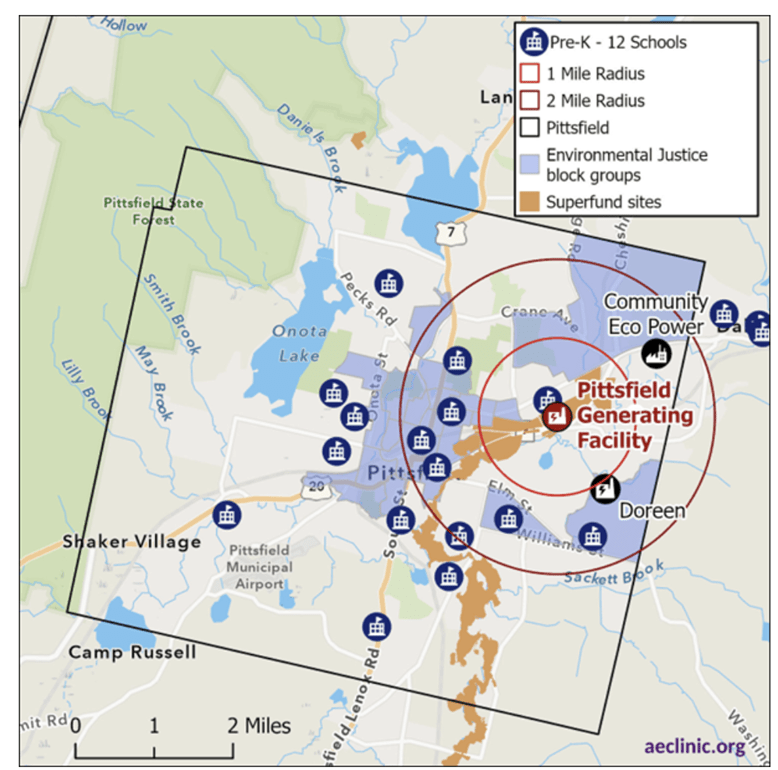
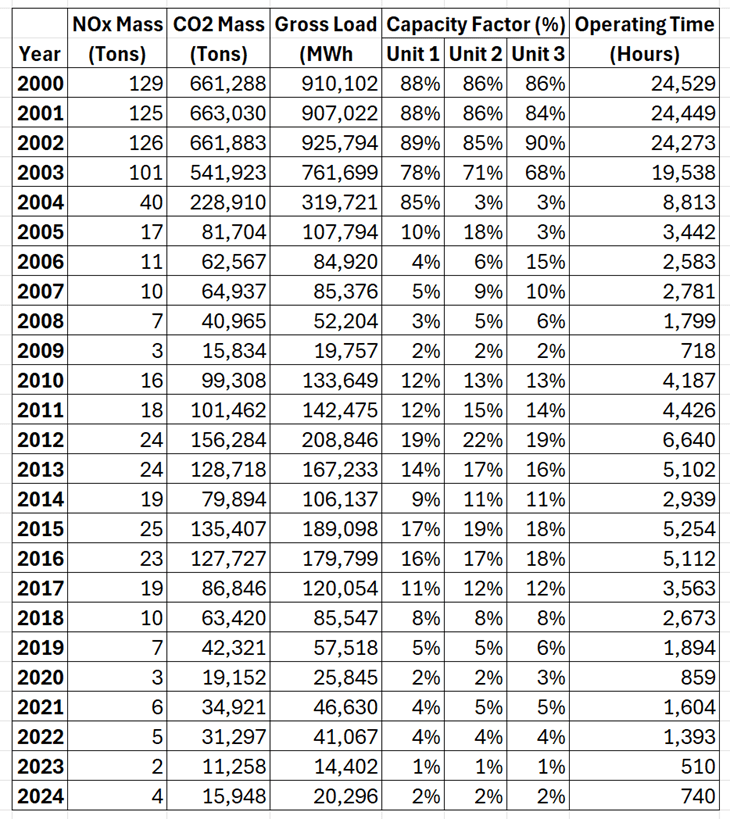
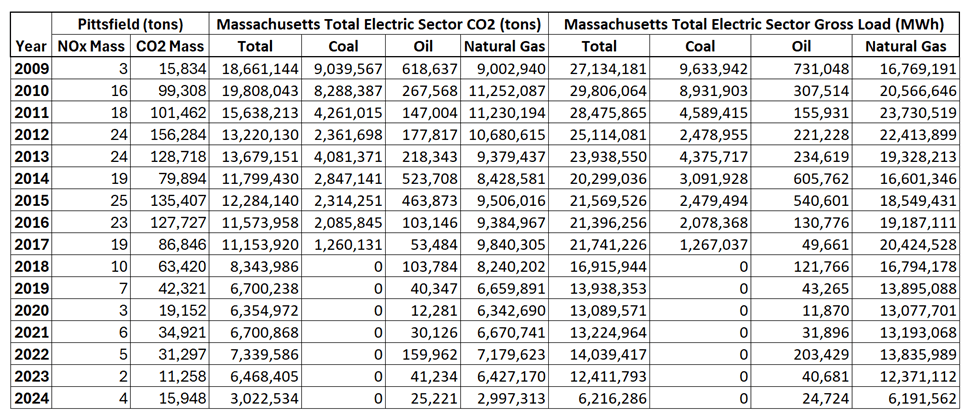
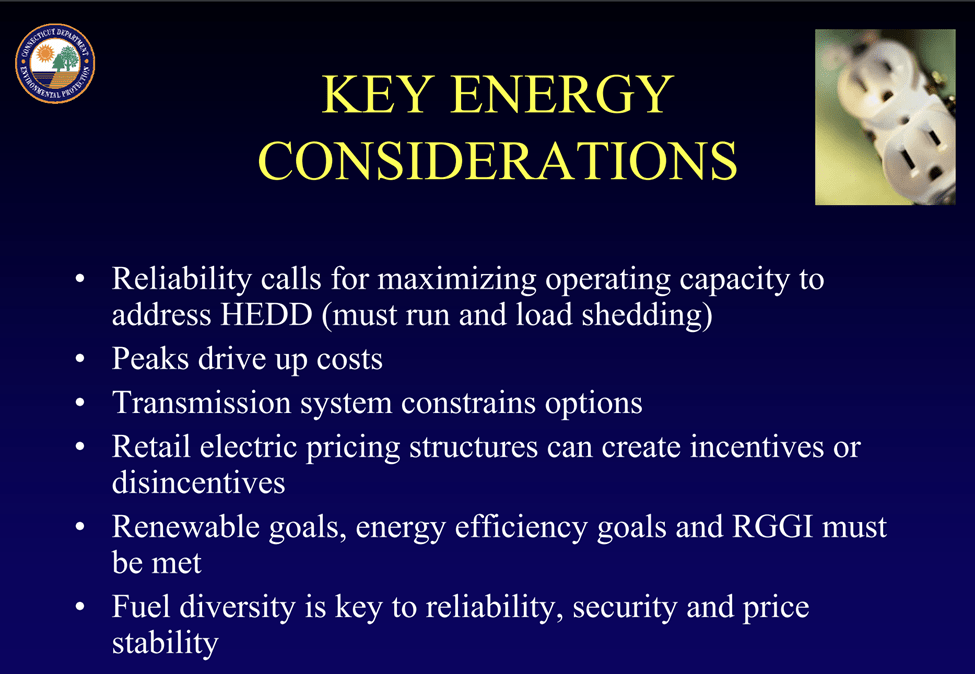
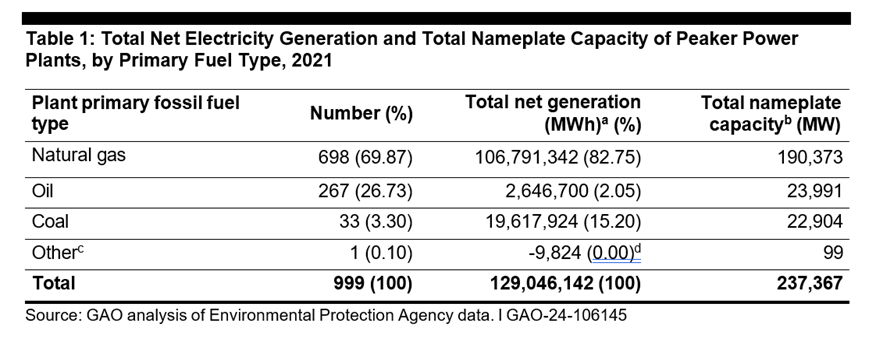
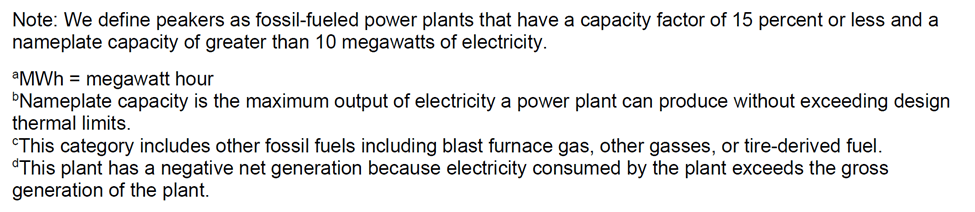



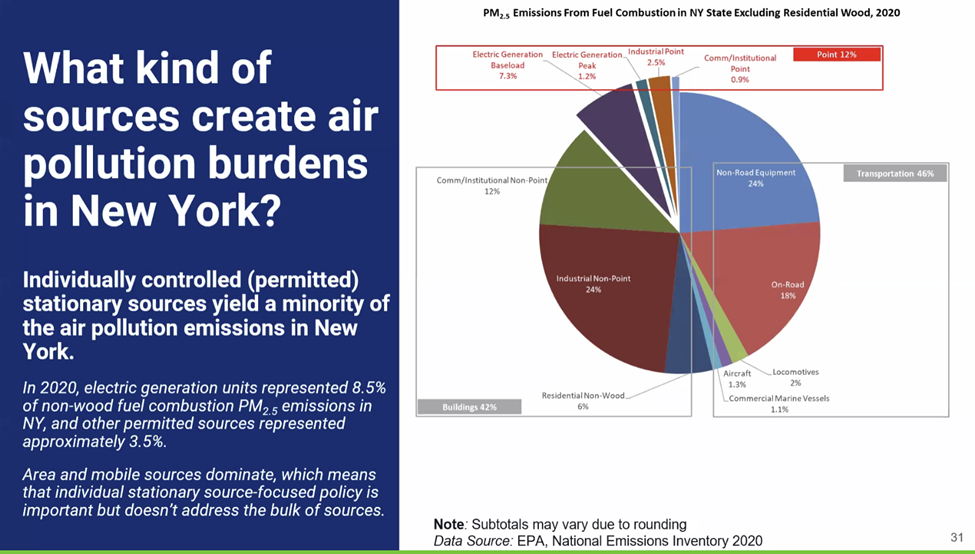


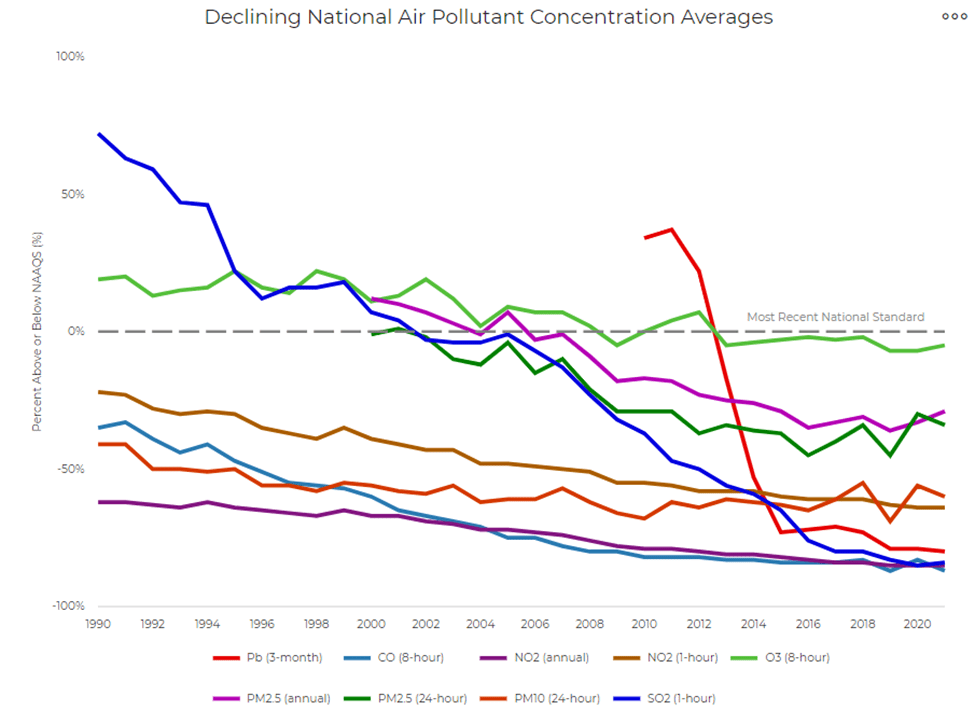
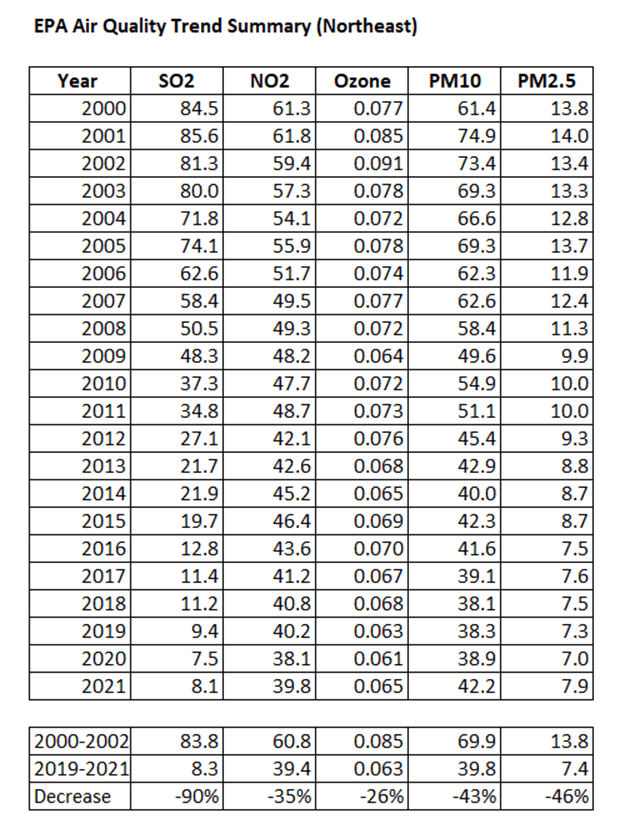
 Pragmatic Environmentalist of New York