Balancing the risks and benefits of environmental initiatives
Author: rogercaiazza
I am a meteorologist (BS and MS degrees), was certified as a consulting meteorologist and have worked in the air quality industry for over 40 years. I author two blogs. Environmental staff in any industry have to be pragmatic balancing risks and benefits and (https://pragmaticenvironmentalistofnewyork.blog/) reflects that outlook. The second blog addresses the New York State Reforming the Energy Vision initiative (https://reformingtheenergyvisioninconvenienttruths.wordpress.com). Any of my comments on the web or posts on my blogs are my opinion only. In no way do they reflect the position of any of my past employers or any company I was associated with.
Frequent readers of this blog know that many of my posts are long because I get document all my statements. This is because of my background in industry where it is necessary to prove my arguments to have credibility. This is an update of articles that I have read that I want to mention but do not require a detailed post. Previous commentaries are available here.
I have been following the Climate Leadership & Community Protection Act (Climate Act) since it was first proposed and most of the articles described below are related to the net-zero transition. I have devoted a lot of time to the Climate Act because I believe the ambitions for a zero-emissions economy embodied in the Climate Act outstrip available renewable technology such that the net-zero transition will do more harm than good. The opinions expressed in this article do not reflect the position of any of my previous employers or any other company I have been associated with, these comments are mine alone.
This is a great article I recommend that you read the whole thing. Irina Slav explains a fundamental factor affecting the deployment of wind and solar.
The biggest developer of wind and solar in Europe, Norway-based Statkraft, said last month that electricity prices in Europe have gone too low and production costs have gone too high, so it’s planning fewer projects for the immediate future.
“The transition from fossil to renewable energy is happening at an increasing pace in Europe and the rest of the world. However, the market conditions for the entire renewable energy industry have become more challenging,” Statkraft’s chief executive told the Financial Times.
Obviously, she was being modest and if she was being honest instead, the quote would have gone as follows: “The attempted transition to renewable energy is happening at an increasing pace, so market forces are kicking in more noticeably than before, making conditions for the industry more challenging.”
Slav goes on to argue that supply and demand is the fundamental driver of economic growth:
presence of so many massively huge corporations) supply and demand play equal roles as fuel for the growth engine. When supply for a product goes too high, demand lags behind, supply declines and, unless demand remains low and the product is replaced by another, demand begins to exceed supply and causes a supply rebound.
Of course this is as basic an explanation as is possible to produce but it serves my purpose, which is a comparison with planned economies. In planned economies, demand is a secondary concern. In planned economies, you buy what’s in front of you and don’t ask for a choice because there is none.
I encourage you to read the article because her arguments that the net-zero transition planned economy is destined to fail are compelling. She concludes:
Twenty years of transition attempts and we are still at the “wind and solar are free” stage of denial. The market will fix all this eventually but the signs are multiplying that the pain during the healing process will be of the more rather than less severe variety.
Gaslighting of the Year Nominee
Gaslighting refers to “the act or practice of grossly misleading someone especially for one’s own advantage”. The Free Press TGIF edition describes Jack Schlossberg:
Jack Schlossberg is Vogue’s newest political correspondent. But besides being insanely hot and the only surviving grandson of JFK, Schlossberg’s contribution to the political landscape amounts to a series of bizarre videos on Instagram where he puts on different accents to tell his followers why they should vote Biden. There’s one where he’s pretending to be a guy from Southie who cares about reproductive rights and another where he plays a British character called Reginald who wants to tell you about oil production under our current president.
In his monologue about oil production, he claims that it has reached record levels under Biden. Bud’s Offshore Energy notes that the opinions of State and local governments and tribes are fully considered as long as they are aligned with the preordained political decision. The example given was the Bureau of Land Management (BLM) rule making the National Petroleum Reserve in Alaska (NPR-A) off limits to oil and gas development. To claim that Biden contributed to the record oil production when in the first week of his administration he introduced a moratorium on new oil and gas leasing on federal lands makes Schlossberg a gaslighter of the year nominee.
The world has also experienced significant economic growth and prosperity, benefiting from the more than 6,000 products that are derived from fossil fuels. These products support the following infrastructures and were not around a few short centuries ago because they all need components and parts made from fossil fuels that were NOT available in the pre-1800s.
Non-animal powered Transportation
Airports
Hospitals
Electronics
Telecommunications
Communications systems
Militaries
Space programs
I am continually amazed by the folks that think we can go cold turkey from fossil fuels that provide so many benefits. This article is a good reminder of those benefits.
Methane
One of the most glaring examples of the misinformed “science” behind the Climate Act is the irrational obsession with methane. Steve Gorham explains that “Claims about the global warming potential of methane are accurate in the laboratory, but not in the atmosphere.” He goes on to point out “Because of greenhouse gas saturation in the atmosphere, methane regulations across the world will have no measurable effect on global temperatures.” The article is a good overview of the irrelevance of methane. There is more information on this topic on my methane page.
Ithaca NY Climate Goal
Rich Ellenbogen describes the link between a Christian Science Monitor article on the Ithaca climate goal and our warning about New York City’s Local Law 97. One recommendation in our report is the necessity of a test case to prove the viability of wholesale electrification relying on renewables. We arbitrarily picked Ithaca because I knew they had some climate goals, but I did not realize how ambitious the Ithaca plan was.
On July 10, there was a puff piece in the Christian Science Monitor regarding Ithaca’s electrification plan. It discusses building retrofits for electrification but totally ignores all of the associated infrastructure that will be needed to support the electrified buildings. Infrastructure that does not presently exist at utility scale, and won’t for decades. It also shows all of the difficulties that a city of 33,000 – 40,000 is having achieving this, and despite having large amounts of funding lavished upon them, they are missing their deadlines.
For a city of over 8 million, those issues will be orders of magnitude greater and funding will run out well before the process is even 5% completed. Ithaca also does not have the major power transmission issues that exist in the downstate region that will make the transition even more difficult.
This is nothing that hasn’t been obvious for over 5 years but as the implementation deadlines approach, it is more critical than ever to educate people as to the mess that the city and state government have placed us in so that we can hopefully prevent loss of life.
I have the pleasure to announce the availability of a new report prepared for New York Co-op and Condo Boards and Trade Associations regarding New York City Local Law 97 mandated conversion to electric heat. Local Law 97 mandates that “most buildings over 25,000 square feet are required to meet new energy efficiency and greenhouse gas emissions limits as of 2024, with stricter limits coming into effect in 2030.” Our report (“LL97 Impacts Report”) argues that in the absence of a credible and feasible plan demonstrating where the electricity will come from, backed up by a functioning Demonstration Project showing how the transformed grid will work and how much the electricity will cost, Co-op and Condo Boards cannot responsibly undergo the enormously costly process of conversion to electric heat.
I have followed the Climate Leadership & Community Protection Act (CLCPA) since it was first proposed, submitted comments on the CLCPA implementation plan, and have written over 400 articles about New York’s net-zero transition. I am convinced that the CLCPA will adversely affect affordability, reliability, and that the environmental impacts of the proposed transition are greater than the possible impacts of climate change. The opinions expressed in this post do not reflect the position of any of my previous employers or any other organization I have been associated with, these comments are mine alone.
Background
Co-authors Francis Menton, Richard Ellenbogen, and I prepared this report without compensation and on a pro bono basis because we felt duty-bound to warn people of the significant impending threat to their health and safety. We received no funding of any kind from the real estate industry, the energy industry, or anyone else for this report.
I believe that the three of us represent different but complementary backgrounds that provide a unique take on the implementation of this law. Francis Menton retired from the law firm Willkie Farr & Gallagher LLP after 31 years as a partner and brings a legal background to our team. He has written about climate and energy issues for publications including the City Journal, Gatestone Institute, Real Clear Energy, and others, and is the main author at ManhattanContrarian.com with many of his articles reposted here. Richard Ellenbogenhas a Bachelor’s degree and a Master’s Degree in Electrical Engineering from Cornell University. He worked at Bell Telephone Laboratories in their Power Systems Laboratory, before joining Allied Converters, a plastic food packaging manufacturer in New Rochelle, N.Y. As president of Allied Converters, Ellenbogen has overseen the company’s transformation into a green manufacturer with 100% waste recycling/repurposing, a 65 KW CHP System, and a 50-kilowatt solar array. Very few if any people in New York bring as much practical experience related to reducing energy use and lowering GHG emission. For nearly the past two decades, Allied Converters has generated approximately 80% of its electric energy onsite and has operated with a Carbon Footprint 40% lower than the utility system. I am a retired air pollution meteorologist who started working at the interface between the electric utility industry and New York regulatory agencies starting in 1981. I still closely follow New York regulatory initiatives and provide personal comments on energy and environment topics for regulatory proceedings and policy proposals. I author the Pragmatic Environmentalist of New York blog and occasionally post articles here.
Francis Menton’s daughter Jane lived in a Queens co-op and was on their Board when Local Law 97 (LL97) was passed. She and the members of her Board had an analysis done of the costs to meet the LL97 mandates. In short, it was unaffordable. Not only that, but Jane also knew, based on her understanding of energy constraints in NYC, that it was unworkable and would result in an energy catastrophe. She recruited her father to write a report explaining the limitations of the electric grid. Menton contacted me, I contacted Ellenbogen and the three of us agreed that, based on our backgrounds and experiences, we had a moral obligation to document the problems we expect will occur. This report is intended to provide information for a grass roots organization, directed by Jane, that we hope will coordinate a response by co-ops and condo boards throughout New York City (NYC).
Local Law 97
The goal of LL97 is to reduce the emissions produced by the city’s largest buildings 40 percent by 2030 and net zero by 2050. Similar to New York’s Climate Leadership and Community Protection Act (Climate Act) this is political theater without regard to practicality. The law also established the Local Law 97 Advisory Board and Climate Working Groups which are supposed to advise the city on how best to meet the LL97 mandates.
In December 2022, the NYC Buildings Department released a report (“NYC LL97”) from the LL97 Advisory Board. The NYC LL97 report “represents the culmination of hundreds of hours of work of the Advisory Board, Working Groups, and staff members who dedicated their time and expertise to help the City advance building energy efficiency and emissions reduction efforts”. This is a political document. LL97 mandated the appointment of sixteen people – eight appointed by the mayor and eight of appointed by the speaker of the City Council. In theory the membership was supposed to represent “key stakeholder interests from the building sector” but I can guarantee that the primary qualification for membership was alignment with the political goals – just like the advisory panels for the Climate Act’s planning process.
There were seven Climate Working Groups. These Working Groups “leveraged subject-matter experts in a variety of fields to present proposals to the Board on specific issue areas. I do not want to disparage the work of these folks but the basic working premise of all these efforts is that we must do this because it is the law. There are plenty of organizations that are happy to provide experts that can develop implementation plans that purport to show that it will work. Pursuant to LL97, the NYC LL97 report included “recommendations regarding several issues related to implementation of the law, including improving performance requirements to achieve at least a 40% reduction in aggregate GHG emissions by 2030”. The report provides these recommendations.
The NYC LL97 report includes chapters on calculating and reporting GHG emissions; recommendations for “tailored emission reduction approaches based on different building types; mechanisms for maximizing emission reductions; assistance to “assist properties, especially those in high need areas, with compliance, rather than to fine them for noncompliance” approaches to maximize “compliance with LL97 through clear communications to the public and robust, direct outreach to covered property owners and stakeholders”; achieving consistency across existing regulations; and recommendations for further analysis. The bottom line is that to meet the mandated emission limits buildings will eventually have to electrify their heating, cooking, and hot water systems.
The NYC LL97 report is incomplete. Like the Climate Act Scoping Plan, the report does not address feasibility. This is a particularly critical point because at the same time as this law is mandating increased use of electricity, the Climate Act mandates 70% renewable electrical generation by 2030 and 100% zero emissions generation by 2040. Our report (“LL97 Impacts Report”) argues that credible and feasible plan must be prepared that demonstrates where the electricity will come from. In order to guarantee health and safety a functioning Demonstration Project showing how the transformed grid will work and how much the electricity will cost is needed before Co-op and Condo Boards can responsibly undergo the enormously costly process of conversion to electric heat.
Report to Co-op and Condo Boards and Trade Associations regarding New York City Local Law 97
The LL97 Impacts Report points out that LL97 mandates that most large residential buildings in the City must convert to electric heat by 2030, and all of them by 2035. Such conversions, should they occur, will add substantially to the demand on the City’s electrical grid. Simultaneously, New York State has enacted the Climate Act, an even more comprehensive climate statute, that mandates that power plants that run on natural gas — the generators of most of the City’s reliable electricity — must be closed during the 2020s and 30s, and all of them closed by 2040. The State has also mandated that a portion of new vehicle sales be zero-emissions vehicles starting in 2026, ramping up to 100% of all such sales by 2035, further dramatically increasing the demand on the City’s grid. These several mandates are in irreconcilable conflict. They cannot all be met simultaneously; and, in combination, they will inevitably undermine the reliability of the City’s electric grid.
The LL97 Impacts Report points out that neither the State nor the City of New York has presented any credible plan demonstrating that in the early to mid-2030s there will be sufficient reliable electricity generation to meet the demands anticipated from both current uses, and from the large additions that have been mandated. Indeed, the State has admitted that, in lieu of a definitive plan, it relies instead on a speculative hope for new technologies not yet invented or deployed at scale to bridge the large gap in electricity supply that will inevitably arise from the conflicting mandates. The State can point to no Demonstration Project showing how its hope for a de-carbonized electrical grid can succeed, nor to any detailed projection of the anticipated costs.
Even the New York Independent System Operator (NYISO) – the entity responsible for maintaining the reliability of the grid it oversees – has recently issued warnings as to the looming dangers ahead from insufficient and unreliable electricity supply. In its recent 10-year Power Trends study, NYISO sees the danger of unreliability of the grid as arising no later than the phasing out by December 31, 2030 of the New York Power Authority’s small natural gas plants located in New York City. The NYISO report states:
“If demand on the grid grows at a rate greater than the buildout of new generation and transmission, reliability deficiencies could arise…”.
In addition, the Public Service Commission recently released its Clean Energy Standard Biennial Review Report that admits that the Climate Act 70% renewable electrical generation by 2030 goal will not be met until 2033 at the earliest. The report cites global interest rates, inflation, and supply chain pressures as factors affecting the progress needed to meet the 2030 mandate. Those factors also impact LL97 implementation.
The LL97 Impacts Report provides detailed descriptions of the issues raised in the NYISO and PSC report. It explains that the ongoing pursuit of New York’s irreconcilable energy mandates creates especially severe potential consequences for the City’s large co-ops and condominiums. The boards of most of these buildings currently face a mandatory 2030 deadline for conversion to electric heat. Complying with this mandate can only be done at very large cost, indeed a cost so large that it would stretch the finances of nearly all buildings to the breaking point. Boards also have under New York law a fiduciary duty to their shareholders and members, which encompasses protecting the health and safety of all residents, and not squandering their constituents’ money.
The LL97 Impacts Report notes that in the absence of a credible and feasible plan demonstrating where the electricity will come from, backed up by a functioning Demonstration Project showing how the transformed grid will work and how much the electricity will cost, Boards cannot responsibly undergo the enormously costly process of conversion to electric heat. Because of their fiduciary duties, Board members can face severe personal liability if, for example, they put their residents in the position of losing heat when the electrical grid fails on the coldest days of winter; or if they commit their building to borrowing large sums that must be repaid to install a heating system that then does not work when needed.
Conclusion
The NYC LL97 report falls far short of what is needed to provide Co-op and Condo Boards and the residents of those buildings with any assurance that the LL97 mandates can be met at the same time the Climate Act is transforming the electric energy system with massive deployments of wind, solar, and energy storage as well as not yet commercially available resources. This means extraordinary risks for keeping the heat on in the winter in NYC.
The fines that are slated to be imposed on buildings failing to convert by 2030, although substantial, are small compared to the combined exposures of conversion costs plus potential liabilities. Moreover, when it becomes apparent that the grid cannot handle the mandated demands, the laws imposing impossible and irreconcilable mandates must inevitably be modified. The LL97 Impacts Report concludes that no responsible Board can go down the road of converting a large building to electric heat until NYC proves that the mandates are demonstrably feasible without threatening the safety and welfare of affected residents.
This is the seventh installment of my annual updates on the Regional Greenhouse Gas Initiative (RGGI) annual Investments of Proceeds report. This post compares the claims about the success of the investments against reality. As in my previous posts I have found that the claims that RGGI successfully provides substantive emission reductions are unfounded and that the revenue investments cost per ton reduced far exceed all social cost of carbon estimates.
I have been involved in the RGGI program process since its inception. I blog about the details of the RGGI program because very few seem to want to provide any criticisms of the program. The opinions expressed in this post do not reflect the position of any of my previous employers or any other company I have been associated with, these comments are mine alone.
Background
RGGI is a market-based program to reduce greenhouse gas emissions (Factsheet). It has been a cooperative effort among the states of Connecticut, Delaware, Maine, Maryland, Massachusetts, New Hampshire, New York, Rhode Island, and Vermont to cap and reduce CO2 emissions from the power sector since 2008. New Jersey was in at the beginning, dropped out for years, and re-joined in 2020. Virginia joined in 2021 and dropped out at the end of 2023. Pennsylvania has joined but is not actively participating in everything due to on-going litigation. According to a RGGI website: “The RGGI states issue CO2 allowances which are distributed almost entirely through regional auctions, resulting in proceeds for reinvestment in strategic energy and consumer programs. Programs funded with RGGI investments have spanned a wide range of consumers, providing benefits and improvements to private homes, local businesses, multi-family housing, industrial facilities, community buildings, retail customers, and more.”
The participating states of the Regional Greenhouse Gas Initiative (RGGI) today released a report tracking the investment of proceeds generated from RGGI’s regional CO2 allowance auctions. The report tracks investments of RGGI proceeds in 2022, providing state-specific success stories and program highlights. The RGGI states have individual discretion over how to invest proceeds according to state-specific goals. Accordingly, states direct funds to a wide variety of programs, touching all aspects of the energy sector.
In 2022, $364 million in RGGI proceeds were invested in programs including energy efficiency, clean and renewable energy, beneficial electrification, greenhouse gas abatement, and direct bill assistance. Over their lifetime, these 2022 investments are projected to provide participating households and businesses with $1.8 billion in energy bill savings and avoid the emission of 6.6 million short tons of CO2.
The largest share of the investments was directed to energy efficiency, with 49% of the 2022 total. Other categories receiving significant investments include direct bill assistance, clean and renewable energy programs, beneficial electrification, and greenhouse gas abatement and climate adaptation programs. Approximately 30% of these investments went towards environmental justice and equity focused programs. For more details on both 2022 and cumulative investments and benefits, see the full report, Investment of RGGI Proceeds in 2022.
The report breaks down the investments into five major categories:
Energy efficiency makes up 49% of 2022 RGGI investments and 61% of cumulative investments. Programs funded by these investments in 2022 are expected to return about $1.5 billion in lifetime energy bill savings to more than 189,000 participating households and over 2,000 businesses in the region and avoid the release of 6.5 million short tons of CO2.
Clean and renewable energy makes up 7% of 2022 RGGI investments and 6% of cumulative investments. RGGI investments in these technologies in 2022 are expected to return over $139 million in lifetime energy bill savings and avoid the release of more than 660,000 short tons of CO2.
Beneficial electrification makes up 12% of 2022 RGGI investments and 4% of cumulative investments. RGGI investments in beneficial electrification in 2022 are expected to avoid the release of 315,000 short tons of CO2 and return over $97 million in lifetime savings.
Greenhouse gas abatement and climate change adaptation makes up 3% of 2022 RGGI investments and 8% of cumulative investments. RGGI investments in greenhouse gas (GHG) abatement and climate change adaptation (CCA) in 2022 are expected to avoid the release of more than 11,000 short tons of CO2.
Direct bill assistance makes up 21% of 2022 RGGI investments and 15% of cumulative investments. Direct bill assistance programs funded through RGGI in 2022 have returned over $77 million in credits or assistance to consumers.
Emissions Reductions
In my previous articles on the Proceeds reports, I have argued that RGGI mis-leads readers when they claim that the RGGI states have reduced power sector CO2 pollution over 50% since 2009. In the following table, I list the 9-state RGGI emissions and percentage reduction from a three-year baseline before the program started in 2009.
I have argued that the implication in the report’s 50% claim is that the RGGI program investments were primarily responsible for the observed reduction even as the economy grew (Chart 1 from the report).
I believe that their insinuation that RGGI was primarily responsible for the emission reductions is wrong. The following table lists the emissions by fuel types for ten RGGI states. It is obvious that the primary cause of the emission reductions was the fuel switch from coal and residual oil to natural gas. This fuel switch occurred because it was economic to do so. I believe that RGGI had very little to do with these fuel switches because fuel costs are the biggest driver for operational costs and the cost adder of the RGGI carbon price was too small to drive the use of natural gas over coal and oil.
I believe that the appropriate measure of RGGI emissions reductions is the decrease due to the investments made with the auction proceeds so I compared the annual reductions made by RGGI investments. The biggest flaw in the RGGI report is that it does not provide the annual RGGI investment CO2 reduction values accumulated since the beginning of the program. In order to make a comparison to the CO2 reduction goals I had to sum the values in the previous reports to provide that information.
The following table lists the annual avoided CO2 emissions generated by the RGGI investments from previous reports. The accumulated total of the annual reductions from RGGI investments is 4,277,230 tons while the difference between the three-year baseline of 2006-2008 and 2022 emissions is 56,704,448 tons. The RGGI investments are only directly responsible for 7.5% of the total observed annual reductions over the baseline to 2022 timeframe!
Although proponents claim that this program has been an unqualified success I disagree. Based on the numbers there are some important caveats to the simplistic comparison of before and after emissions. The numbers in the previous paragraph show that emission reductions from direct RGGI investments were only responsible for 6.7% of the observed reductions. In a detailed article I showed that fuel switching was the most effective driver of emissions reductions since the inception of RGGI and responsible for most of the reductions.
Benefits
Table 1 from the report lists two benefits of 2022 RGGI Investments: emission reductions and energy bill savings. Energy bill savings derive from investments in energy efficiency savings and other efforts that directly reduce costs to consumers. These energy saving benefits typically account for total savings over the lifetime of the project investment. RGGI does the same thing with the CO2 emission reductions but I think that is misleading because the emission reduction metric is annual emissions and not lifetime emissions.
Emission Reduction Cost Efficiency
There is another aspect of this report that is mis-leading and after arguing with RGGI and New York State about the issue, I have concluded that the deception is intentional. I believe that a primary concern for GHG emission reduction policies is the cost effectiveness of the policies and I have argued that this report should provide the information necessary to determine a cost per ton reduced value for control programs for comparison to the social cost of carbon. If the societal benefits represented by the social cost of carbon for GHG emission reductions are greater than the control costs for those reductions, then there is value in making the reductions. If not, then the control programs are not effective.
Recall that RGGI provides lifetime CO2 emission reductions but I think that is misleading because it suggests that the emission reduction cost efficiency of the investments is the total investments divided by the lifetime benefits of those benefits. For example, dividing the 2022 investments of $364 million by the lifetime avoided CO2 emissions (7,507,128) yields a value of $49. The Biden administration is re-evaluating the social cost of carbon values but for the time being has announced an initial estimate of $51 per ton and this suggests that RGGI investments are close to being cost effective relative to the Federal social cost of carbon.
the social cost of carbon is an estimate, in dollars, of the present discounted value of the benefits of reducing annual emissions by a metric ton. I believe that using the lifetime emissions approach is wrong because it applies the social cost multiple times for each ton reduced. It is inappropriate to claim the benefits of an annual reduction of a ton of greenhouse gas over any lifetime or to compare it with avoided emissions. In my comments on the New York Climate Act Scoping Plan, I explained that the value of carbon for an emission reduction is based on all the damages that occur from the year that the ton of carbon is reduced out to 2300. Clearly, using cumulative values for this parameter is incorrect because it counts those values over and over. I contacted social cost of carbon expert Dr. Richard Tol about my interpretation of the use of lifetime savings and he confirmed that “The SCC should not be compared to life-time savings or life-time costs (unless the project life is one year)”.
In order to calculate the CO2 emissions reduction efficiency consistent with the social cost of carbon, the proper estimate is the total investments since the start of the program divided by sum of the annual emission reductions. The problem is that the RGGI reports do not provide that total and instead only provide the sum of the annual lifetime CO2 avoided emissions. The Proceeds reports always include a caveat that the states continually refine their estimates and update their methodologies, but the annual numbers are not updated to reflect those changes. Ideally to get the best estimate of the annual numbers the RGGI states should provide the revised annual numbers for each year of the program. Because that is not the case, I have had to rely on the original annual numbers provided in previous editions of the report. I summed the values in the previous reports to provide that information as shown in the Accumulated Annual Regional Greenhouse Gas Initiative Benefits Through 2022 table shown above. The accumulated total of the annual reductions from RGGI investments is 4,277,230 tons through December 31, 2022. The sum of the RGGI investments in the previous table is $4,023,548,913 over that time frame. The appropriate comparison to the social cost of carbon is $4.024 billion divided by 4,277,230 tons or $941 per ton reduced.
Conclusion
The 2022 RGGI Investment Proceeds report tries to put a positive spin on the poor performance of RGGI auction proceeds reducing CO2. The alleged purpose of the program is to reduce CO2 from the electric generating sector to alleviate impacts of climate change. Since the beginning of the RGGI program RGGI funded control programs have been responsible for 7.5% of the observed reductions. The report does not directly provide the numbers necessary to calculate that estimate which I have come to believe is deliberate. When the sum of the RGGI investments is divided by the sum of the annual emission reductions the CO2 emission reduction efficiency is $941 per ton of CO2 reduced. I conclude that although RGGI has been effective raising revenues it is not an effective CO2 emission reduction program.
Frequent readers of this blog know that many of my posts are long because I get document all my statements. This is because of my background in industry where it is necessary to prove my arguments to have credibility. This is an update of articles that I have read that I want to mention but do not require a detailed post. Previous commentaries are available here.
I have been following the Climate Leadership & Community Protection Act (Climate Act) since it was first proposed and most of the articles described below are related to the net-zero transition. I have devoted a lot of time to the Climate Act because I believe the ambitions for a zero-emissions economy embodied in the Climate Act outstrip available renewable technology such that the net-zero transition will do more harm than good. The opinions expressed in this article do not reflect the position of any of my previous employers or any other company I have been associated with, these comments are mine alone.
Supreme Court Ends the Chevron Defense
Francis Menton explains: “when the legality of a regulatory action of a federal agency is challenged in court, should (or must) the court “defer” to the interpretation that the agency itself has given to the governing statute, or to the challenged regulation?” the Chevron defense deferred to the agency. He states:
Chevron deference” is the ultimate unfettering of the government to enable it to expand as much as it wants, and with nothing to stop it. Of course every agency interpretation of a statute or regulation will be in a way to give the agency itself more power! For Exhibit A, look to the EPA under Obama, which has interpreted the term “waters of the United States” to cover every puddle and wet spot (in order to claim jurisdiction over a good half of all private land) and has determined that a colorless, odorless gas (CO2) is a “danger to human health and welfare” (in order to claim jurisdiction over the entire energy sector of the economy).”
Roger Pielke, Jr. explains why he would have joined the dissent on the decisions and Robert Bryce argues that the decision “finally brings some balance into the regulatory world”. I think the defense has led to one-sided decisions that are not in the best interests of society, so I applaud the decision.
The legislation would impose a retroactive tax on fossil energy companies that have emitted greenhouse gases and operated within the state over the last seventy years. If passed, the new law will impose $75 billion in repayment fees for “historical polluters,” who lawmakers assert are primarily responsible for climate change “damages” within the state. New York will “assign liability to and require compensation from companies commensurate with their emissions” over the last “70 years or more.” The bill would establish a standard of strict liability, stating that “companies are required to pay into the fund because the use of their products caused the pollution. No finding of wrongdoing is required.”
It is unclear why New York legislators believe $75 billion in repayment fees would not increase costs to consumers but numeracy is not a strong suit of the legislature. I suspect that there will be legal challenges as well. It is kind of mind boggling that the bill demands payment for something without requiring a finding of wrongdoing. Given that Hochul as indicated that she intends to run for Governor in 2026 I would not be surprised if she signs the bill.
Proposal to Raise the New York Distributed Solar Target
PV magazine describes a New York Solar Energy Industries Association (NYSEIA) report to Governor Kathy Hochul, requesting a raised target for the state’s distributed solar targets. The current target is 10 GW by 2030 and NYSEIA proposes raising the target to 20 GW by 2035. A quick look at the report suggests that I should address some of the claims made but, in this commentary, I want to address one issue.
Given the problems raised in the New York Independent System Operator Power Trends 2024 report, I believe that New York’s energy planning should focus on the wind and solar resource gap that was addressed at the first session of the Department of Public Service Proceeding 15-E-0302 technical conference held on December 11 and 12, 2023 entitled Zero Emissions by 2040. I described the problem and the new category of generating resources called Dispatchable Emissions-Free Resources (DEFR) necessary to keep the lights on during periods of extended low wind and solar resource availability.
The problem with solar is that it is not expected to provide any energy when the future winter load peaks after the sun has gone down. Distributed solar has a related problem. Roof top arrays are commonly used for distributed solar and in New York City many arrays are flat as shown below.
Just imagine how these panels will look after a significant snowstorm. There is no place to put the snow even if it could be cleared. It is not unusual for the coldest weather and the highest loads to occur after an impactful snowstorm. In that instance, rooftop solar will not only be unavailable during the peak hour but could be impacted for days after the snowstorm. Spending more money on distributed solar that will not help address future peak winter loads is a waste.
Jo Nova notes that India burns more coal than the US and Europe combined and just ordered $33b in “new coal plants”. I compared NYS GHG emissions with India and China using data from Our World in Data. In 2021, NYS GHG emissions (GWP-100) were 247 million metric tonnes (MMT). GHG emissions from China were 13,774 MMT and from India were 3,879 MMT. The increase in emission from 2020 to 2021 were 498 MMT in China and 265 MMT in India. New York emissions will be supplanted by emissions from China or India in less than one year.
Somebody explain to me why New York is doing this again.
Here are a few other items of interest.
Videos
Tony Heller provides an example of the integrity- and veracity-free world of the press and climate academics.
Reason for 2023 Record Warming Javier Vinós makes the case that the primary reason for the spike in temperatures was natural. In particular a very rare underwater volcano that injected water vapor into the stratosphere.
Chuck Schumer’s ‘Dear Friend’ Invested in Solar as Schumer Secretly Negotiated Climate Bill. You will never be able to convince me that it is not all about the money. “More and more, it appears the ‘green’ in much of the green agenda has a lot less to do with the environment than it does with transferring taxpayer funds to preferred special interest bank accounts,” said Michael Chamberlain, the director of government watchdog group Protect the Public’s Trust.
Adults take charge: “Chaotic and only occasional wind and solar generation is what you get when infants run the show. Now in a ‘wait til your father gets home’ moment, governments of an adult bent are taking a firm grip on energy policy. Ditching the suicidal renewable energy targets and plumping for nuclear power, principally because it works.” I love the illustration for the article.
Nuclear New York, Inc. submitted the report “Filling the Gap in the State’s Decarbonization Plan” to the New York Department of Public Service (DPS) Proceeding 15-E-0302 related to a new category of generating resources called Dispatchable Emissions-Free Resources (DEFR). All credible analyses of the future New York electric system agree that new technologies are necessary to keep the lights on during periods of extended low wind and solar resource availability. This article documents this analysis.
I have followed the Climate Leadership & Community Protection Act (Climate Act)since it was first proposed, submitted comments on the Climate Act implementation plan, and have written over 400 articles about New York’s net-zero transition. The opinions expressed in this article do not reflect the position of any of my previous employers or any other company I have been associated with, these comments are mine alone.
Overview
The Climate Act established a New York “Net Zero” target (85% reduction in GHG emissions and 15% offset of emissions) by 2050. It includes an interim 2030 reduction target of a 40% reduction by 2030 and a requirement that all electricity generated be “zero-emissions” by 2040. The Climate Action Council (CAC) was responsible for preparing the Scoping Plan that outlined how to “achieve the State’s bold clean energy and climate agenda.” The Integration Analysis prepared by the New York State Energy Research and Development Authority (NYSERDA) and its consultants quantifies the impact of the electrification strategies. That material was used to develop the Draft Scoping Plan outline of strategies. After a year-long review, the Scoping Plan was finalized at the end of 2022.
When the Climate Action Council voted to accept the Scoping Plan draft members made statements. I have previously described the outsized influence of Dr. Robert Howarth the David R. Atkinson Professor of Ecology & Environmental Biology at Cornell University on the findings of the Council. His statement, in support of approving the Scoping Plan draft included the following:
A decade ago, Jacobson, I and others laid out a specific plan for New York (Jacobson et al. 2013). In that peer-reviewed analysis, we demonstrated that our State could rapidly move away from fossil fuels and instead be fueled completely by the power of the wind, the sun, and hydro. We further demonstrated that it could be done completely with technologies available at that time (a decade ago), that it could be cost effective, that it would be hugely beneficial for public health and energy security, and that it would stimulate a large increase in well-paying jobs. I have seen nothing in the past decade that would dissuade me from pushing for the same path forward.
The Scoping Plan directly contradicts his statement that technologies available when the paper was written and today are sufficient for the transition away from fossil fuels. The Scoping Plan itself explains why DEFR is necessary. I provide more details about DEFR at a dedicated webpage and I am compiling a list of analyses that contend that it is necessary. This post describes the Nuclear New York report “Filling the Gap in the State’s Decarbonization Plan” that also argues that New York’s plans have underestimated the need for dispatchable resources in the future.
A New View of the Electric Grid
The Filling the Gap in New York’s Decarbonization Plan: A New View of the Electric Grid report was authored by Leonard Rodberg, PhD, Research Director, Nuclear New York, Inc.; Consultant, Energy Policy; Reiner Kuhr, Founder, Center for Academic Collaborative Initiatives (CAIC); and Ahmad Nofal, Co-founder, CAIC. The rest of this section quotes the Executive Summary and includes my annotations.
The report clearly describes the issue. At the same time load is expected to increase significantly, New York is proposing to rely on wind and solar that needs a firm dispatchable resource aka DEFR:
New York State has seriously underestimated the need for a large firm dispatchable source (A firm dispatchable source is always available and able to supply whatever additional electric output is needed) in its future decarbonized grid. The growth in demand from the expected electrification of automobiles and the heating of buildings requires that such a resource operate for more than a third of the year to provide a grid that is reliable and avoids rolling blackouts.
I believe that an hourly analysis is necessary. The authors used a model that “performs an hour-by-hour analysis of the projected electricity demand in 2040 to show how the in-state sources assumed in NYSERDA’s scenario actually behave when serving this varying demand.” The Center for Academic Collaborative Initiatives model “uses spreadsheet software to calculate, for each hour throughout the year, how the available energy sources, including battery storage and the DEFR, will be used to meet projected electric load.”
We have analyzed a Renewable-Focused Plan (RFPlan) with characteristics similar to scenarios describing the state’s future electric grid prepared by the NYS Energy Research and Development Authority (NYSERDA) for the Climate Action Council. (CAC). Using a new modeling tool that allows an hour-by-hour analysis of electric system behavior, we can see details of the hourly operation of each energy source, features not disclosed by existing models, including that used by NYSERDA. We can also estimate the cost to the purchasers of electricity and taxpayers of these scenarios.
The authors used the installed capacities included in the Integration Analysis Scenario 3 but the model dictates how the units operate.
The State’s Climate Leadership and Community Protection Act (CLCPA) requires that the electric grid be free of greenhouse gas emissions by 2040. NYSERDA’s scenarios create a plan which depends almost entirely on generating electricity with renewable sources. They retain existing nuclear plants, but no new ones are added.
The Executive Summary outlines the approach used in the Scoping Plan:
The Scoping Plan adopted by the CAC declares that “wind, water, and sunlight will power most of New York’s economy.” While its focus is on renewable sources, the CAC does recognize the need for an additional clean source: “plan analysis and current studies show that the 2040 zero-emission goal requires between 15 and 45 gigawatts (GW) of electric power from dispatchable zero-emission resources”. However, NYSERDA finds that little more than 2% of the potential output of such a dispatchable emission-free resource (DEFR) will actually be used.
The authors explain that the Scoping Plan approach is based on a lot of wishful thinking:
Simple arithmetic makes this seem highly questionable. By 2040, NYSERDA and NYISO, the grid operator, estimate that building and transportation electrification will have expanded so that the grid will have a peak load in winter of 46-50 GW. Yet, even with land-based and offshore wind blowing at full capacity, no more than 35 GW will be available during winter evenings. Little or no excess capacity exists to charge the batteries, and, of course, solar won’t be available. Much more than 2% of the dispatchable source’s potential output has to be available to get through the winter without blackouts.
The CAIC model projects a dramatic difference in the use of DEFR:
Our hour-by-hour analysis shows that the firm dispatchable source has to run two-thirds of the year. The total load has increased from today. The summer peak has been replaced by a much higher winter peak. That greater demand is met by the extended operation of the DEFR which runs during most evenings in the cooler portion of the year. In fact, we find a capacity factor — the fraction of potential output actually used –of 14.4%. Our detailed results are shown below.
In my opinion, the CAIC analysis treats DEFR differently than the Integration Analysis does. I believe that when the Integration Analysis determines which resources should be applied to meet load, they use DEFR as a last resort. On the other hand, CAIC uses DEFR much more frequently. That could be due to a difference in the hourly projections of wind, solar, energy storage, and load for the two models or presumptions in the models.
The final aspect of the modeling is a proposal for an alternative approach:
In this paper we suggest alternatives to NYSERDA’s plan that use baseload nuclear power along with a nuclear-powered firm dispatchable resource (DEFR) to ensure a reliable grid. Our plan costs one-third less than the RFPlan.
DEFR Implications
The CAIC model was also used to evaluate the placeholder Integration Analysis DEFR technology:
NYSERDA suggests, in its Integration Analysis, the use of hydrogen produced with renewable generated electricity to fuel the DEFR. We have examined this case and find that supplying sufficient energy to produce the required hydrogen would necessitate a 40% increase in the number of solar and wind installations, beyond those envisioned in the RFPlan. We are unable to estimate that system’s cost, since it would require creating a new infrastructure to produce, transport, and store a large supply of hydrogen during the summer for use in the winter. Analyzing such a construction project is beyond the scope of this study.
It is not clear how the Integration Analysis deals with hydrogen. I think that they believe that they have included sufficient wind and solar resources to support hydrogen production using electrolysis. However, I also think that the Integration Analysis has arbitrarily decided that half of the needed hydrogen will come from out of state. I think that is a wildly optimistic presumption and very unlikely to occur. In any event, no one can estimate how much this will cost using the documentation provided.
Nuclear Option
Not surprisingly Nuclear New York proposes nuclear energy as a DEFR candidate. The Scoping Plan makes a token suggestion that nuclear should be considered but there is no serious attempt to compare nuclear relative to their other technology recommendations. The report describes the Nuclear New York proposal:
The following scenarios, which we term “Brighter Future,” build upon a 2022 policy proposal
prepared by Nuclear New York, Clean Energy Jobs Coalition NY, and A Campaign for a Green Nuclear Deal. Recognizing that much of New York’s electricity demand is constant throughout the year, Brighter Future utilizes nuclear power as a principal source of clean power throughout the year, not simply as a DEFR when solar and wind are incapable of meeting the load. Nuclear becomes the backbone of the system, not simply a backup to intermittent, weather-dependent renewables.
These scenarios include 7 GW of new baseload nuclear power – adding more than twice what is
already operating in upstate New York – along with 26 to 30 GW of DEFR. Far fewer solar and wind installations are needed; we assume 80% fewer installations than in RFPlan. Our grid model presently does not allow for the DEFR to charge batteries. Since adding batteries that are seldom charged adds unnecessary costs, we exclude them from the Brighter Future scenarios. We will evaluate their inclusion in future research.
The first, Brighter Future 1, has 9 GW of offshore wind, the minimum called for in the CLCPA.
Brighter Future 2 has no offshore wind and costs significantly less. Not only does offshore wind add to the system cost, but it will be shut down, and possibly seriously damaged whenever frequent and increasingly intense storms arrive from the Caribbean and South Atlantic.
The following table from the report summarizes their findings and provides total per-unit generation costs for in-state resources under two DEFR capital cost scenarios: current-cost at ~$6,000/kW and low-cost at ~$3,000/kW.
I agree that nuclear must be used if New York wants to decarbonize safely and suspect that the all-in costs of nuclear will be less than wind, solar, energy storage, and DEFR.
DEFR Options
The report also includes a section describing alternative DEFR technologies. The report evaluates a number of suggested options:
Fuel cells or gas turbines powered by “green hydrogen”: Hydrogen fuel cells or combustion power plants similar to those now burning fossil fuels could run on “green hydrogen” produced in electrolyzers powered by renewable energy, as NYSERDA has suggested. However, such a plan requires the creation of an expensive infrastructure to transport and store the hydrogen, as well as a buildout of additional costly, land-hungry solar and wind facilities to power the hydrolysis plants that produce the hydrogen. Using hydrogen for energy storage is challenged, also, by the fact that the round-trip power-to-gas-to-power (P2G2P) efficiency is just 40%.34 This means more than twice as much additional energy is needed as will be generated by the DEFR, with a commensurate drain on material resources, land, and societal wealth.
Long-duration storage: This might help, but currently no realistic scalable form of such storage exists. If it did, it, too, would require a vast expansion of generating capacity if solar and wind power charges whatever storage medium is used.
Carbon capture and storage (CCS) attached to gas-fired power plants: This only exists on an experimental basis. It would add substantial cost to the power it was attached to, and there would be upstream leakage of greenhouse gases and other pollutants to the environment. The captured CO2 would have to be disposed of, presumably underground, adding additional cost as well as potential environmental damage.
Nuclear power: This is the DEFR energy source used in each of our scenarios, as well as for additional baseload generation in the Brighter Future scenarios. Only nuclear power has been demonstrated to have the necessary capabilities, not only in the gigawatt-scale reactors now operating in New York State and elsewhere, but in the smaller reactors now under commercial development and operating on submarines and ships for over fifty years (many designed in New York State at the Knolls Atomic Power Laboratory).
Alternate nuclear options: Alternate ways of using nuclear energy will deserve consideration. Nuclear reactors, like most energy sources, are most cost-efficient when they run more of the time to meet demand. We found that the DEFR would be operating at partial capacity for most of the year. A more cost-effective plan might use a smaller number of reactors running continuously to produce hydrogen which could be used in fuel cells. Another option would be to use nuclear facilities to produce carbon-neutral synthetic fuels.35,36 Full analysis of the cost and suitability of these options is beyond the scope of this paper, but they deserve serious study.
I agree with their findings. I will only believe that the State seriously wants to reduce carbon emission if and only if they abandon the wind and solar approach and go nuclear. As this report explains it is the only viable approach.
Discussion
The report lists some limitations of the modeling and their research. Those include: a simplified view of the in-state transmission system, absence of reserves mandated by reliability requirements, fixed cost assumptions, a couple of potential refinements for the nuclear proposals, and optional DEFR designs.
I caution readers that this analysis is not as sophisticated as the work that NYISO does. Transmission constraints will definitely affect the outcome of projections. NYISO projections handle all the complications associated with those constraints. I do not think that the Integration Analysis includes sophisticated transmission constraints either.
Despite its limitations I do not believe that these limitations affect the general outcomes: DEFR is needed and nuclear is the best option available because it markedly reduces the amount needed.
Dunkelflaute
Dunkelflaute is a “German term that is used in the energy industry to describe a period of multiple consecutive days in which low or minimal energy can be generated by renewable energy sources, such as solar or wind”. Of course this describes the conditions that drive the need for DEFR.
In response to comments I submitted on this topic to the Proceeding on Motion of the Commission to Implement a Large-Scale Renewable Program and a Clean Energy Standard – Zero Emissions Target Case No. 15-E-0302author Leonard Rodberg sent me the following information:
Your analysis of the frequency of overcast and wind lull (“Dunkelflaute”) conditions is impressive and important. However, there are much larger problems with the State’s renewable-focused plan which they and everyone else seem to be ignoring.
On many winter nights in a fossil-free 2040, there will only be wind and the remaining nuclear and hydro to power the grid. No sun, of course, and batteries uncharged since there’s no excess power during the day to charge them. The result will be many nights when the grid shuts down unless a gap-filling clean firm source is available.
In fact, it’s even worse than that. Both NYSERDA and NYISO project winter peaks of 46-50 GW, but even with their projected wind power at its peak output, there’s just 35 GW available (see the graph below). No one seems to have bothered to add these up, and the model they’re using hides it .
The gap is large and is present much of the year. I’ve used an hourly dispatch model to show what’s really likely to happen in that situation. It’s shown and explained here. (This is a reference to the report described in this article.)
I included this because I think it reinforces the position I wanted to publicize. DEFR is necessary and the State’s analyses are not treating it well.
Conclusion
I concur with the report conclusion:
We have shown, with a modeling tool capable of performing an hour-by-hour analysis, that
dispatchable emission-free resources are essential to meeting the goal of a reliable, zero-emission grid. Further, this clean dispatchable source must be able to run a large portion of the year. The only such source likely to be available within the next several decades is nuclear power. The state will further benefit from the deployment of additional baseload nuclear power. This combination of nuclear resources will be more cost-efficient and environmentally-protective than an alternative focused on intermittent weather dependent sources.
Finally note that is another analysis that destroys the Climate Action Council argument that New York can rapidly move away from fossil fuels and instead be fueled completely by the power of the wind, the sun, and hydro using technologies available at this time. That is simply not true.
The Climate Leadership & Community Protection Act (Climate Act) requires that the Public Service Commission (PSC) issue a review for notice and comment that considers “(a) progress in meeting the overall targets for deployment of renewable energy systems and zero emission sources, including factors that will or are likely to frustrate progress toward the targets; (b) distribution of systems by size and load zone; and (c) annual funding commitments and expenditures.” The recently released Clean Energy Standard Biennial Review Report contains a lot of information that will be addressed in future posts. This post provides my first impression of the document. Spoiler – there is no chance that the 2030 mandate for the 70% renewable electric energy will be met.
I have followed the Climate act since it was first proposed, submitted comments on the Climate Act implementation plan, and have written over 400 articles about New York’s net-zero transition. The opinions expressed in this article do not reflect the position of any of my previous employers or any other company I have been associated with, these comments are mine alone.
Overview
The Climate Act established a New York “Net Zero” target (85% reduction in GHG emissions and 15% offset of emissions) by 2050. It includes an interim 2030 reduction target of a 40% reduction by 2030, a requirement for 70% renewable energy for electric production by 2030, and a requirement that all electricity generated be “zero-emissions” by 2040. The Climate Action Council (CAC) was responsible for preparing the Scoping Plan that outlined how to “achieve the State’s bold clean energy and climate agenda.” The Integration Analysis prepared by the New York State Energy Research and Development Authority (NYSERDA) and its consultants quantifies the impact of the electrification strategies. That material was used to develop the Draft Scoping Plan outline of strategies. After a year-long review, the Scoping Plan was finalized at the end of 2022.
Biennial Report
The Introduction to the report states:
The Climate Leadership and Community Protection Act (CLCPA) of 2019 requires that the Public Service Commission (PSC) issue a review for notice and comment that considers “(a) progress in meeting the overall targets for deployment of renewable energy systems and zero emission sources, including factors that will or are likely to frustrate progress toward the targets; (b) distribution of systems by size and load zone; and (c) annual funding commitments and expenditures.” This Report serves to inform the Commission’s review. It summarizes the progress made toward the renewable energy and zero emission goals set by the CLCPA since the establishment of New York State’s Clean Energy Standard (CES), assesses what remains to be done to achieve those goals, presents policy options and proposals, and invites comments from stakeholders and the public on these or any other matters raised in this Report. The Report focuses in particular on New York’s goal to obtain 70% of New York’s electricity from renewable sources by 2030 (the 70% goal) and the related goal of 9 gigawatts (GW) of offshore wind by 2035.
The footnote for the first sentence states: PSL §66-p(3). PSL §66-p(4) provides the Commission with authority to “temporarily suspend or modify” the obligations created by the Program if, after conducting a hearing, it finds that the Program “impedes the provision of safe and adequate electric service,” “is likely to impair existing obligations and agreements,” and/or is related to “a significant increase in arrears or service disconnections.” The Introduction goes on:
Section 1 identifies the key regulatory actions taken to date to support renewable energy deployment in New York, including the establishment of the CES. Section 2 summarizes progress to date in achieving the CLCPA and CES goals in terms of current contributions of operational renewable energy systems and zero-emission sources to the State’s energy portfolio. Section 3 offers a detailed assessment of major factors that have affected and will likely continue to affect progress towards the goals. Section 4 reports on the pipeline of contracted renewables from previous Tier 1 and offshore wind solicitations. Section 5 accesses the amount of renewables that would need to be procured, under the CES or a modified version of the program, to achieve the 70% goal and recommends adjustments to NYSERDA’s procurement authorization that may be necessary to do so. Section 6 considers other programmatic options for accelerating development and construction of renewable energy resources. Policy options and proposals under consideration in this Report are limited to the CES itself.
I could do a post on each section and may end up doing that. It is encouraging that the PSC acknowledges the safety valve mechanism in Public Service Law §66 that I have mentioned on many occasions. Optimistically could this signal recognition that if the aspirational scheduled mandates of the Climate Act are not feasible that the schedule must be modified?
Progress to Date
Section 5 summarizes the “Path to the 70% goal”. The description of the Table 8 “Summary of progress” states:
Under the base case load forecast assumption of 164,910 GWh by 2030 as described above, the 70% goal equates to 115,437 GWh. Table 8 below summarizes the contributions towards the goal from currently operational and contracted renewables, as set out above in Section 2 and Section 4 of this Report. In addition, it projects 10 GW of distributed generation by 2030 secured outside the CES framework.
I will follow up with a post addressing the assumptions used to calculate the numbers in Table 8. Sections 2 and 4 described how operational and contracted/awarded renewable estimates were projected and that discussion is also worthy of its own post. At this time it is notable that one of the key points in the report is the admission that contracted projects don’t always get built.
The report describes Table 8:
With these conservative assumptions, the expected amount of renewable generation from operational and awarded/contracted sources in 2030 totals 73,292 GWh. Under the base case forecast for the 2030 statewide electric load, there is a renewable energy supply deficit of 42,145 GWh that would have to be addressed through future procurements in order to reach the 70% goal amount of 115,437 GWh.
Consider these numbers in context. There is an admitted gap of 42,145 GWh which is greater than the total operational renewable generation in 2022, 2022 imports and operational after 2022 (37.692 GWh). Trying to cover that gap is an ambitious challenge.
2030 Projected Renewables
The Biennial report proposes to double down on building renewables to cover the gap and meet the target.
To fill the expected gap, three Tier 1 annual solicitations – those for 2024, 2025, and 2026 – are currently scheduled and will seek projects capable of deploying by 2030. However, the amounts procured in these solicitations would need to be adjusted to secure the needed quantity of 42,145 GWh. The analysis suggests NYSERDA would have to procure approximately 14,048 GWh per solicitation, assuming no project attrition, or, assuming a 30% attrition rate, an amount of 20,068 GWh per solicitation. This volume is significantly higher than the annual procurement quantity of 4,500 GWh per Tier 1 solicitation (before attrition) estimated in the 2020 CES White Paper and 2020 CES Order.
The best efforts of the State to date for renewable solicitations are far lower than what is needed. The report admits that “the maximum annual new project development rate would likely be in the range of 6,000-7,000 GWh per year at least in the near term” and that is contingent on meeting a number of conditions. Table 9 below describes what the report argues is feasible.
Even under the revised assumptions the PSC projects that the 70% renewable energy goal will not be achieved until 2033 when the historic renewable resource deployments are considered.
Conclusion
The State has never done a feasibility analysis to prove that their plan to rely on wind and solar will work. The Climate Act deadlines were set arbitrarily by politicians so achieving that is another level of wishful thinking.
Get out the popcorn. Reality is catching up to the Climate Act net-zero transition. This report is the first indication that things are not going as planned. How will the Hochul Administration handle the obvious need to relax the deadlines?
Stay tuned for future articles on this important report.
According to Pew Research, Americans still want renewable energy, but support is waning. This comes as the impacts of the Climate Leadership & Community Protection Act (Climate Act) are becoming clear. It would be interesting to see a similar poll for New York residents.
I have followed the Climate Act since it was first proposed, submitted comments on the Climate Act implementation plan, and have written over 400 articles about New York’s net-zero transition. The opinions expressed in this article do not reflect the position of any of my previous employers or any other company I have been associated with, these comments are mine alone.
Overview
The Climate Act established a New York “Net Zero” target (85% reduction in GHG emissions and 15% offset of emissions) by 2050. It includes an interim 2030 reduction target of a 40% reduction by 2030 and a requirement that all electricity generated be “zero-emissions” by 2040. The Climate Action Council (CAC) was responsible for preparing the Scoping Plan that outlined how to “achieve the State’s bold clean energy and climate agenda.” The Integration Analysis prepared by the New York State Energy Research and Development Authority (NYSERDA) and its consultants quantifies the impact of the electrification strategies. That material was used to develop the Draft Scoping Plan outline of strategies. After a year-long review, the Scoping Plan was finalized at the end of 2022. Since then, State agencies and the legislature have been attempting to implement the plans.
How Americans View National, Local and Personal Energy Choices
The Pew Research Center released the results of its survey on June 27, 2024
How Americans View National, Local and Personal Energy Choices
Most Americans want more renewable energy, but support has dipped. Interest in electric vehicles has also declined
There’s been a decline in the breadth of support for wind and solar power. The shares who favor expanding solar and wind power farms are down 12 percentage points and 11 points, respectively, since 2020, driven by sharp drops in support among Republicans.
Interest in buying an electric vehicle (EV) is lower than a year ago. Today, 29% of Americans say they would consider an EV for their next purchase, down from 38% in 2023.
Still, a majority of Americans (63%) support the goal of the U.S. taking steps to become carbon neutral by 2050. When asked which is the greater priority, far more Americans continue to say the country should focus on developing renewable energy than fossil fuel sources (65% vs. 34%).
The survey, conducted May 13-19 among 8,638 U.S. adults, finds a fairly modest share of U.S. adults (25%) say it’s extremely or very important to them personally to limit their own “carbon footprint.” Far more give this middling or low priority.
These findings illustrate how large shares of Americans back more renewable energy that would decrease overall carbon emissions. Still, this general orientation does not necessarily translate into strong commitment to reducing personal carbon emissions or interest in buying an EV.
Maybe it is just me but the lead sentence claim that record heat is spurring action smacks of bias. I checked the description of how they did the survey to see if my concerns were warranted:
Pew Research Center conducted this study to understand Americans’ views of energy issues. For this analysis, we surveyed 8,638 U.S. adults from May 13 to 19, 2024.
Everyone who took part in the survey is a member of the Center’s American Trends Panel (ATP), an online survey panel that is recruited through national, random sampling of residential addresses. This way, nearly all U.S. adults have a chance of selection. The survey is weighted to be representative of the U.S. adult population by gender, race, ethnicity, partisan affiliation, education and other categories. Read more about the ATP’s methodology.
The questions used for the survey were not overtly biased. Nothing like “In order to save the planet from imminent doom are you in favor of solar farms?” My only reservation is that these questions were part of a bigger survey, so it is not clear if previous questions primed the pump towards climate impact alarm. One other point is that the methodology was different from most surveys. Instead of a phone survey the Pew Research Center has established the American Trends Panel “a nationally representative panel of randomly selected U.S. adults who participate via self-administered web surveys.” I have no opinion if this affects survey results.
Rather than just provide the results of the survey the Pew website description addresses the question of what’s behind the declines in support for wind and solar.
Declines in public support for renewable energy have been driven by Republicans and Republican-leaning independents, whose support started to fall sharply after President Joe Biden took office in early 2020.
64% of Republicans say they favor more solar panel farms, down from 84% in 2020.
56% of Republicans say they favor more wind turbine farms, a 19-point drop from 2020.
Over this same time period, views among Democrats and Democratic leaners on these measures are little changed, with large majorities continuing to support more wind and solar development.
In some cases, gaps between Republicans and Democrats over energy policy now approach the very wide partisan divides seen over the importance of climate change.
In May 2020, Democrats were 26 points more likely than Republicans to say the country’s priority should be developing renewable energy (91% vs. 65%). Four years later, that gap has ballooned to 49 points, due almost entirely to changing views among Republicans – 61% of whom now say developing fossil fuels like oil, coal and natural gas should be the more important priority.
However, the authors do admit that it is not just political affiliation:
But changes in attitudes about policies that would reduce carbon emissions are not solely the result of more negative views among Republicans. For instance, the share of Democrats who say they are very or somewhat likely to consider an EV for their next car purchase has declined from 56% to 45% in the last year. And the share of Democrats who call climate change a very big problem for the U.S. has declined from 71% in 2021 to 58% today.
New York’s Climate Leadership & Community Protection Act (Climate Act) mandates massive changes to the energy choices of New Yorkers that require action today. I have followed the Climate Act since it was first proposed, submitted comments on the Climate Act implementation plan, and have written over 400 articles about New York’s net-zero transition. One over-riding conclusion based on my work and discussions with others who share my concerns is that the majority of New Yorkers have no clue what is coming at them.
Nationally the mandates and potential impacts are much less imminent, I believe that a big part of the decline in support of wind and solar is increased knowledge. The survey includes more detailed questions regarding solar developments – Would solar development make the landscape unattractive, take up too much space, bring in more tax revenue, and lower the price you pay for electricity. I believe that answering those questions requires personal knowledge and in my personal experience it has only been in the last several years that I have seen solar developments. Having seen them I doubt many would think they are attractive and do not take up too much space. The more knowledge people have the lower the favorability in my opinion.
The survey also addresses electric vehicles.
Amid a major policy push at the federal level for electric vehicles, Americans are unenthusiastic about steps that would phase out gas-powered vehicles.
In March of this year, the Biden administration announced a rule aimed at dramatically expanding EV sales. Overall, 58% of Americans say they oppose these rules that would make EVs at least half of all new cars and trucks sold in the U.S. by 2032. Republicans overwhelmingly oppose this policy (83%). Among Democrats, 64% support these rules to expand EV sales, while 35% say they oppose them
In support of my belief that knowledge spurs skeptical concerns note the following results for a question about EV reliability:
As more people hear about electric vehicle experiences the reality of problems with the technology become evident.
The survey also included questions about personal carbon footprints.
Discussions about reducing carbon emissions often include the everyday actions people can take to reduce the amount of energy they use. One-in-four Americans say it is extremely or very important to them personally to limit their own “carbon footprint.” Larger shares say this is either somewhat (42%) or not too or not at all (32%) important to them.
There is one important aspect of energy choice that was not included in the survey. What about the costs? The follow up questions for wind and solar development included a question asking whether respondents thought that those developments would reduce electricity prices. There were also questions about electric vehicle cost to purchase and refuel them. Nothing about overall costs was included. I have yet to see a poll that indicates that people are willing to pay much for the energy transition being forced down our throats.
The description of the survey claims that “large shares of Americans back more renewable energy that would decrease overall carbon emissions.” It also admits that “this general orientation does not necessarily translate into strong commitment to reducing personal carbon emissions or interest in buying an EV”. If the willingness to pay aspect had been incorporated into the poll, I have no doubts that support for wind and solar would drop significantly. I am confident that as more people become aware of the hidden costs of renewable energy the inevitable result will be much less support.
Recently the New York Independent System Operator (NYISO) released the latest edition of Power Trends 2024. This is the NYISO’s annual analysis of factors influencing New York State’s power grid and wholesale electricity markets. This post highlights some of the key points made.
I have followed the Climate Leadership & Community Protection Act (Climate Act)since it was first proposed, submitted comments on the Climate Act implementation plan, and have written over 400 articles about New York’s net-zero transition. The opinions expressed in this article do not reflect the position of any of my previous employers or any other company I have been associated with, these comments are mine alone.
Overview
The Climate Act established a New York “Net Zero” target (85% reduction in GHG emissions and 15% offset of emissions) by 2050. It includes an interim 2030 reduction target of a 40% reduction by 2030 and a requirement that all electricity generated be “zero-emissions” by 2040. The Climate Action Council (CAC) was responsible for preparing the Scoping Plan that outlined how to “achieve the State’s bold clean energy and climate agenda.” The Integration Analysis prepared by the New York State Energy Research and Development Authority (NYSERDA) and its consultants quantifies the impact of the electrification strategies. That material was used to develop the Draft Scoping Plan outline of strategies. After a year-long review, the Scoping Plan was finalized at the end of 2022. Since then, State agencies and the legislature have been attempting to implement the plans.
Power Trends includes a letter from the NYISO CEO Rich Dewey. He highlights concerns about the Climate Act and grid:
New York’s public policies are increasingly prioritizing clean energy production and a rapid transition away from fossil fuels. It is imperative that during this time of rapid change we maintain adequate supply necessary to meet growing consumer demand for electricity. Power Trends shows that achieving this balance will be the central industry challenge over the next decade.
The shift from fossil fuel-based generation to clean energy resources is advancing with a quickening pace. At the same time, consumer demand for electricity is increasing as state policies decarbonize the building and transportation sectors and attract large economic development projects to New York. The successful transition of the electric grid depends on the careful balance of reliable energy supply with the forecasted increase in demand.
NYISO planning must address public policies intended to drive rapid change in the electric system in the state, impacting how electricity is produced, transmitted, and consumed. There are two Climate Act direct drivers for the electric system. In addition to the requirement that all electricity generated be “zero-emissions” by 2040 there is a mandate that the electric grid be 70% renewable energy by 2030.
This article highlights the following challenges raised in the report: status of the system, electrification challenges, Climate Act schedule, the interconnection process, the technology required, and the electric market.
Status
Power Trends included a discussion of the present status of the electric systems. It concludes that “electricity supplies are adequate to meet expected summer demand under normal conditions, but extreme weather and other factors pose reliability risks.” In a recent post about the June heatwave I quoted the following from the Summer 2024 reliability outlook:
For summer 2024, the NYISO expects 34,913 MW of resources available to meet 31,541 MW of forecasted demand under normal conditions. Under extreme summer weather conditions, however, forecasted reliability margins could potentially be deficient without reliance on emergency operating procedures. For example, if the state experiences a heatwave with an average daily temperature of 95 degrees lasting three or more days, demand is forecasted to rise to 33,301 MW, while predicted supply levels are reduced to 34,502 MW. When accounting for the required 2,620 MW of operating reserves that must be maintained, this scenario results in a forecasted reliability margin of -1,419 MW. That reliability margin declines further to -3,093 MW under an extreme heatwave with an average daily temperature of 98 degrees. Under these more extreme summer weather conditions, the NYISO forecasts an available supply of 34,317 MW to meet the required 2,620 MW of operating reserve requirements, plus a forecasted demand of 34,790 MW.
The Climate Act strategy to reduce building emissions through electrification will eventually shift the peak loads to winter. In the meantime, there are potential issues. The report notes that “On the coldest days, the availability of natural gas for power generation may be limited and significant interruptions to natural gas supply can disrupt reliable operations.” In addition, electric planners across the country as well as New York are dealing with “evolving challenges and considerations for ensuring power system reliability under extreme winter conditions.” The increased reliance on natural gas is a problem when there is intense cold weather because it stresses gas networks and electricity grids across the nation. An unintended consequence of the shift from coal to natural gas is the loss of electricity generated by facilities with on-site storage. Now there is reliance on the gas network and something else that can go wrong. New York addresses this with dual-fueled units that can burn oil stored on-site.
The last Power Trends status issue is declining reliability margins as illustrated in the following figure. As noted, this is mostly because fossil units are retiring faster than the zero emissions replacements are coming on-line. In addition, the New York Department of Environmental Conservation (DEC) is pressuring existing power plants to reduce emissions or shut down and they have rejected several applications to replace existing old generators with modern new facilities because of the Climate Act. Unfortunately, there is no direct link between the proposed facilities and a particular reliability issue. As a result, the permit decisions were considered in isolation and the permits were rejected exacerbating the declining reliability margin.
Electrification Control Strategy
The Power Trends report addresses the trend for higher electric loads. The primary Climate Act emissions reduction strategy is to electrify everything possible using zero-emissions electricity. In addition, economic development initiatives are driving projected demand higher. The following graphic describes the proposed energy-intensive projects. Not included is the potential for new data centers needed to power the artificial intelligence applications coming out.
As shown below, the New York statewide grid is projected to become a winter-peaking system in the 2030s, primarily driven by electrification of space heating and transportation. This means that the focus on future generating sources will have to change. In particular, the value of solar resources is lower during the shorter days of winter and reduced solar intensity due to lower sun angles. Moreover, there is the potential for even more reductions if solar panels are covered in snow.
Schedule
The Climate Act was promulgated without consideration of feasibility. Nowhere is this more impactful than with respect to the schedule. A rational New York energy plan would implement the zero-emission resources before retiring existing generating resources. New York is not rational. Despite the obvious delays in construction of new supply and transmission due to a whole host is issues the Hochul Administration has not broached the possibility of postponing any Climate Act targets.
The Power Trends report includes a description of their reliability planning process. Four reports are included:
Short-Term Assessment of Reliability (STAR): Conducted every quarter to assess reliability needs within a five-year horizon to determine whether the grid will be able to supply enough power to meet demand.
Reliability Needs Assessment (RNA): Evaluates the reliability of the New York bulk electric system considering forecasts of peak power demand, planned upgrades to the transmission system, and changes to the generation mix over the next ten years.
Comprehensive Reliability Plan (CRP): integrates STAR reports and the most recent RNA, resolves any identified reliability needs and develops a ten-year reliability plan.
System and Resource Outlook (Outlook): The Outlook will provide a comprehensive overview of system resources and transmission constraints throughout New York, highlighting opportunities for transmission investment driven by economics and public policy over a 20 year period.
Implementing the resources necessary to meet the Climate Act is not just a matter of building as many zero-emissions resources as possible as soon as possible. These reliability planning reports indirectly affect the implementation schedule. The process identifies specific issues which triggers a procedure to address them. All that takes time. The bigger issue is NYISO’s interconnection process. Before any generator can be added to the electric grid NYISO has to evaluate its impact. This process is so important that it was highlighted.
Improving the interconnection process
The Power Trends report notes that “NYISO’s interconnection processes continue to evolve to balance developer flexibility with the need to manage the process to more stringent timeframes.” NYISO is trying to speed up the turnaround time and make the process more efficient while protecting grid reliability. The report notes:
Driven by state and federal policies, an unprecedented number of renewable and clean energy projects are entering our interconnection queue. In 2019, there were 275 projects in the queue. Today, more than 500 projects are under consideration. Recent enhancements to our processes, interconnection team, and technology have led to measurable improvements.
There is another complication. Wind and solar project electric out has different characteristics than fossil-fired units. The Federal Energy Regulatory Commission’s Order 2023 addresses those differences and NYISO is incorporating that order into their processes. They hope that “Those reforms will further shorten the total study period while maintaining a focus on system reliability.”
Despite these improvements it takes years from the time a company starts to develop a wind or solar project until it gets online.
DEFR
The Power Trends report describes a major technological issue:
Renewable energy generation, subject to sudden changes in weather, also provides new challenges to grid operators that must balance supply and demand in real time. These variables highlight the need for new generation technologies that can fill in when weather-dependent resources are unavailable. Such new technologies, collectively referred to as Dispatchable Emission Free Resources (DEFRs), must be dispatchable, emissions free, and able to respond quickly to changing grid conditions. Such technologies do not exist yet on a commercial scale.
The NYISO described this resource in the last System and Resource Outlook:
DEFRs are a classification of emission- free resources that provide the reliability attributes of synchronous generation and can be dispatched to provide both energy and capacity over long durations. DEFRs must be developed and added to the system at scale to reliably serve demand when intermittent generation is unavailable. The lead time necessary for research, development, permitting, and construction of DEFR supply will require action well in advance of 2040 if state policy mandates under the CLCPA are to be achieved.
Both descriptions closed with the caveat that these resources do not exist. I described other DEFR issues raised at a Department of Public Service technical conference last December. The report statement that research and development are required before permitting and construction can begin underscores the scheduling challenge that this resource entails.
Markets
When the New York electric system was de-regulated the NYISO was formed to operate the electric system. To transition the electric markets to meet the Climate Act mandates the NYISO must attract necessary investments. The report explains:
Managing wholesale electric markets is a core responsibility for the NYISO. We are committed to administering and overseeing the competitive electricity markets as the most cost-effective way to attract and retain new resources to meet our reliability needs as we transition to a decarbonized grid.
For 25 years, competitive electricity markets have provided New Yorkers with reliable, least- cost power. Since 2000, the carbon dioxide emissions rate in the power sector decreased by 45%. Competitive markets produce real-time price signals that allow power suppliers to respond to the grid’s changing needs. With ever-increasing intermittency, extreme weather, and demand from electrification and economic development, the balancing force of markets is essential.
Our market design team is hard at work developing new tools and programs to encourage investment in resources that are fast-ramping, flexible, dispatchable, and emissions-free ― resource characteristics that are becoming increasingly important for grid reliability.
It is not surprising that NYISO places great faith in markets given that they are the reason for its existence. However, even market advocates must admit that developing the market for DEFR and all the other components of the grid needed for the transition adds another layer of complexity. It is not only that a new resource has to be developed but now the NYISO has to develop some sort of market mechanism to ensure that it is available when it is needed. Given the likely high costs for this new technology and the expected low utilization rate that is a serious challenge.
Discussion
The Power Trends report explains that Climate Act mandates on the electric system will drive electric system planning and development efforts through 2040. It notes that “The successful transition of the electric grid depends on the careful balance of reliable energy supply with the forecasted increase in demand.” The NYISO reliability planning analyses are based on decades of experience with dispatchable resources. Balancing demand with weather-dependent resources is an extraordinary test for the Climate Act schedule.
In its review of the status of the system NYISO notes important reliability caveats. An extended heatwave or limits on natural gas in winter could cause problems today and New York energy policies are reducing options to address those concerns. New York energy policy eliminated coal-fired generation and environmental requirements have reduced the number of facilities that provide peaking power. State policy has also restricted the development of more natural gas pipelines that directly contributes to increasing risk for the problems noted.
The report also describes potential scheduling issues but does not explicitly compare the real scheduling issues with the aspirational schedule. Other NYISO reports have projected that the number of new resources needed to meet the Climate Act mandates is unprecedented. Despite obvious delays in deployments today for reasons (e.g., supply chain issues, lack of trade personnel, and inflation) that show no sign of abating, the NYISO has not broached the idea that delays should be considered. This report describes interconnection issues and the requirement for a new resource that must be developed from scratch that exacerbate the problem.
Finally, market mechanisms must be developed to encourage the investments necessary to deploy all these resources. Despite the optimism of NYISO I suspect that investors are going to be reluctant to jump into the New York market without guarantees. All that uncertainty adds to potential costs and time to deploy resources.
There is an overarching issue unrecognized by the State and not addressed in this report. The NYISO resource adequacy planning process is based on decades of experience with independently operating generators. Probabilistic estimates of their performance are used to evaluate reliability standards. There is no expectation that many of the facilities will not be available at the same time. The proposed Climate Act transition to wind and solar resources changes that paradigm. Weather-dependent resources are highly correlated in space and time, and this is the reason DEFR is needed. The unresolved issue is that the worst-case wind and solar resource lull is very rare. Deploying sufficient DEFR to provide adequate resources based on the historical worst-case is likely impractical. However, if society does not develop those resources, then when those weather conditions inevitably reoccur in the future, there will be a catastrophic blackout.
Conclusion
The Power Trends 2024 report provides an excellent overview of New York State’s power grid and wholesale electricity markets. Unfortunately, NYISO does not consolidate all the warning signs about Climate Act implementation, nor does it call out state policies that are exacerbating problems.
Ultimately the problem is that New York has no comprehensive energy plan. The Scoping Plan is just a list of technologies that describe an electric system that is zero-emissions. However, there is no feasibility study that shows how it will work nor has the Hochul Administration reconciled the differences between the Integration Analysis and NYISO resource outlooks. As it stands now the apparent Administration plan is to build as many wind and solar facilities as possible and hope someone works out how they are supposed to be integrated into the electric system. When that does not work, I predict the NYISO will be fall guy.
The only way to ensure the safety of New Yorkers is to do a demonstration project that proves that an electric system that relies on wind and solar will work. A poor second choice would be a comprehensive feasibility analysis that reconciles the Integration Analysis and NYISO analyses. Failing to do either is planning to fail.
In the first two months of 2024 the New York State Department of Environmental Conservation (DEC) and the New York Energy Research & Development Authority (NYSERDA) worked on the New York Cap-and-Invest (NYCI) Program stakeholder engagement process requesting comments on the pre-proposal outline of the regulations. Since then, there have not been any signs of progress. This post describes my recent letter to the editor published at Syracuse.com.
I have followed the Climate Leadership & Community Protection Act (Climate Act)since it was first proposed, submitted comments on the Climate Act implementation plan, and have written over 400 articles about New York’s net-zero transition. The opinions expressed in this article do not reflect the position of any of my previous employers or any other company I have been associated with, these comments are mine alone.
Overview
The Climate Act established a New York “Net Zero” target (85% reduction in GHG emissions and 15% offset of emissions) by 2050. It includes an interim 2030 reduction target of a 40% reduction by 2030 and a requirement that all electricity generated be “zero-emissions” by 2040. The Climate Action Council (CAC) was responsible for preparing the Scoping Plan that outlined how to “achieve the State’s bold clean energy and climate agenda.” In brief, that plan is to electrify everything possible using zero-emissions electricity. The Integration Analysis prepared by the New York State Energy Research and Development Authority (NYSERDA) and its consultants quantifies the impact of the electrification strategies. That material was used to develop the Draft Scoping Plan outline of strategies. After a year-long review, the Scoping Plan was finalized at the end of 2022. Since then, State agencies and the legislature have been attempting to implement the plans.
Cap-and-Invest
The Climate Action Council’s Scoping Plan recommended a market-based economywide cap-and-invest program. The program works by setting an annual cap on the amount of greenhouse gas pollution that is permitted to be emitted in New York: “The declining cap ensures annual emissions are reduced, setting the state on a trajectory to meet our greenhouse gas emission reduction requirements of 40% by 2030, and at least 85% from 1990 levels by 2050, as mandated by the Climate Leadership & Community Protection Act (Climate Act).” In addition to the declining cap, it is supposed to limit potential costs to New Yorkers, invest proceeds in programs that drive emission reductions in an equitable manner, and maintain the competitiveness of New York businesses and industries. The stakeholder engagement process was supposed to refine the proposal, DEC will and NYSERDA will propose regulations by summer, and the final rules are supposed to be in place by the end of the year.
Late last year DEC and NYSERDA released the pre-proposal outline of issues that included a long list of topics. The Agencies said that they were “seeking and appreciate any feedback provided on these pre-proposal program leanings to inform final decisions in the State’s stakeholder-driven process to develop these programs.” In a post describing my comments I provided additional background information.
Letter to the Editor
Because I knew that NYCI would eventually get released I contacted the editorial staff at the Syracuse Post Standard weeks ago with a proposed commentary (800-word limit). After no response to that I submitted a letter (250-word limit) and that was published. In the following I will annotate the letter with background and reference information.
The published letter points out that Governor Hochul’s recent decision to pause implementation of the New York City congestion pricing was based on costs. I believe that the costs of the Climate Act should be considered in the same light.
On June 7, 2024, Gov. Kathy Hochul explained why she reversed the decision to proceed with the New York City congestion pricing plan, stating: “Now my job is not to make it harder or more expensive for New Yorkers to live in our state — working hard, make ends meet, raise their families.” The ultimate question is whether this concern also should be raised relative to the Climate Leadership & Community Protection Act (Climate Act).
With the word limit it was impossible to provide much detail on the NYCI plan.
This summer, her administration will be rolling out an economy-wide cap-and-invest plan to fund Climate Act decarbonization projects. The New York Cap-and-Invest (NYCI) Program is simply a tax on carbon. It will require large-scale distributors of heating and transportation fuels to purchase permits to pay for carbon emissions in the fuels they sell. Those costs will be passed on to consumers.
At the Energy Access and Equity Research webinar sponsored by the NYU Institute for Policy Integrity on May 13, 2024 Jonathan Binder stated that the New York Cap and Invest Program would generate proceeds of “between $6 and $12 billion per year” by 2030.
Administration officials estimate that NYCI auctions will generate “between $6 [billion] and $12 billion per year” by 2030. The New York City congestion pricing program was projected to raise $1 billion per year.
I used the example of gasoline costs for consumer impacts.
Consider gasoline costs. The current NYCI proposal outline analyzed allowance prices starting at $23 per ton of CO2 in 2025 with 5% escalation for 2026, and an increase to a higher ceiling in 2027, escalating by 6% annually thereafter. According to the U.S. Energy Information Administration, 17.86 pounds of CO2 are emitted per gallon of finished motor gasoline; 112 gallons burned equals 1 ton of CO2. A price of $23 per ton of CO2 translates to an increase in gasoline prices of 21 cents per gallon in 2025, 48 cents per gallon in 2027 and 57 cents per gallon in 2030.
Faced with the word limit, I concluded that New Yorkers want to know how much this will cost.
Raising the cost of fuel makes it harder to make ends meet. It is time to demand a transparent accounting of all Climate Act costs.
Commentary Version
In the longer version that was rejected I made some other points.
I pointed out that there are significant unaddressed issues and insufficient documentation to verify that it will not adversely affect energy affordability. Everyone wants a cleaner, greener, safer planet, but not at the cost of a decent standard of living and quality of life. There are unacknowledged tradeoffs associated with the Climate Act requirements that its supporters are covering up. Everyone has a different tolerance for these tradeoffs but resolving them requires much more information than is presently available. The state needs to provide the public with a clear New York Cap-and-Invest (NYCI) roadmap to achieve the 2030 targets, including additional emission reduction mandates, their costs, and how they will be paid for.
I also included information based on the comments I submitted. NYCI proponents argue that similar programs are a “well-tested mechanism for addressing climate change.” Past performance does not guarantee future success especially as the NYCI proposal contains significant revisions to earlier programs. Differences include proposals for limitations to trading and banking of allowances included in previous programs, emission reduction schedules in NYCI that did not include any evaluation of practicality, and a mandate to reach zero emissions.
I am convinced that affordability is the main concern of New Yorkers, so I addressed that in more detail. No price adder can drive emission reductions at existing sources because control technology to go to zero emissions does not exist. The only control strategy available is to displace fossil fuel usage with a different technology. The entities responsible for NYCI compliance do not control the deployment of the replacement technology and determining the market price necessary to incentivize their development is uncertain. If the 2030 allowance price is $64.31 the total auction proceeds will be $10.9 billion. There is a state law that mandates that 30% or $3.3 billion will be allocated to the Consumer Climate Action Account. The NYCI outline proposes that 63% or $6.8 billion be dedicated to clean energy investments. The State has not provided an analysis that specifies affordability targets or the requirements for the zero-emissions technology necessary to displace existing fossil fuel use.
There is another underappreciated NYCI risk that I included in the commentary. The allowances available for auctions will be determined by the Climate Act targets. If insufficient investments are made for the deployment of replacement zero-emissions technologies or there are issues that delay implementation, then the emissions will not decrease at a rate consistent with allowance availability. Without a safety-valve provision, the only compliance option available is to stop burning fossil fuels. If gasoline distributors, for example, think they have insufficient allowances near the end of the year they would stop selling gasoline. Fortunately, the NYCI outline proposal includes a safety valve provision that will prevent an artificial energy shortage.
Even though there is a safety valve mechanism included, climate activists have argued that is inappropriate. Their ideological position is inconsistent with reality. In 2021 CO2 emissions in the Chinese energy sector increased by 400 million tons. Total New York GHG emissions for all greenhouse gases and all sectors in 2021 were 268 million tons. If the safety valve provision is needed it will only cover a small fraction of the total NY emissions. Insistence on meeting an arbitrary cap when annual emission increases elsewhere are greater than total NY emissions is not in the best interest of New Yorkers.
Conclusion
To meet the promise that NYCI implementing regulations would be in place by the end of the year, the proposed regulations have to be released soon. I think that the process has been delayed in large part because DEC has staffing issues. From what I understand the California environmental agency had ten times more staff working on the project and took longer than the time available to meet the end of the year target. This is a very big ask for DEC.
I have no idea whether the pre-proposal outline will have significant changes. The climate activists have made their position known and the Hochul Administration has given them pretty much whatever they have demanded in the past. The pragmatic inclusion of a safety valve will ensure that there are consumer safeguards in place but I am not confident it will make the final draft.
I recently stumbled upon an old New York State Energy Research and Development Authority report describing the first New York industrial wind facility. This post compares the projections for the facility with the observed performance.
I have followed the Climate Leadership & Community Protection Act (Climate Act)since it was first proposed, submitted comments on the Climate Act implementation plan, and have written over 400 articles about New York’s net-zero transition. The opinions expressed in this article do not reflect the position of any of my previous employers or any other company I have been associated with, these comments are mine alone.
Overview
The Climate Act established a New York “Net Zero” target (85% reduction in GHG emissions and 15% offset of emissions) by 2050. It includes an interim 2030 reduction target of a 40% reduction by 2030 and a requirement that all electricity generated be “zero-emissions” by 2040. The Climate Action Council (CAC) was responsible for preparing the Scoping Plan that outlined how to “achieve the State’s bold clean energy and climate agenda.” In brief, that plan is to electrify everything possible using zero-emissions electricity. The Integration Analysis prepared by the New York State Energy Research and Development Authority (NYSERDA) and its consultants quantifies the impact of the electrification strategies. That material was used to develop the Draft Scoping Plan outline of strategies. After a year-long review, the Scoping Plan was finalized at the end of 2022. Since then State agencies and the legislature have been attempting to implement the plans.
The Madison Wind Farm is a power generation plant located in the town of Madison, New York. Constructed in 1999-2000, it was the first wind farm completed in New York state and the first merchant wind farm in the country. The power plant consists of seven Vestas V66-1.65 MW wind turbines,[1] generating enough energy to power up to 10,000 homes. The Vestas V66-1.65 MW wind turbines have a hub height of 67m and a 66m rotor diameter totally 100m to the top of the rotor
This report covers the development and operation of the Madison Windpower Project in Madison County, New York developed by PG&E Generating. The project began commercial operation in October 2000 and consists of seven Vestas V66-1.65 MW OptiSlip® wind turbines for a total capacity of 11.55 MW. Long term wind resource estimates predicted an annual hub-height average wind speed of 7.3 m/s. The net annual plant energy production was predicted to be 23,621 MWh, which would produce a capacity factor of 23.3%. The wind turbines were dispatched and controlled from the PG&E Pittsfield operations center, which was also responsible for substation maintenance. Vestas took charge of inspection, adjustment, and repair of the turbines (both scheduled and unscheduled) and established an operations and maintenance facility in the Madison area. The wind plant produced a total of 61,379 MWh of electricity for three years for an annual average of 20,460 MWh and an overall capacity factor of 21%. The capacity factor is lower than the expected value of 23.3% primarily due to lower than predicted wind speeds and turbine and grid outages.
Observed Operations
The New York Independent System Operator (NYISO) prepares a report describing load and capacity data for all New York generating units that participate in the electric market. Universally known s the “Gold Book” it is the best reference for New York electric generation data. The 2024 Load & Capacity Data Report presents load and capacity data for 2024 and future years. To prepare this summary of Madison Wind Farm operations I relied on a compilation of observed data from Gold Book reports dating back to 2006.
The following table lists the observed net energy (GWh) and capacity factors from 2006 to 2023 and the projections made in 2003 by AWS. In that analysis the observed capacity factor was 21% in the first three years. Since then, only one year achieved that level and the last three years the capacity factor was less than 14%. AWS projected that 425 GWh would be produced since 2006 but the energy produced by this facility was only 332 GWh, 22% less.
Table 1: Madison Wind Farm Performance Based on NYISO “Gold Book” Load & Capacity Data Report Table III-1 Including AWS 2003 Projections
The Conclusion of the AWS report summarizes the key findings:
The experience at Madison shows that the energy production from a wind facility is primarily dependent on the actual wind experienced and the performance and reliability of the turbines. The Vestas V66 turbines performed well when they were online because they produced the expected amount of energy for a given windspeed. However, the actual wind speeds experienced during the period and the reliability of the turbines were both lower than expected.
The wind speeds were lower than expected due to the incomplete meteorological record used to predict the wind resource, the lower-than-average wind speeds in this region of the state during plant operation, and the difference in elevation of the project met towers. This experience demonstrates the need to have sufficient long-term meteorological data in order to predict a wind plant’s energy production accurately. Continued evaluation of the projected wind speeds during plant operation can clarify trends and enhance understanding of the site’s wind resource. As such, it is expected that the overall wind resource at Madison will be more favorable during the lifetime of the plant.
The reliability of the machines was lower than expected due to the gearbox failures and other component difficulties discussed earlier in the report. These failures highlight the need for robust turbine reliability warrantees to protect turbine owners against loss of revenue in the case of such unexpected turbine component failures. On the positive side, excellent lightning protection in the V66 resulted in fewer outages due to static discharge than have been observed at other sites.
Discussion
As the first industrial wind facility Madison Wind Farm performance was evaluated in the AWS project. The report claims that it was a successful demonstration of large-scale wind development. I agree that it provides power and the information learned from it has been used to integrate other projects. However, I have concerns about the poor availability and decreasing capacity factors.
It was obvious at the time of the analysis that the projected capacity factor was lower than projected. The report argues that this was due to inadequate meteorological monitoring but optimistically notes the wind resource will be “more favorable during the lifetime of the plant”. That did not happen. The actual production since 2006 is 22% lower than they anticipated.
I think over-optimism is a characteristic of NYSERDA. The NYSERDA Integration Analysis projected a state-wide wind capacity factor of 29% in 2020 increasing to 34% in 2030. The Gold Book statewide capacity factor in 2020 was 23.9%. The Integration Analysis projected New York land-based wind in 2030 would generate 5,043 GWh but the actual production was only 4,162 GWh, 18% lower than they projected. In addition, the Integration Analysis did not acknowledge that as wind systems age their performance drops.
NYSERDA’s Integration Analysis quantified the generating resources that will be needed to meet the Climate Act mandates. However, comparison of observed and projected energy production shows that they have overestimated energy production which means that more wind capacity will have to be developed and that the costs will necessarily be higher than they projected. Unfortunately, there has not been any reconciliation between Integration Analysis projections and observations to refine their projections. This is in keeping with their complete lack of response to technical issues raised in comments on the Scoping Plan.
Conclusion
The performance of the first wind farm in New York is considerably less than projected. This is consistent with the observed and projected Integration Analysis 2020 statewide wind generation. These results should be used to refine the Scoping Plan but there is no indication that NYSERDA is considering such an effort. This is just one more example of the flaws hidden behind a veneer of political slogans that claim all is well with the Climate Act. Eventually it will become obvious that the Hochul Administration electric system “plan” is incompatible with reality. Unfortunately failing to address these issues promptly will increase costs and reliability risks


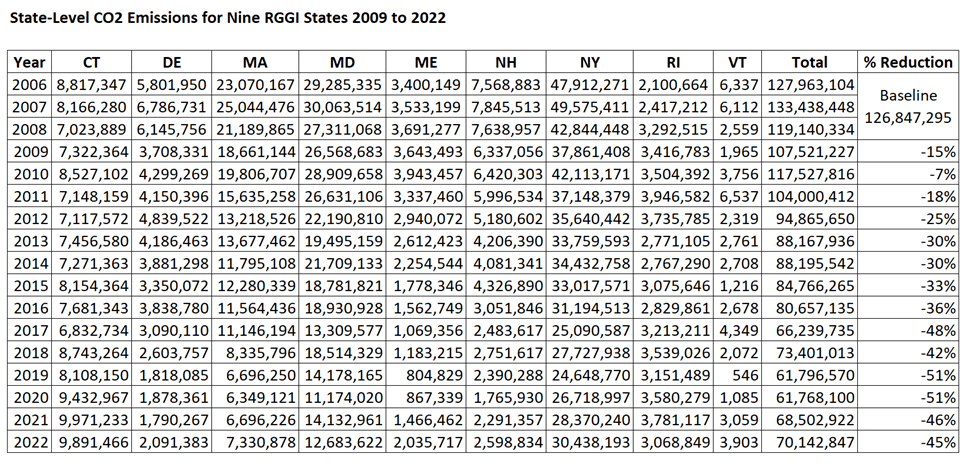
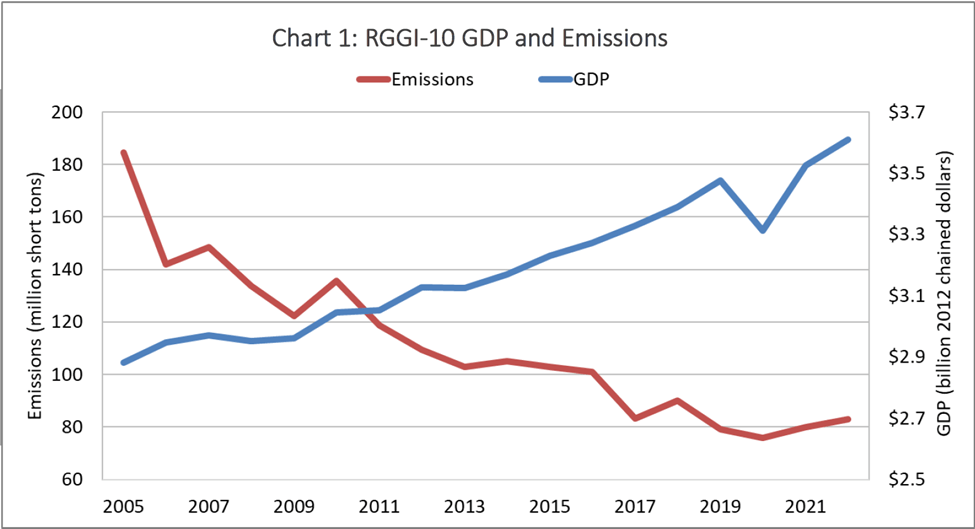
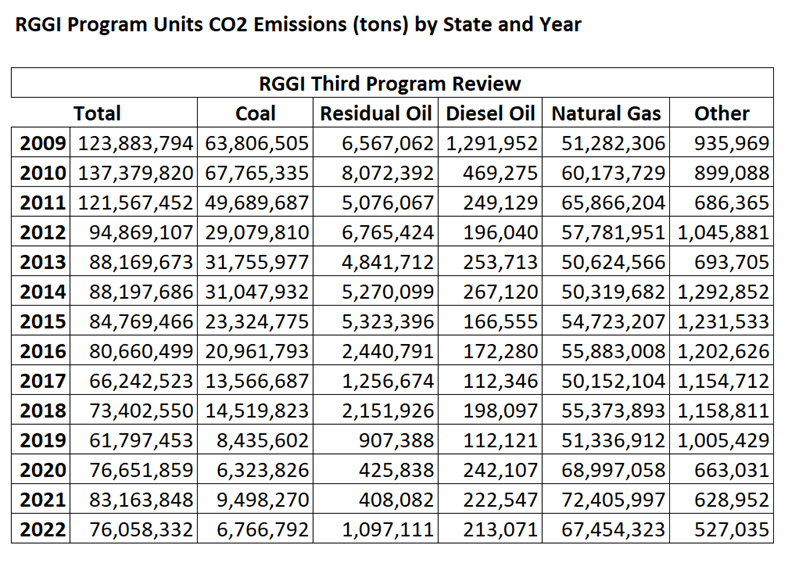
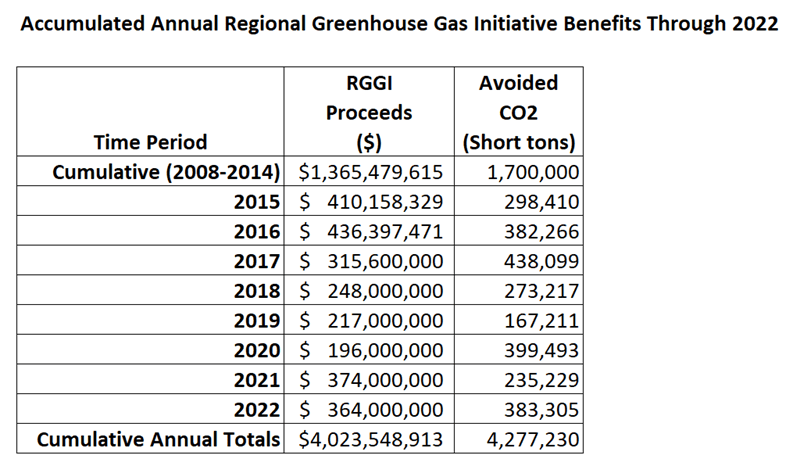
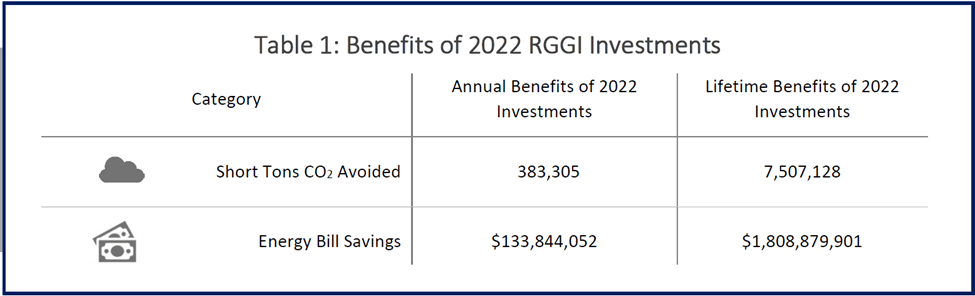
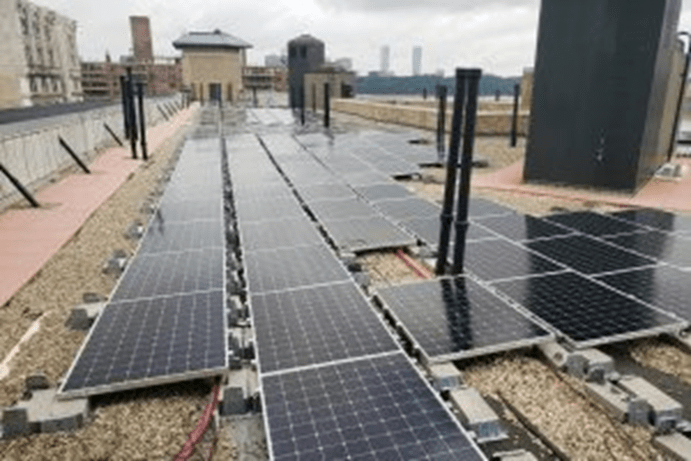
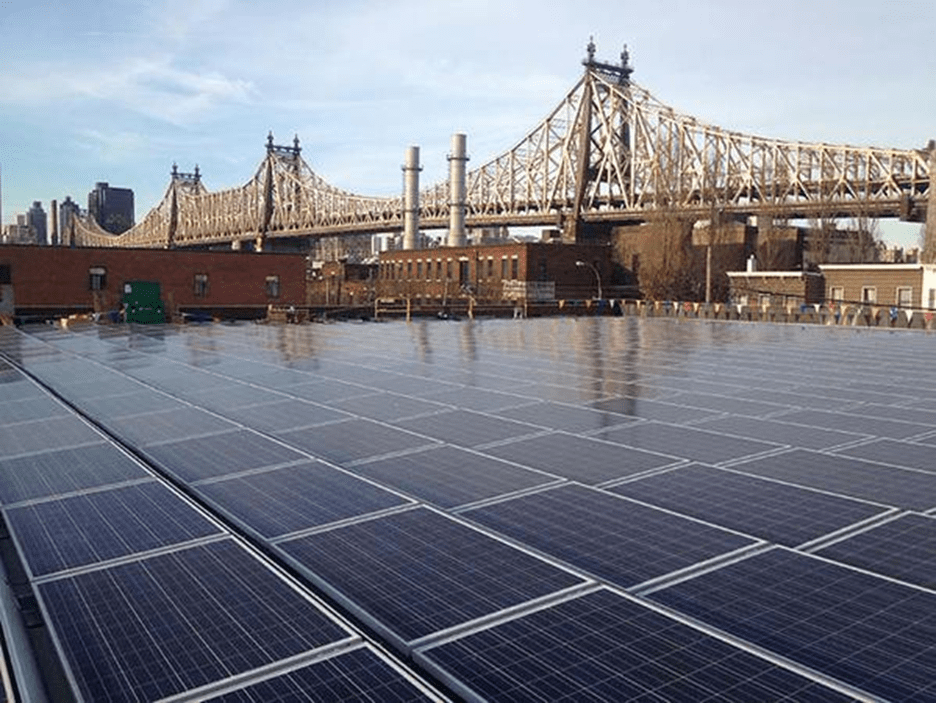
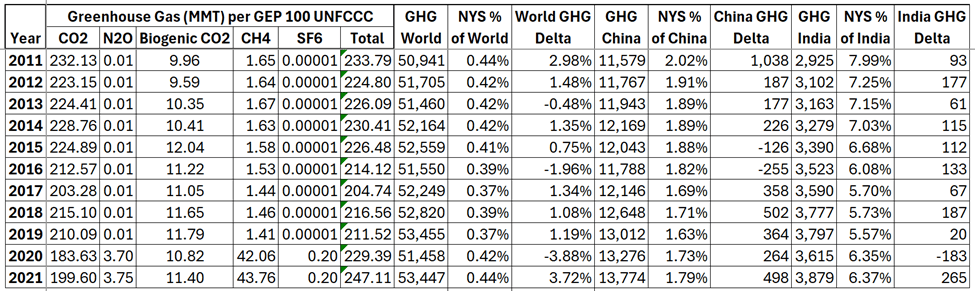
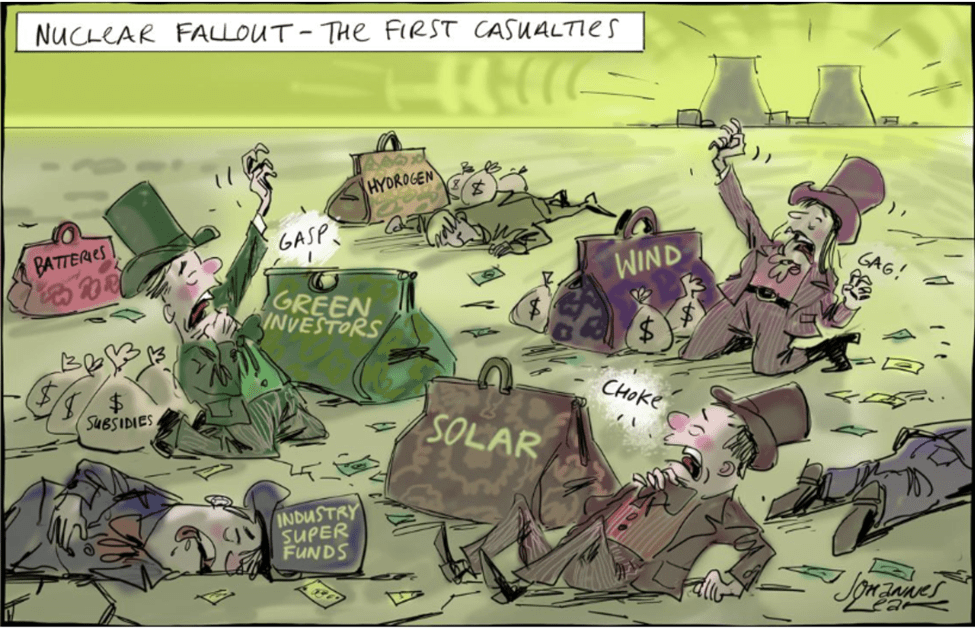


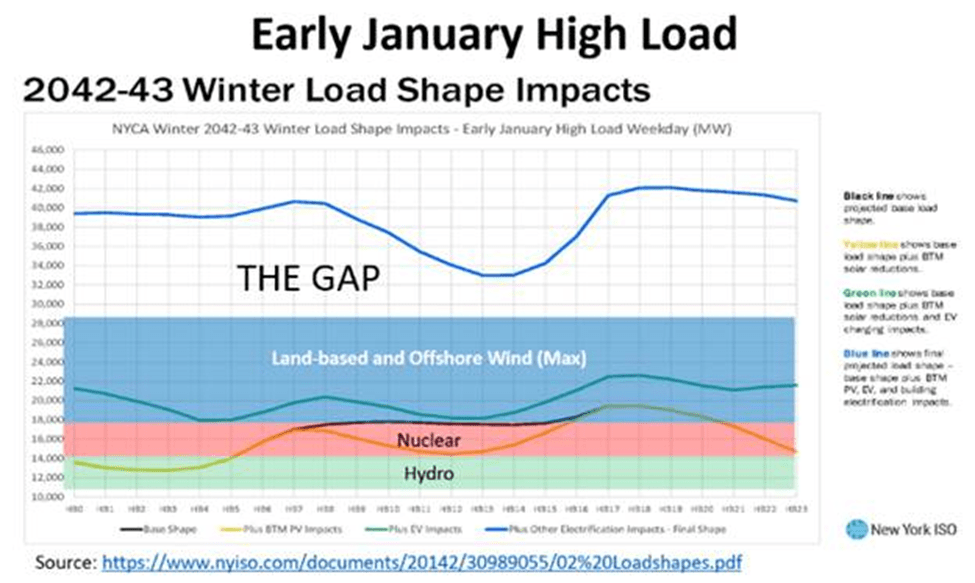
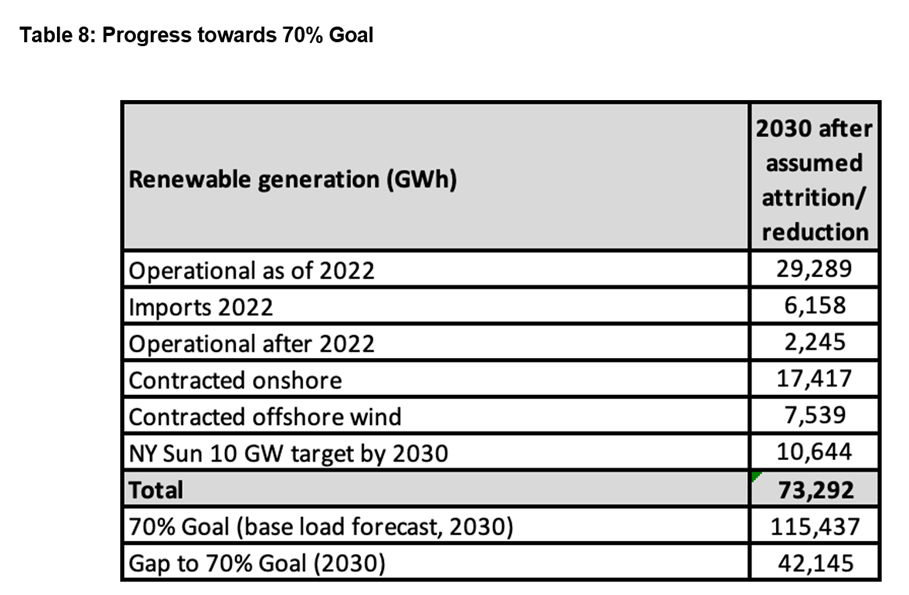

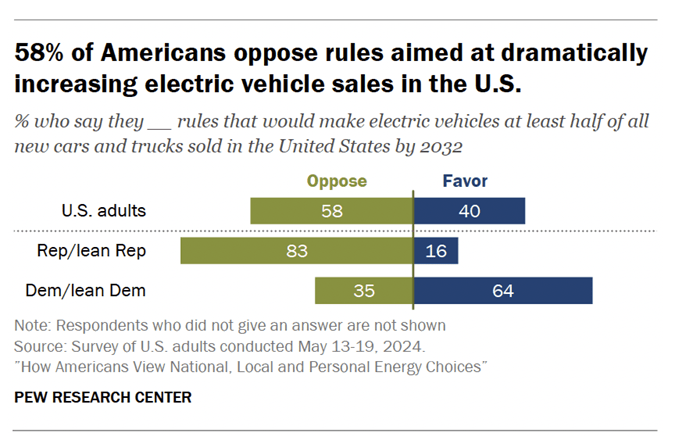

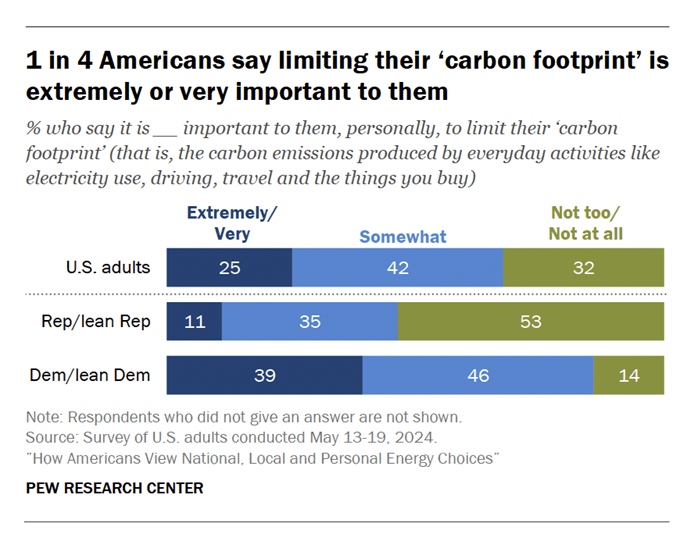


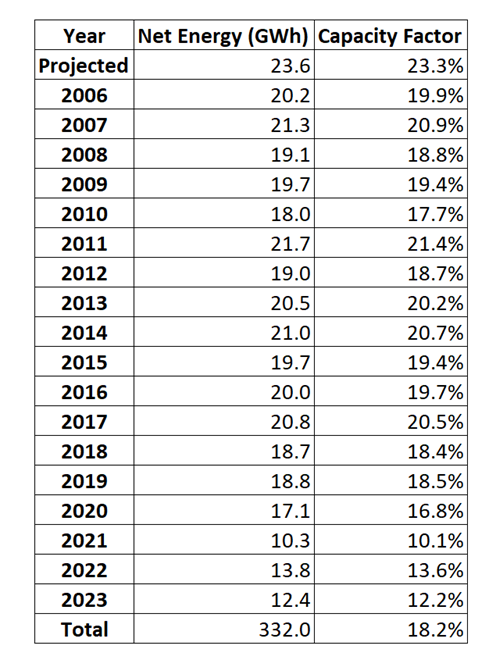
 Pragmatic Environmentalist of New York